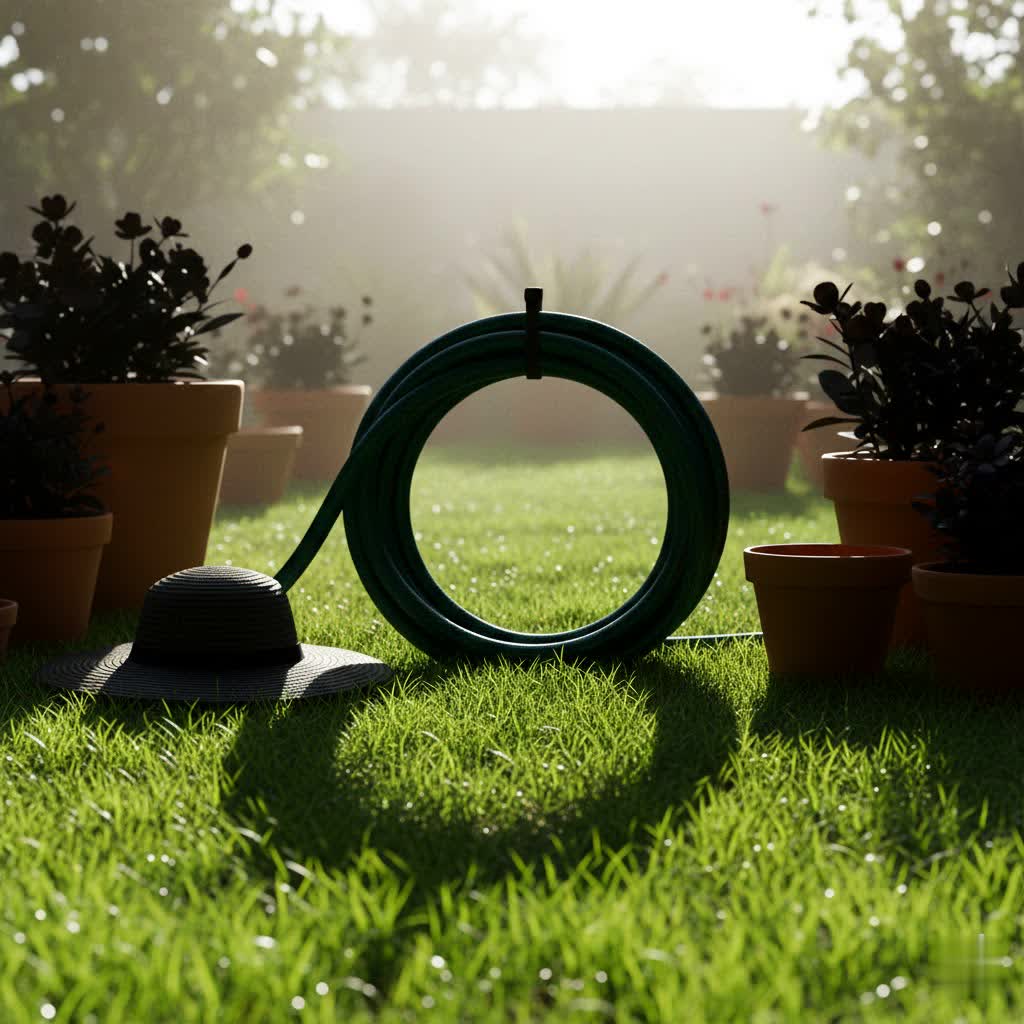
Are you tired of standing with a watering can, or perhaps concerned about water waste from sprinklers? Achieving a vibrant, thriving garden often comes down to efficient watering, and a soaker hose can be a game-changer. These ingenious tools deliver water directly to the plant roots, minimizing evaporation and ensuring every drop counts. However, with various types and considerations, choosing the right soaker hose for your garden can seem daunting. This comprehensive guide will equip you with all the knowledge needed to select, use, and maintain the perfect soaker hose system, transforming your garden into a lush oasis while conserving water.
Understanding Different Types of Soaker Hoses
Soaker hoses are designed to weep water along their entire length, providing a slow, steady soak. They come in several material types, each with distinct advantages and disadvantages. Knowing these differences is crucial for making an informed decision.
Recycled Rubber Soaker Hoses
Traditionally, many soaker hoses are crafted from recycled rubber. This makes them an environmentally friendly and often cost-effective choice. They tend to be heavy and flexible, making them easy to snake around plants and contours. However, recycled rubber can degrade over time, especially when continuously exposed to sunlight, leading to cracking or leaks. They can also be prone to uneven watering, with more water seeping out closer to the spigot.
Polyurethane Soaker Hoses
Polyurethane soaker hoses represent a premium option, known for their exceptional durability and flexibility. These hoses are typically lightweight and resistant to UV damage, kinks, and extreme temperatures, offering a longer lifespan. Many polyurethane options are also BPA-free, lead-free, and phthalate-free, making them safe for watering edible gardens. The higher initial cost is often offset by their extended longevity and reliable performance.
PVC Soaker Hoses (Flat and Round)
PVC soaker hoses are another common type, often reinforced for added strength. They are generally lighter and more affordable than rubber hoses. PVC hoses can be found in both traditional round and flat designs. Flat soaker hoses are particularly convenient for storage as they collapse when empty. While more resistant to degradation than basic rubber, some PVC hoses might stiffen in cold weather or become brittle over time if not adequately protected from the sun. Reinforced PVC can offer good pressure handling and improved durability.
Soaker Hose Comparison: A Quick Overview
To help you quickly compare the main types, here’s a detailed table outlining their key characteristics:
| Feature | Recycled Rubber | Polyurethane | PVC (Reinforced) |
|---|---|---|---|
| Material | Recycled rubber | High-grade polyurethane | Polyvinyl chloride (PVC) |
| Durability | Moderate (prone to degradation) | High (UV, kink, temp resistant) | Moderate to High (UV resistant if reinforced) |
| Price | Low to Moderate | High | Low to Moderate |
| Flexibility | Good | Excellent | Good (can stiffen in cold) |
| Weight | Heavy | Lightweight | Lightweight |
| Eco-Friendliness | Eco-friendly (recycled) | Often BPA/lead/phthalate-free | Varies by manufacturer |
| Common Issues | Degradation, uneven watering | Higher initial cost | Kinking, potential stiffening |
Your Buying Guide: Choosing the Right Soaker Hose
Selecting the best soaker hose for your garden involves considering several factors specific to your needs and landscape.
Determine Your Garden’s Layout and Size
|
Our Picks for the Best Garden Hose in 2026
As an Amazon Associate I earn from qualifying purchases.
|
||
| Num | Product | Action |
|---|---|---|
| 1 | Flexzilla Garden Hose 5/8 in. x 25 ft., Lightweight All-Weather Water Hose, Durable and Flexible, Leak-Free Connections |

|
| 2 | Flexi Hose Expandable Garden Hose with 8 Function Nozzle, 50FT - Lightweight Retractable Garden Hose, Water Hose - No-Kink Flexibility, 3/4 Inch Solid Brass Fittings and Double Latex Core |
|
| 3 | Amazon Basics - Garden Hose, 100ft |
|
| 4 | Nilight RV Water Hose 100FT Garden Drinking Hoses with Storage Bag Leakproof Anti-Kink 5/8" Inner Diameter Flexible Lightweight Freshwater Hose for RVs Campers Travel Trailer Boat Car Wash Accessories |
|
| 5 | Easy to Use Garden Hose 100 FT, Lightweight and Leak-Proof Heavy-Duty Flexible Water Hose 100FT with Reinforced TPE Core, 3/4" Solid Brass Fittings, Ultra-Flow Manguera Para Jardin, Built to Last |
|
| 6 | Flexzilla Garden Hose 5/8 in. x 50 ft., Lightweight All-Weather Water Hose, Durable and Flexible, Leak-Free Connections |
|
| 7 | Flexi Hose Expandable Garden Hose with 8 Function Nozzle, 50FT - Lightweight Retractable Garden Hose, Water Hose - No-Kink Flexibility, 3/4 Inch Solid Brass Fittings and Double Latex Core |
|
| 8 | Flexi Hose Expandable Garden Hose with 8 Function Nozzle, 100FT - Lightweight Retractable Garden Hose, Water Hose - No-Kink Flexibility, 3/4 Inch Solid Brass Fittings and Double Latex Core |
|
| 9 | YAMATIC 100FT 5/8" Garden Hose, 300 PSI Kink-Resistant Water Hose with 360° Swivel Connector & 3/4" Brass GHT Fittings, Flexible All-Weather Outdoor Hose for Yard, Lawn, Garden & Driveway |
|
| 10 | Flexzilla Garden Hose 5/8 in. x 100 ft., Lightweight All-Weather Water Hose, Durable and Flexible, Leak-Free Connections |
|
For small, level garden beds, raised beds, or closely spaced rows, soaker hoses are an excellent choice. If you have a large garden or areas with significant slopes, you might need a more advanced system or careful planning to ensure even water distribution. Soaker hoses perform best on level ground, as gravity can cause uneven weeping on inclines, leading to pooling at lower points and insufficient watering at higher ones.
Choose the Right Material
Your material choice impacts durability, flexibility, and cost. If you prioritize eco-friendliness and a lower upfront cost for temporary setups, recycled rubber might suffice. For a long-term investment in a durable, flexible, and safe watering solution, polyurethane is often superior. Reinforced PVC offers a good balance of affordability and resistance to environmental factors, especially if UV-protected.
Consider Length and Diameter
Match the length of your soaker hose to the area you need to water. While it’s tempting to connect multiple hoses for larger areas, connecting more than two soaker hoses can significantly reduce water pressure towards the end, rendering them ineffective. For very long runs, it’s better to run multiple shorter hoses from a splitter at your water source. Standard diameters are typically 1/2-inch or 5/8-inch, with larger diameters generally allowing for better flow over shorter distances.
Inspect Quality and Connectors
Look for hoses with sturdy, high-quality connectors, preferably made of brass or durable plastic. Weak or poorly fitted connectors are common points of leakage and frustration. A well-made soaker hose will have thick walls and even porosity to ensure consistent weeping along its entire length.
Environmental and Safety Factors
If you’re watering a vegetable garden or plants you plan to consume, look for soaker hoses explicitly labeled as “drinking water safe” or free from harmful chemicals like BPA, lead, and phthalates. Polyurethane hoses are often a good choice in this regard.
Top Soaker Hose Brands to Consider
While the ideal choice depends on your specific needs, several brands consistently receive high marks for quality and performance:
- Water Right: Renowned for their durable, lead-free polyurethane soaker hoses, offering excellent flexibility and longevity.
- Dramm ColorStorm: Offers high-quality rubber soaker hoses, often made with recycled materials and thicker walls to prevent the “geyser effect.”
- LINEX: Known for its flat soaker hoses, often made from reinforced PVC, balancing affordability with good performance and easy storage.
- Rocky Mountain Goods: Provides durable PVC soaker hoses, frequently featuring a nylon fabric cover for enhanced longevity and resistance to environmental wear.
- RAINPOINT: Offers flat soaker hoses praised for even water distribution and flexibility, especially useful in various garden layouts.
- Linchoc Home: A budget-friendly option often lauded for its ease of use and effective, even water seepage.
- Osmile: Known for manufacturing heavy-duty soaker hoses, often incorporating recycled materials and robust construction for consistent water delivery.
Masterful Usage and Maintenance Tips
Getting the most out of your soaker hose involves more than just laying it down and turning on the water. Proper usage and maintenance ensure efficiency and extend the life of your system.
- Strategic Placement: Lay your soaker hoses no closer than 24 inches apart in garden beds. For individual shrubs or trees, a single soaker hose snaked around the root zone is usually sufficient. Arrange the hose around the base of plants or along rows, ensuring it’s close enough for water to reach the roots.
- Optimal Water Pressure: The most common mistake is using too much water pressure. Soaker hoses are designed for a slow seep. Turn your faucet on only partially, perhaps a quarter turn, allowing water to slowly weep out. High pressure can damage the hose and lead to uneven watering or “geysers.”
- Determine the Right Run Time: Test how long to run your soaker hose by digging down about 45 minutes after starting it. The soil should be moist at least four inches deep. Adjust your run time based on your soil type and weather conditions. Clay soils absorb water slower but retain it longer, while sandy soils drain quickly.
- Protect and Preserve: Cover your soaker hose with 2-3 inches of light mulch. This protects the hose from harmful UV rays, reduces evaporation, and helps the water penetrate deeper into the soil. Unless a hose is specifically designed for it, avoid burying soaker hoses in soil, as this can clog the pores. When not in use, especially during off-seasons, drain the hose and store it in a garage or shed to prolong its life.
- Regular Inspection: Periodically check your soaker hoses for clogs or damage. While less prone to clogging than drip emitters, debris can sometimes block the pores.
“Many gardeners overestimate the water pressure needed for soaker hoses. A gentle, consistent weep is far more effective and water-saving than a forceful spray, allowing water to truly penetrate the root zone.” – Garden Style San Antonio, Water Conservation Expert
Troubleshooting Common Soaker Hose Issues
Even with the best preparation, you might encounter issues. Here’s how to address common soaker hose problems:
- Uneven Watering: If you notice some areas are wetter than others, especially on a slight incline, your soaker hose might not be suitable for the terrain. For sloped gardens, drip irrigation systems with pressure-compensating emitters are often a more effective solution. Also, check for kinks or blockages that could impede water flow.
- Leaks or Cracks: Over time, particularly with recycled rubber hoses exposed to sunlight, degradation can lead to leaks or small “fountains.” While some minor leaks might be patched, severe damage usually means it’s time for a replacement. Protecting your hose with mulch is key to preventing this.
- Kinks: If your hose frequently kinks, consider a double-walled soaker hose, which offers better kink resistance. Proper coiling and storage can also help prevent kinking.
- High Water Bills: This is almost always due to running the soaker hose at full pressure for too long. Reduce the water flow from the spigot and adjust your run time based on soil penetration tests.
Conclusion
A soaker hose is an invaluable tool for any gardener aiming for efficient and effective watering. By delivering water slowly and directly to the roots, it promotes healthier plant growth, reduces water waste, and saves you time and effort. When selecting your soaker hose, prioritize factors like material durability, appropriate length for your garden’s layout, and reliable connectors. Remember the simple but crucial tips for proper usage and maintenance – particularly regulating water pressure and protecting the hose from the elements.
Choosing the right soaker hose means investing in your garden’s future and contributing to water conservation. Make an informed decision based on the information provided, and you’ll be well on your way to a flourishing garden with minimal fuss.
What watering challenges have you faced in your garden, and how might a soaker hose system help you overcome them?
Frequently Asked Questions
How long should I run a soaker hose?
The ideal run time for a soaker hose depends on your soil type and climate. A good starting point is 45 minutes, then check if the water has penetrated at least four inches deep by digging a small hole. Adjust the time as needed to achieve this depth without overwatering.
Can soaker hoses be used on slopes?
Soaker hoses are most effective on level ground. On slopes, water tends to pool at the lowest points, leading to uneven watering. For gardens with significant inclines, a drip irrigation system with pressure-compensating emitters is typically a better choice for uniform water distribution.
How do I prevent soaker hoses from clogging?
Soaker hoses are less prone to clogging than drip irrigation emitters due to their porous design. However, if you’re using a rain barrel or well water, a simple inline filter can help prevent sediment from entering and potentially blocking the hose’s pores.
What is the ideal water pressure for a soaker hose?
The ideal water pressure for a soaker hose is low. You should only turn your faucet on partially, typically a quarter turn, to allow the water to slowly weep out. High pressure can cause the hose to spray rather than seep, leading to uneven watering and potential damage.
Can I bury a soaker hose?
Generally, it’s recommended to cover soaker hoses with 2-3 inches of mulch rather than burying them directly in soil. Burying them can lead to clogging of the pores and make it difficult to monitor performance or locate leaks. Only bury a soaker hose if it is specifically designed by the manufacturer for subsurface installation.
Get our weekly buyer guide
Practical specs, not advice. Unsubscribe anytime.
