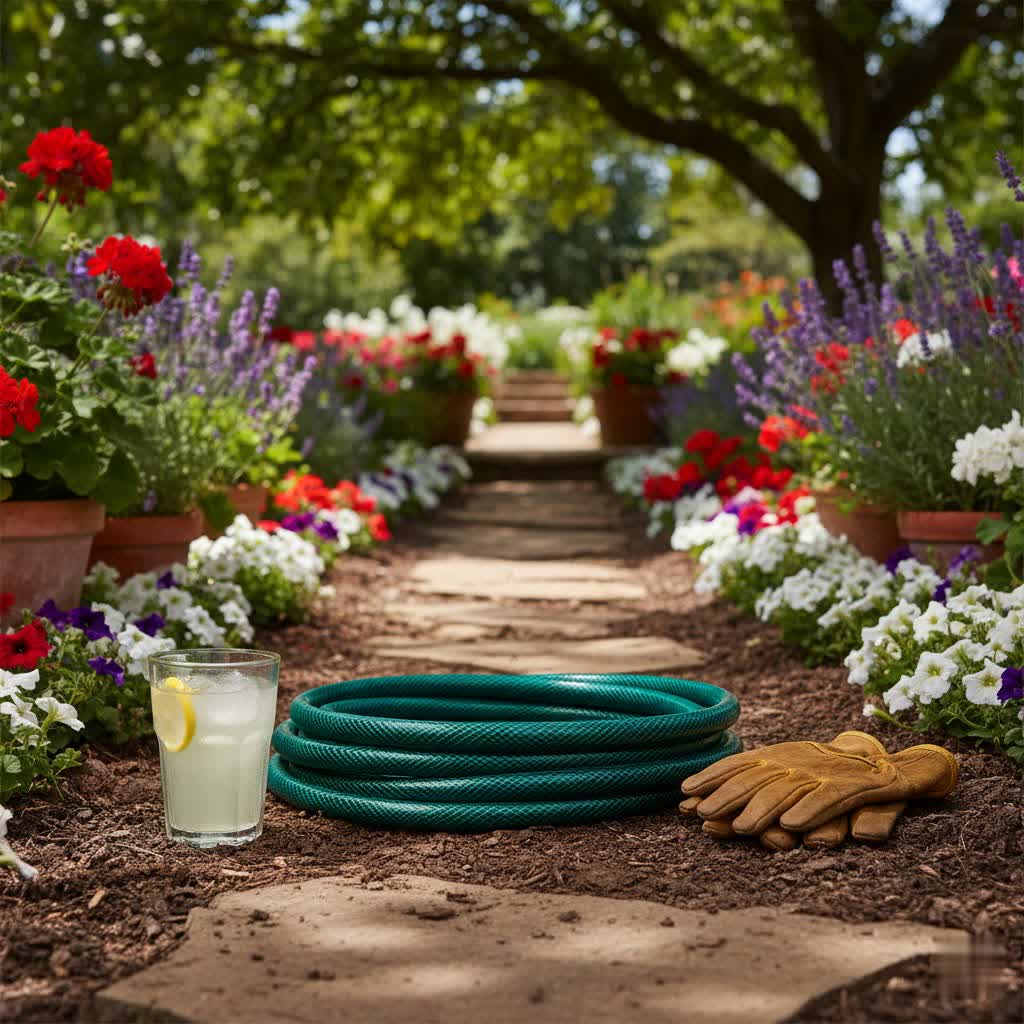
Watering your garden shouldn’t be a struggle, yet many of us find ourselves wrestling with a tangled, leaky, or flimsy garden hose. The right garden hose is a crucial tool for any gardener, turning a chore into a simple, efficient task. While the market is flooded with various materials and designs, the classic rubber garden hose often stands out as a robust and reliable option. This guide will examine everything you need to know about rubber garden hoses, from their unique advantages and potential drawbacks to choosing the best one for your needs and keeping it in top condition.
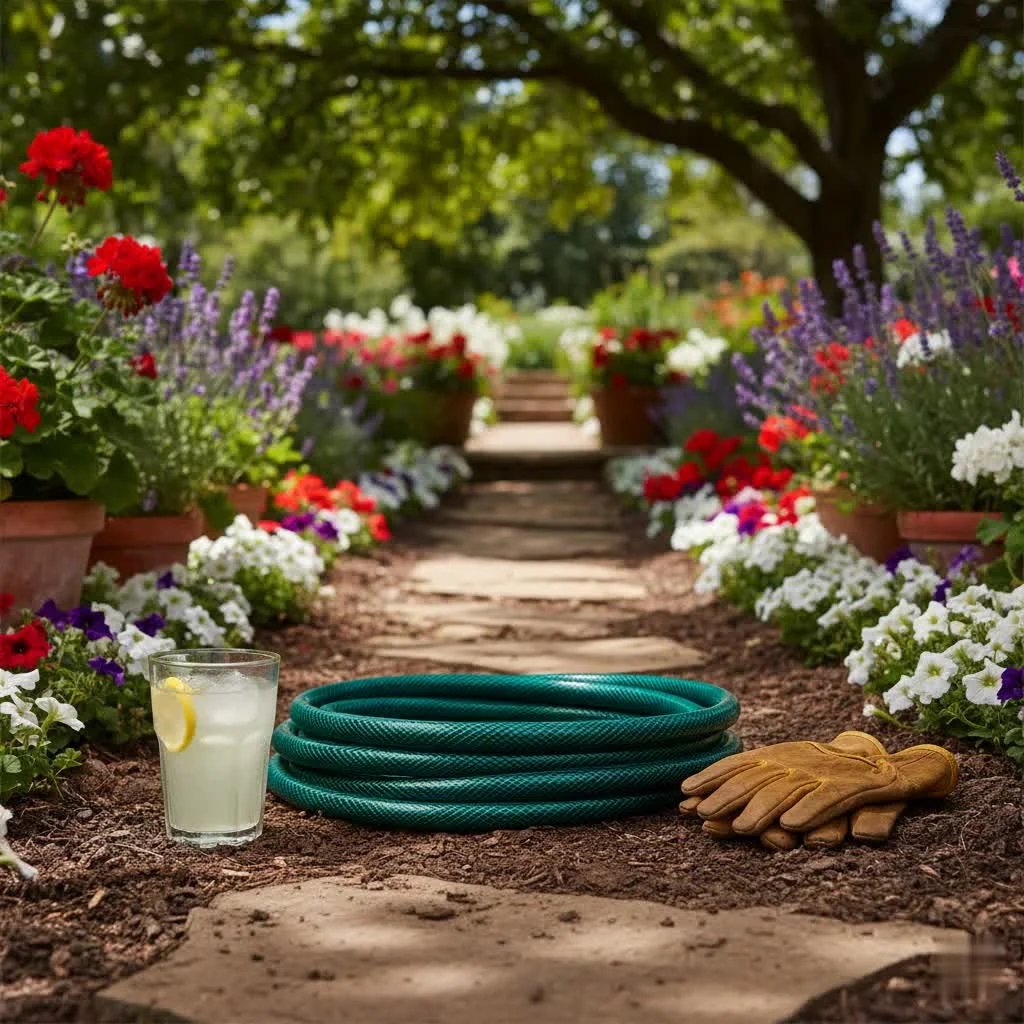
Understanding Different Types of Garden Hoses
Before diving deep into rubber hoses, it’s helpful to understand the landscape of garden hose materials. Each type offers a different balance of performance, durability, and cost, making the choice dependent on your specific gardening requirements. For explore our garden hose reviews on this site.
Rubber Garden Hoses
Rubber hoses are the traditional workhorses of the gardening world, known for their exceptional durability and robust performance. They are constructed from natural or synthetic rubber, often reinforced for added strength.
- Advantages: Rubber hoses are incredibly long-lasting, resistant to extreme temperatures (both hot and cold), and highly durable against abrasions, punctures, and UV damage. They typically handle high water pressure without issue and offer excellent water flow. While they can kink, these kinks often don’t damage the hose internally, allowing for continued use.
- Disadvantages: The primary drawbacks are their weight, which can make them harder to maneuver and coil, and a higher initial cost compared to other materials. They can also sometimes develop a “kink memory,” repeatedly kinking in the same spots, and may leave black marks on surfaces if dragged.
PVC (Polyvinyl Chloride) Garden Hoses
PVC hoses are a common alternative, often favored for their affordability and lightweight nature.
- Advantages: They are generally inexpensive and lighter than rubber hoses, making them easier to move for light-duty tasks.
- Disadvantages: PVC hoses are less durable, tend to become stiff and brittle in cold weather, and can degrade when exposed to UV light, leading to cracks and leaks over time. They are also highly prone to kinking and generally handle lower water pressure.
Expandable Hoses
These hoses are designed to expand significantly when filled with water and contract for compact storage when empty.
- Advantages: Expandable hoses are exceptionally lightweight and take up very little space, making storage incredibly convenient.
- Disadvantages: Their primary weakness is durability. They are prone to tearing and punctures, especially when snagged on sharp objects or dragged through dense foliage. They are generally not suited for heavy-duty tasks or high water pressure.
Polyurethane Garden Hoses
|
Our Picks for the Best Garden Hose in 2026
As an Amazon Associate I earn from qualifying purchases.
|
||
| Num | Product | Action |
|---|---|---|
| 1 | Amazon Basics - Garden Hose, 100ft |

|
| 2 | Flexi Hose Expandable Garden Hose with 8 Function Nozzle, 50FT - Lightweight Retractable Garden Hose, Water Hose - No-Kink Flexibility, 3/4 Inch Solid Brass Fittings and Double Latex Core |
|
| 3 | YAMATIC 100FT 5/8" Garden Hose, 300 PSI Kink-Resistant Water Hose with 360° Swivel Connector & 3/4" Brass GHT Fittings, Flexible All-Weather Outdoor Hose for Yard, Lawn, Garden & Driveway |
|
| 4 | Flexzilla Garden Hose 5/8 in. x 25 ft., Lightweight All-Weather Water Hose, Durable and Flexible, Leak-Free Connections |
|
| 5 | Flexzilla Garden Hose 5/8 in. x 50 ft., Lightweight All-Weather Water Hose, Durable and Flexible, Leak-Free Connections |
|
| 6 | Nilight RV Water Hose 100FT Garden Drinking Hoses with Storage Bag Leakproof Anti-Kink 5/8" Inner Diameter Flexible Lightweight Freshwater Hose for RVs Campers Travel Trailer Boat Car Wash Accessories |
|
| 7 | Easy to Use Garden Hose 100 FT, Lightweight and Leak-Proof Heavy-Duty Flexible Water Hose 100FT with Reinforced TPE Core, 3/4" Solid Brass Fittings, Ultra-Flow Manguera Para Jardin, Built to Last |
|
| 8 | Flexi Hose Expandable Garden Hose with 8 Function Nozzle, 100FT - Lightweight Retractable Garden Hose, Water Hose - No-Kink Flexibility, 3/4 Inch Solid Brass Fittings and Double Latex Core |
|
| 9 | Flexi Hose Expandable Garden Hose with 8 Function Nozzle, 50FT - Lightweight Retractable Garden Hose, Water Hose - No-Kink Flexibility, 3/4 Inch Solid Brass Fittings and Double Latex Core |
|
| 10 | Flexzilla Garden Hose 5/8 in. x 100 ft., Lightweight All-Weather Water Hose, Durable and Flexible, Leak-Free Connections |
|
Polyurethane hoses represent a modern alternative, often positioned as a premium lightweight option.
- Advantages: They are lighter than rubber, highly durable with a tough outer cover, and resistant to kinking due to their “springy” nature, often flipping out of kinks rather than collapsing. They maintain flexibility in cold temperatures, are non-marking, and many are drinking water safe.
- Disadvantages: While lighter than rubber, longer lengths often require a hose reel for practical use. They may not coil as uniformly as rubber hoses, and can be more expensive than PVC.
Comparative Overview of Garden Hose Types
Choosing the right hose material involves weighing various factors. This table provides a quick comparison to help you understand where rubber hoses stand against common alternatives.
| Feature | Rubber Hose | PVC Hose | Expandable Hose | Polyurethane Hose |
|---|---|---|---|---|
| Material | Natural/Synthetic Rubber | Polyvinyl Chloride (PVC) | Latex/Rubber core, fabric exterior | Polyurethane |
| Durability | Excellent | Moderate | Low | Very Good |
| Price | High | Low | Moderate | High |
| Weight | Heavy | Lightweight | Very Lightweight | Lightweight |
| Flexibility | Good (all temperatures) | Good (warm), Stiff (cold) | Excellent (when filled) | Excellent (all temps) |
| Kink Resistance | Moderate (kinks don’t damage) | Low (prone to kinks) | High (when pressurized) | Excellent |
| Pressure Handling | High | Low to Moderate | Moderate | High |
| UV/Weather Resist. | Excellent | Poor | Moderate | Very Good |
| Storage | Bulky | Moderate | Compact | Compact |
How to Choose the Perfect Rubber Garden Hose
Selecting the right rubber garden hose involves considering several key factors to ensure it meets your specific gardening needs and provides lasting performance.
1. Determine Your Usage Needs
Start by thinking about how you’ll use the hose. Do you have a large garden requiring extensive reach, or a small patio for occasional watering? Will it be for heavy-duty tasks like power washing or just gentle plant irrigation? Your primary use dictates the necessary length, diameter, and overall robustness.
2. Prioritize Quality Materials and Construction
While all are “rubber,” the quality can vary. Look for hoses made from high-grade, virgin rubber rather than recycled materials, as these typically offer better durability and flexibility. Reinforcement layers within the hose also contribute significantly to burst strength and kink resistance.
- Fittings: Heavy-duty, crush-resistant brass fittings are superior to plastic or aluminum ones. Brass provides a secure, leak-proof connection and withstands wear and tear much better over time.
- Inner Diameter (ID): Common sizes are 1/2-inch, 5/8-inch, and 3/4-inch. A larger inner diameter (like 5/8-inch or 3/4-inch) provides greater water flow, which is beneficial for faster watering or high-volume tasks. A 1/2-inch hose might be sufficient for smaller gardens or lighter use.
3. Choose the Right Length and Diameter
The hose length should be adequate to reach all areas of your garden without having to stretch or drag it excessively, but avoid buying a hose that is too long, as excess length means unnecessary weight and storage hassle. Match the inner diameter to your water pressure and flow requirements; a larger diameter means more water delivered faster.
4. Consider Kink Resistance
One common complaint about traditional rubber hoses is kinking. While some modern rubber hoses are designed with advanced anti-kink technology, it’s still a factor to consider. Read reviews and look for hoses specifically advertised as “kink-resistant” or “heavy-duty” which often have thicker walls or better reinforcement.
5. Research Reputable Brands
Investing in a known brand often translates to better quality and reliable customer support. Brands frequently praised for their durable rubber hoses include Ag-Lite (BluBird), Craftsman, Briggs & Stratton, and Continental. These brands often offer good warranties, reflecting their confidence in product longevity.
Top Rubber Garden Hose Brands and Models
When it comes to selecting a high-quality rubber garden hose, certain brands consistently receive acclaim for their durability, performance, and innovative features. While specific models may vary, here are some of the most favored names in the market:
- Ag-Lite (BluBird) Rubber Garden Hose: Renowned for its heavy-duty construction and impressive flow rate. BluBird has managed to reduce the weight of their rubber hoses, making them more manageable without sacrificing their inherent strength. They are celebrated for remaining flexible across a wide temperature range and often come with substantial warranties.
- Craftsman Premium-Duty Rubber Hose: A popular choice for its solid performance and overall value. Craftsman hoses are often cited for their robust build and ability to withstand rigorous use, making them a staple for many gardeners.
- Briggs & Stratton Heavy-Duty Garden Hose: This brand is synonymous with power equipment, and their garden hoses reflect that same commitment to heavy-duty performance. Often featuring durable construction and resistance to extreme conditions, these hoses are built to last.
- Continental Rubber Hose: Known for manufacturing hoses with 100% premium reinforced rubber and crush-proof brass fittings. Continental hoses are recognized for their durability and made-in-USA quality in some lines, though they can be quite heavy.
- Gilmour Flexogen Super Duty Hose: While not exclusively rubber (it’s a hybrid), Gilmour is a long-standing brand known for producing very durable and kink-resistant hoses that many gardeners swear by for their longevity.
These brands often stand out in independent tests for their superior burst strength, flexibility in varied climates, and resistance to common wear and tear.
Essential Tips for Using and Maintaining Your Rubber Garden Hose
Proper care can significantly extend the life of your rubber garden hose, ensuring it remains a reliable tool for years to come.
- Avoid Direct Sunlight Exposure: While rubber hoses are UV resistant, prolonged exposure to intense sunlight can still degrade the material over time. Store your hose in a shaded area, a hose reel, or a decorative pot when not in use.
- Coil Neatly After Each Use: Prevent kinks and tangles by coiling your hose properly. A hose reel or a wall-mounted hanger is ideal for this. Avoid leaving it strewn across the yard, as this increases the risk of damage from being tripped over or driven on.
- Relieve Pressure: Always turn off the spigot and release any residual water pressure from the hose and nozzle after each use. This prevents stress on the hose walls and fittings, especially during temperature fluctuations.
- Clean Periodically: Over time, sediment and algae can build up inside the hose, affecting water flow. Flush your hose with clean water periodically, especially if you notice reduced pressure.
- Handle with Care: Avoid sharp bends, dragging the hose over rough surfaces excessively, or running over it with vehicles. Although durable, unnecessary strain can shorten its lifespan.
- Store Properly During Winter: In colder climates, drain your hose completely before winter and store it indoors in a shed or garage to prevent water from freezing inside, which can cause cracking and damage.
Common Rubber Hose Issues and Simple Solutions
Even the most durable rubber hoses can encounter problems. Knowing how to address them can save you from premature replacement.
1. Leaks at the Connection Point
This is often due to loose fittings or worn-out washers.
- Solution: First, ensure the hose is tightly screwed onto the spigot or nozzle. If the leak persists, replace the rubber washer inside the fitting. These are inexpensive and readily available at hardware stores.
2. Reduced Water Flow or Clogging
Mineral deposits or debris can accumulate inside the hose.
- Solution: Disconnect the hose from the spigot and nozzle. Turn on the water full blast to flush out any loose particles. For stubborn clogs, a long, flexible brush specifically designed for hose cleaning can be used, or a high-pressure nozzle might help dislodge debris.
3. Kinking and Retaining “Kink Memory”
While rubber hoses are tough, they can still kink. Some might even “” where they kinked.
- Solution: While you can’t erase kink memory completely, diligent coiling and proper storage can help. Consider investing in a high-quality hose reel that encourages a uniform wrap. When a kink forms, gently uncoil it rather than forcefully tugging, which can worsen the issue. For new purchases, look for hoses with robust reinforcement designed specifically to resist kinking.
Conclusion
Choosing the right garden hose is a foundational decision for any gardener, impacting everything from efficiency to enjoyment. While the market offers a diverse array of options, the rubber garden hose consistently proves its worth as a top contender due to its unparalleled durability, flexibility across temperatures, and resistance to the rigors of outdoor use. Although often a heavier and more significant initial investment, its longevity and robust performance make it a cost-effective and reliable choice in the long run. By understanding its benefits, comparing it with other types, and committing to simple care practices, you can ensure your rubber garden hose serves your garden faithfully for many seasons.
Ready to invest in a hose that will stand the test of time? What key feature will you prioritize in your next garden hose purchase?
Frequently Asked Questions
What is the ideal length for a rubber garden hose?
The ideal length depends on the size of your garden. Measure the furthest point you need to reach from your water source and add a few extra feet for maneuverability. Avoid hoses that are excessively long, as they add unnecessary weight and make storage more cumbersome.
Are all rubber garden hoses safe for drinking water?
Not all rubber garden hoses are drinking water safe. While the rubber itself might be inert, some hoses contain lead in their brass fittings or chemicals in the hose material that can leach into the water. Look for hoses specifically labeled “drinking water safe” or “lead-free” if you plan to use the water for consumption or pets.
How do I prevent my rubber hose from kinking?
While rubber hoses are prone to kinking, you can minimize it by choosing a quality hose with good reinforcement. Always uncoil the hose completely before turning on the water, avoid dragging it around sharp corners, and invest in a hose reel to ensure neat and consistent storage.
How should I store my rubber garden hose in winter?
To prevent damage from freezing temperatures, thoroughly drain all water from your rubber garden hose, coil it neatly, and store it indoors in a garage, shed, or basement. This protects the material from cracking and ensures its longevity.
Can I repair a leaky rubber garden hose?
Yes, minor leaks in a rubber garden hose can often be repaired. For small punctures or tears, hose repair kits containing clamps and mending sleeves are available. For leaks at fittings, often replacing the internal rubber washer is sufficient.
Get our weekly buyer guide
Practical specs, not advice. Unsubscribe anytime.
