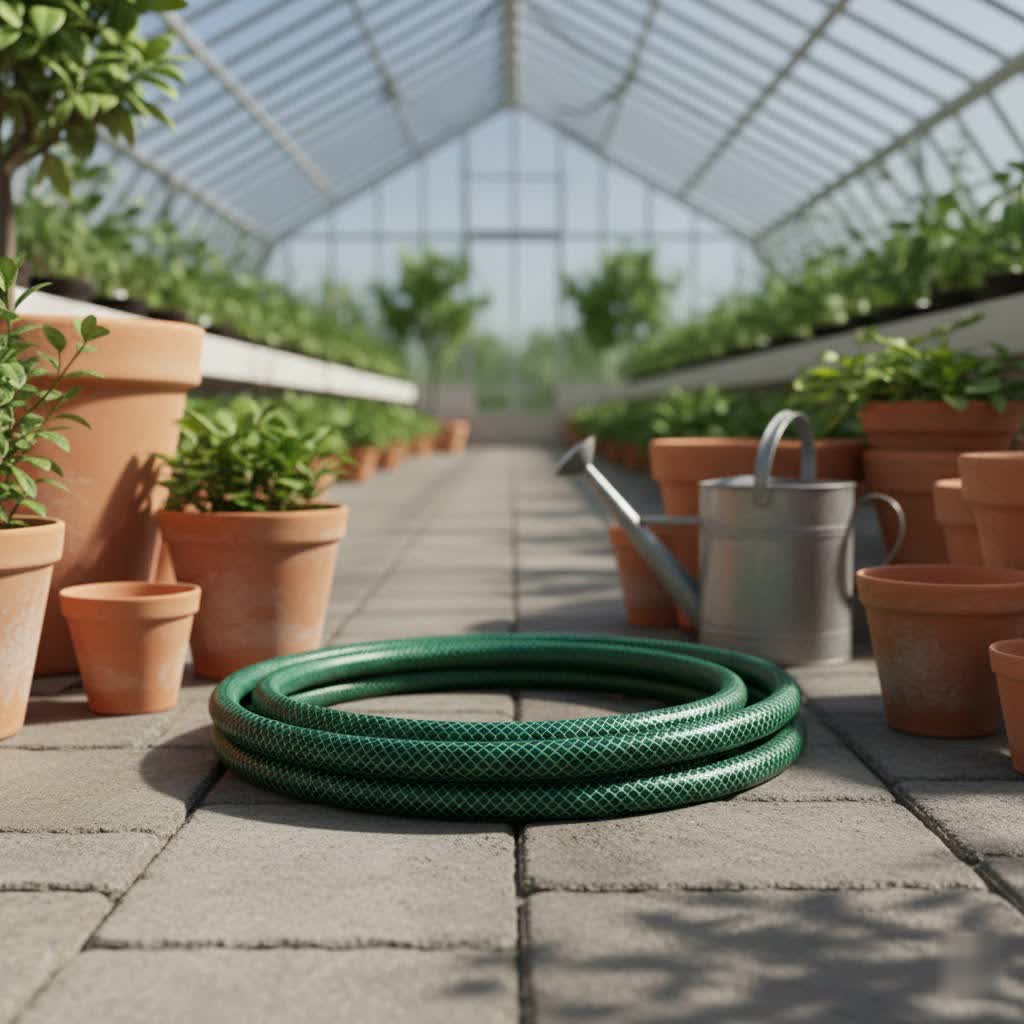
Are you tired of wrestling with a kinked, leaky, or heavy garden hose that turns a simple watering task into a frustrating chore? For many gardeners, finding the perfect garden hose can feel like a never-ending quest, marred by hoses that split, degrade in the sun, or become stiff and unmanageable. A high-quality garden hose is an indispensable tool, transforming routine watering into a pleasant and efficient experience, ensuring your plants thrive without the usual headaches. This guide examine everything you need to know, from materials and sizes to top brands and maintenance tips, empowering you to select the ideal hose that meets your garden’s unique needs and lasts for years to come.
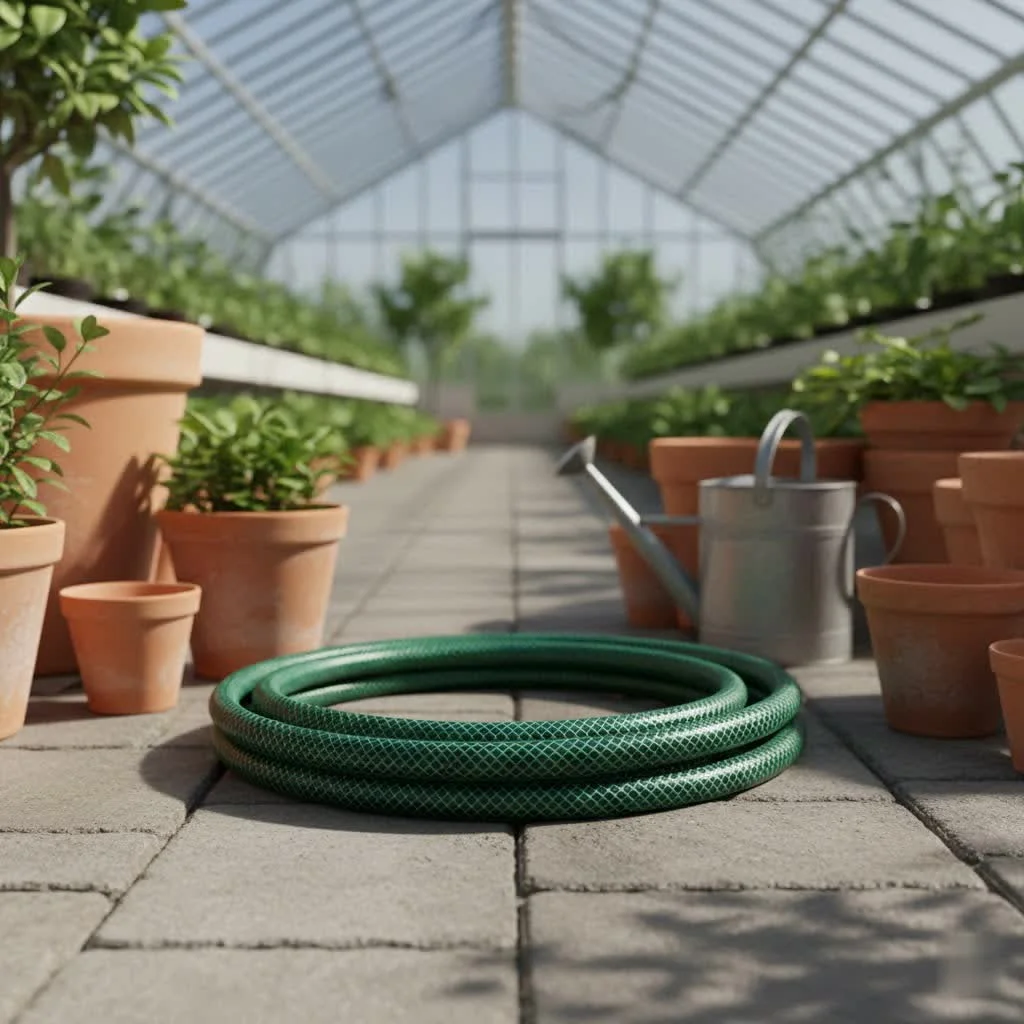
Popular Types of Garden Hoses
The market offers a diverse range of garden hoses, each with distinct characteristics that cater to different gardening styles and needs. Understanding these types is the first step toward making an informed choice.
Rubber Hoses
Rubber hoses are often considered the gold standard for durability and flexibility, resisting kinks and cracks even in extreme temperatures. They are robust and ideal for heavy-duty tasks and can withstand harsh outdoor conditions. However, their primary drawback is their weight and higher price point. Many professional landscapers favor rubber hoses for their longevity and reliable performance.
PVC (Vinyl) Hoses
Polyvinyl Chloride (PVC) hoses, commonly known as vinyl hoses, are typically the most affordable and lightweight option. While their initial cost is low, they are prone to kinking, cracking, and degradation when exposed to UV light and extreme temperatures, leading to a shorter lifespan compared to rubber or hybrid hoses. They are best suited for light-duty watering in small spaces or warm climates without freezing winters.
Expandable Hoses
Expandable hoses are a marvel of modern design, featuring a lightweight, flexible inner core covered by a fabric jacket. When filled with water, they expand significantly in length and diameter, then contract to a fraction of their size for compact storage when empty. They are exceptionally lightweight and easy to maneuver, making them excellent for small yards or those with limited storage. However, they can have inconsistent flow, a lower burst strength, and their durability varies greatly, with some being prone to punctures or leaks over time.
Flat Hoses
Similar to a fire hose, flat hoses lie completely flat when not pressurized, making them easy to coil and store compactly. They are lightweight and often used for soaker applications, delivering water directly to the plant roots. While space-saving, they tend to have weaker water pressure and can be less durable than traditional round hoses, potentially deteriorating and leaking if left out year-round.
Coil Hoses
|
Our Picks for the Best Garden Hose in 2026
As an Amazon Associate I earn from qualifying purchases.
|
||
| Num | Product | Action |
|---|---|---|
| 1 | Flexzilla Garden Hose 5/8 in. x 100 ft., Lightweight All-Weather Water Hose, Durable and Flexible, Leak-Free Connections |

|
| 2 | Flexi Hose Expandable Garden Hose with 8 Function Nozzle, 50FT - Lightweight Retractable Garden Hose, Water Hose - No-Kink Flexibility, 3/4 Inch Solid Brass Fittings and Double Latex Core |
|
| 3 | Amazon Basics - Garden Hose, 100ft |
|
| 4 | Flexi Hose Expandable Garden Hose with 8 Function Nozzle, 50FT - Lightweight Retractable Garden Hose, Water Hose - No-Kink Flexibility, 3/4 Inch Solid Brass Fittings and Double Latex Core |
|
| 5 | Easy to Use Garden Hose 100 FT, Lightweight and Leak-Proof Heavy-Duty Flexible Water Hose 100FT with Reinforced TPE Core, 3/4" Solid Brass Fittings, Ultra-Flow Manguera Para Jardin, Built to Last |
|
| 6 | Flexi Hose Expandable Garden Hose with 8 Function Nozzle, 100FT - Lightweight Retractable Garden Hose, Water Hose - No-Kink Flexibility, 3/4 Inch Solid Brass Fittings and Double Latex Core |
|
| 7 | YAMATIC 100FT 5/8" Garden Hose, 300 PSI Kink-Resistant Water Hose with 360° Swivel Connector & 3/4" Brass GHT Fittings, Flexible All-Weather Outdoor Hose for Yard, Lawn, Garden & Driveway |
|
| 8 | Nilight RV Water Hose 100FT Garden Drinking Hoses with Storage Bag Leakproof Anti-Kink 5/8" Inner Diameter Flexible Lightweight Freshwater Hose for RVs Campers Travel Trailer Boat Car Wash Accessories |
|
| 9 | Flexzilla Garden Hose 5/8 in. x 25 ft., Lightweight All-Weather Water Hose, Durable and Flexible, Leak-Free Connections |
|
| 10 | Flexzilla Garden Hose 5/8 in. x 50 ft., Lightweight All-Weather Water Hose, Durable and Flexible, Leak-Free Connections |
|
Coil hoses, or coiled hoses, are designed to retract into a tight coil when not in use, offering superior self-storage and portability. Made from polyurethane, they are lightweight and ideal for small watering tasks on patios, decks, or balconies where a long hose is unnecessary. While convenient, they might not stretch to their advertised length comfortably and can sometimes tangle or get caught on obstacles if pulled too far.
Hybrid Hoses
Hybrid hoses combine materials like rubber and PVC or polymer blends to offer a balance of flexibility, durability, and lighter weight. They often provide better kink resistance and remain supple in varying temperatures without the extreme heaviness of pure rubber hoses. Many top-rated hoses today are hybrid designs, aiming to mitigate the downsides of single-material hoses.
Stainless Steel Hoses
Stainless steel hoses feature a durable, lightweight stainless steel outer casing over a flexible inner hose. They are highly resistant to kinks, punctures, and often boast impressive burst strength. Their robust construction makes them very durable, but they can be less flexible than rubber or hybrid options and may require caution around delicate surfaces like car paint to avoid scratching.
Comparative Overview of Garden Hose Types
Choosing the right garden hose means balancing various factors. This table offers a concise comparison of common hose types to help you weigh their pros and cons.
| Hose Type | Material | Durability | Kink Resistance | Weight | Price Range | Key Advantages | Key Disadvantages |
|---|---|---|---|---|---|---|---|
| Rubber | EPDM Rubber | High | Excellent | Heavy | High | Extremely durable, flexible, wide temperature range | Heavy, expensive |
| PVC (Vinyl) | Polyvinyl Chloride | Low-Medium | Poor | Light | Low | Inexpensive, lightweight | Prone to kinks, cracks, UV damage, short lifespan |
| Expandable | Latex/Fabric | Medium | Excellent | Very Light | Medium | Compact storage, lightweight, easy to maneuver | Variable durability, inconsistent flow, prone to punctures |
| Flat | PVC/Polyester | Medium | Good | Light | Low-Medium | Easy to store, good for soaking | Weaker pressure, not multipurpose, can deteriorate |
| Coil | Polyurethane | Medium-High | Excellent | Light | Medium | Self-storing, lightweight, good for small areas | Limited reach, can tangle, less versatile |
| Hybrid | Rubber/Polymer Blends | High | Good-Excellent | Medium | Medium-High | Balance of durability, flexibility, and weight | Can still kink under certain conditions |
| Stainless Steel | Stainless Steel/Latex | High | Excellent | Medium | Medium-High | Puncture-resistant, durable, kink-free | Less flexible, potential to scratch surfaces |
Guiding Your Garden Hose Purchase
Selecting the “best” garden hose isn’t about finding a single universal product, but rather the perfect match for your specific gardening context. Consider these factors to guide your decision.
Assess Your Usage Needs
Start by determining how you’ll primarily use the hose. Do you need a heavy-duty option for pressure washing or a robust choice for a large yard and frequent use? Or perhaps a lightweight, compact hose for occasional watering of potted plants on a patio? The area of your garden, the types of plants you water, and whether the hose will be moved often all influence the ideal choice. For instance, a soaker hose is excellent for vegetable rows or delicate plants that prefer root watering, while a standard spray hose is versatile for general use.
Material Matters for Longevity and Performance
The material profoundly impacts a hose’s durability, flexibility, and weight. Rubber hoses offer superior durability and kink resistance but are heavy. Vinyl or PVC hoses are lightweight and inexpensive but less durable and prone to kinking. Hybrid polymer hoses strike a good balance, offering flexibility and durability without excessive weight. Polyurethane is often used in lighter, more flexible, and drinking-water-safe hoses, while stainless steel provides exceptional puncture resistance.
Optimal Size: Diameter and Length
The diameter of a garden hose affects water flow. Standard residential hoses are typically 5/8-inch, offering a good balance of flow and manageability. Larger 3/4-inch hoses deliver more water faster, suitable for high-pressure tasks or large properties, but are heavier. Smaller 1/2-inch or 7/16-inch hoses are lighter and easier to maneuver, ideal for small gardens where high flow isn’t critical.
Length is crucial for reach without unnecessary bulk. Measure the distance from your spigot to the farthest point you need to water. Excessively long hoses reduce water pressure and are harder to manage and store. While 50 feet is a popular standard for most suburban yards, longer options up to 100 feet are available. Consider connecting shorter hoses with quick-connect fittings for flexibility, allowing you to replace only a section if a leak occurs.
Inspect for Quality Components
Beyond the hose material itself, examine the fittings (couplings). High-quality fittings are typically made of brass (machined or cast for superior durability) or anodized aluminum, which are more weather-resistant and crush-proof than plastic alternatives. Hexagonal-shaped fittings are easier to grip and tighten, and can be used with a wrench if they become stuck. Look for sturdy strain-relief collars near the fittings to prevent kinks and tears at these vulnerable points. If you or your pets drink from the hose, ensure it’s labeled “drinking water safe” and NSF/FDA certified to be free of lead, BPA, and phthalates.
Reputable Brands for Trustworthy Performance
Investing in a well-regarded brand often translates to better quality and longer-lasting performance. Brands like Flexilla are renowned for their kink-free hybrid polymer hoses. Dramm offers durable rubber hoses, while Water Right is known for its lightweight polyurethane options. Craftsman provides heavy-duty rubber hoses, and Bionic Steel specializes in robust stainless steel designs. Other popular and reliable brands include Hoselink (for retractable systems), Melnor (for soaker hoses), Gilmour, DeWalt, and Stanley Fatmax.
“The difference a quality hose makes is immense. It’s not just about durability; it’s about making your gardening tasks genuinely enjoyable.” – Kelly Smith Trimble, Master Gardener and Editorial Director at HGTV.com
Top Brands of Garden Hoses to Consider
Many manufacturers excel in producing garden hoses that stand up to the demands of various watering tasks. Here are some of the most highly-rated and widely used brands:
- Flexilla: Praised for its proprietary hybrid polymer material, Flexilla hoses are exceptionally flexible, lightweight, and renowned for being nearly kink-free. They are a popular choice for most gardeners due to their ease of use and durability.
- Dramm: Known for its robust and colorful rubber hoses, Dramm offers excellent durability and resistance to kinking. These heavy-duty hoses are often a favorite among those seeking a long-lasting workhorse for rugged chores.
- Water Right: Specializing in lightweight polyurethane hoses, Water Right products are flexible, kink-resistant, and often drinking water safe, making them ideal for smaller gardens or those prioritizing health and ease of handling.
- Craftsman: This brand is recognized for its heavy-duty rubber hoses, designed to withstand tough conditions, making them a strong contender for demanding applications like car washing or pressure washing.
- Bionic Steel: For ultimate durability and kink resistance, Bionic Steel offers hoses with stainless steel casings, protecting the inner hose from punctures and damage.
- Giraffe Tools: Offers hybrid hoses with excellent flexibility and durability, often featuring corrosion-resistant fittings and retractable hose reel systems for convenient storage.
- DeWalt and Stanley Fatmax: These brands, typically associated with power tools, also produce professional-grade hybrid garden hoses known for high flow rates, durability, and robust fittings, catering to users who need a powerful and reliable watering tool.
Essential Tips for Using and Maintaining Your Garden Hose
Proper care and maintenance can significantly extend the life of your garden hose, preventing common issues and ensuring it remains a reliable tool season after season.
- Avoid Direct Sunlight Exposure: Prolonged exposure to UV rays can degrade hose materials, leading to brittleness, cracking, and a shorter lifespan. Store your hose in a shaded area, a hose reel, or a decorative pot when not in use.
- Coil Neatly After Each Use: Kinks are a primary cause of hose damage. Always coil your hose properly after use, ideally on a hose reel or hanger, to prevent twists and tight bends that can lead to pinch points and eventual leaks.
- Release Pressure: Before storing, turn off the spigot and release any remaining water pressure by opening the nozzle. This prevents unnecessary strain on the hose and fittings, especially during temperature fluctuations.
- Clean Periodically: Over time, sediment and algae can build up inside the hose, affecting water quality and flow. Flush your hose regularly, especially if using it for potable water, and consider using a hose cleaning attachment if needed.
- Use Correct Water Pressure: Operating a hose beyond its recommended burst strength can lead to ruptures. Ensure your water pressure is within the hose’s limits.
- Winterize in Cold Climates: If you live in an area with freezing temperatures, it’s crucial to winterize your hose. Disconnect it from the spigot, drain all water by holding one end overhead as you coil it, and store it indoors or in a sheltered area to prevent ice expansion from damaging the hose and fittings.
Common Garden Hose Problems and Practical Solutions
Even the best garden hoses can encounter issues over time. Knowing how to diagnose and fix common problems can save you money and extend your hose’s usability.
- Hose Kinking: This is arguably the most frustrating problem.
- Solution: Invest in a kink-resistant hose made from hybrid polymers or rubber. Always coil the hose correctly on a reel or hanger, and avoid dragging it across sharp corners. If a kink forms, gently straighten it rather than forcing it, which can cause damage.
- Leaks and Drips: Leaks often occur at the fittings or due to small punctures in the hose body.
- Solution for Fittings: Check the washers (gaskets) inside the couplings; they can wear out or become dislodged. Replacing a washer is a quick and inexpensive fix. Ensure fittings are tightly secured. For persistent leaks, the fitting itself might be damaged and can often be replaced with a universal repair kit.
- Solution for Hose Body: Small punctures can sometimes be repaired using hose mending kits, which involve cutting out the damaged section and inserting a repair coupling. For large tears, replacing the hose might be more practical.
- Low Water Pressure/Blockages: Reduced flow can be caused by kinks, a partially closed spigot, or internal blockages.
- Solution: First, ensure the spigot is fully open and there are no visible kinks. Disconnect any nozzles or accessories to check if they are the source of the blockage. Flush the hose with high pressure to dislodge any debris. If the problem persists, it might indicate a more severe internal obstruction or a problem with your water supply.
- Hose Bursting: This typically happens with older, weaker hoses or those subjected to excessive water pressure.
- Solution: Preventative measures are key. Choose a hose with a high burst strength, especially if you plan to use it with a pressure washer. Regularly inspect your hose for signs of wear and tear, and replace it before it fails catastrophically. Always release water pressure before storage.
Conclusion
Choosing the right garden hose is a small decision that significantly impacts your gardening efficiency and enjoyment. By considering your specific needs, understanding the different materials and types available, and prioritizing quality features like durable fittings and kink resistance, you can invest in a product that serves you well for many seasons. Whether you opt for the rugged reliability of rubber, the lightweight convenience of an expandable hose, or the balanced performance of a hybrid, a well-selected garden hose makes watering a breeze and helps your garden flourish. Don’t let a subpar hose dampen your gardening spirit; make an informed choice and reclaim the joy of nurturing your green space. Which type of garden hose will best empower your gardening journey?
Frequently Asked Questions
How long should a good garden hose last?
A high-quality garden hose, made from durable materials like rubber or hybrid polymers and properly maintained, should last anywhere from five to ten years. Cheaper hoses made of thin vinyl may fail much sooner, often within a year or two, due to kinking, cracking, and UV damage.
Is it safe to drink water from a garden hose?
Generally, it’s not recommended to drink water directly from a standard garden hose. Many hoses contain chemicals like lead, BPA, and phthalates, which can leach into the water, especially if it sits in the hose under the sun. If you plan to use hose water for drinking, filling pet bowls, or connecting to an RV, look for hoses specifically labeled “drinking water safe” and certified by organizations like NSF or FDA. Always flush out stagnant water before use.
What causes a garden hose to kink so easily?
Kinking is often caused by the hose material’s memory, especially with cheaper vinyl hoses that retain their coiled shape. Thinner walls and insufficient reinforcement also contribute. Hoses made from rubber, hybrid polymers, or those with unique anti-kink designs are specifically engineered to resist kinking, and proper coiling and storage also help prevent it.
How do I prevent my garden hose from getting damaged by the sun?
To prevent sun damage, always store your garden hose out of direct sunlight when not in use. Use a hose reel, a decorative pot, or hang it in a shaded area like a garage or shed. UV rays break down the material over time, leading to cracking and weakening, so minimizing exposure is key to extending its lifespan.
Get our weekly buyer guide
Practical specs, not advice. Unsubscribe anytime.
