
Imagine the sheer frustration of dragging a garden hose across your yard, only for the water flow to mysteriously stop. You walk back, find a stubborn twist, untangle it, and moments later, another kink forms. This common scenario can turn a relaxing gardening task into an exasperating chore. But what if there was a solution that promised uninterrupted water flow and a significantly smoother experience? This is where the non-kink garden hose revolutionizes your watering routine. Designed with advanced materials and innovative construction, these hoses are engineered to resist frustrating twists and bends, ensuring a consistent water supply. This comprehensive guide will delve into everything you need to know about non-kink garden hoses, helping you choose the perfect model to keep your garden lush and your patience intact.
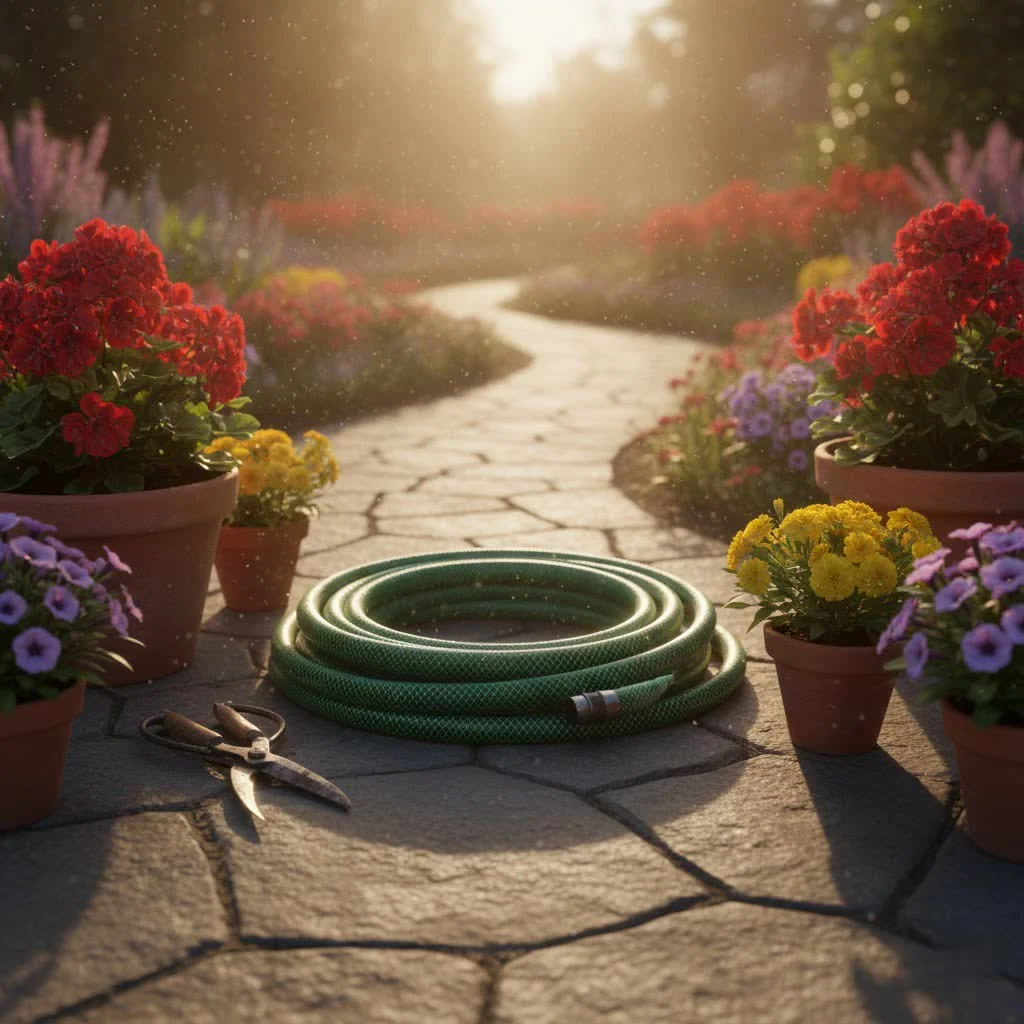
Understanding the Types of Non-Kink Garden Hoses
The market offers a diverse range of garden hoses, each employing different materials and designs to combat kinking. Understanding these variations is key to selecting the ideal hose for your specific needs.
Rubber Hoses
Traditional rubber hoses are renowned for their durability and resilience. Modern non-kink rubber hoses often incorporate heavy-duty reinforcement, making them incredibly robust and less prone to kinking than their standard counterparts. They excel in demanding conditions and can withstand a wide range of temperatures. However, they are typically heavier than other types, especially when full of water, which can make maneuvering them around a large garden a bit more strenuous. Brands like Dramm and Avagard offer premium rubber hoses with enhanced kink resistance.
Hybrid Polymer Hoses
Hybrid polymer hoses are a popular choice, combining the best attributes of rubber and PVC. They are celebrated for their exceptional flexibility, lightweight nature, and “zero memory,” meaning they lie flat and coil easily without retaining twists from previous use. This inherent flexibility and advanced material composition make them highly resistant to kinking. Flexzilla is a prime example of a brand excelling in this category, providing hoses that are both flexible and remarkably durable, allowing for smooth navigation around obstacles without interruption.
Polyurethane Hoses
Polyurethane hoses are often considered the pinnacle of durability and lightweight design. They are highly resistant to punctures, abrasions, and kinks, often surpassing rubber in these aspects while being significantly lighter. Many polyurethane hoses are also drinking-water safe, making them versatile for various household tasks beyond gardening. While they might come with a higher price tag, their longevity and superior performance, particularly in kink resistance, make them a worthwhile investment for many gardeners. Eley and Water Right offer some highly-rated polyurethane options known for their robustness.
Expandable Hoses
Expandable hoses are a marvel of convenience, dramatically shrinking in length when empty for easy storage and expanding up to three times their original size when filled with water. Many expandable hoses feature a double-layered latex core and robust brass connectors to prevent leaks and improve durability. While some early models had durability issues, newer versions are designed with improved materials and construction to minimize kinking and ensure a consistent flow. Their lightweight nature and compact storage make them ideal for smaller gardens or for those with limited storage space, but it’s important to choose reputable brands like GrowGreen or Airthereal to ensure quality.
Stainless Steel Hoses
For the ultimate in kink-proof and puncture-resistant performance, stainless steel hoses are an excellent choice. These hoses typically feature a flexible inner tube encased in a durable, interlocked stainless steel exterior. This construction makes them virtually impossible to kink, incredibly tough against external damage, and surprisingly lightweight. While they might have a unique aesthetic and sometimes a different feel, their unparalleled resistance to kinks and extreme durability make them a top contender for gardeners seeking a truly hassle-free experience. Forever Steel and Bionic Steel are prominent names in this category.
Reinforced PVC/Vinyl Hoses
While standard PVC or vinyl hoses are often prone to kinking, reinforced versions incorporate additional layers or specialized weaving to improve their structural integrity. These hoses are generally more affordable and lighter than rubber alternatives. Premium reinforced PVC hoses can offer good kink resistance for light to medium-duty tasks. However, it’s crucial to select higher-quality variants, as cheaper options may still struggle with kinking and have a shorter lifespan.
Decoding Kink Resistance: How Non-Kink Hoses Work
What truly sets a non-kink garden hose apart from a traditional one lies in its fundamental design and material science. It’s not just about being flexible; it’s about intelligent engineering.
The primary mechanism behind kink resistance involves a material’s resilience and its kink-memory. Resilience refers to a material’s ability to quickly return to its original shape after being bent or compressed. Hoses made from highly resilient materials, such as hybrid polymers or specific rubber compounds, tend to spring back into form rather than collapsing into a kink.
Furthermore, kink-memory (or compression set) is a critical factor. When a hose bends, the material is compressed. Hoses with low kink-memory will recover a higher percentage of their original shape after compression, making them less likely to kink repeatedly in the same spot. Manufacturers achieve this through proprietary material formulas and internal structures.
Some hoses incorporate innovative internal designs. For instance, CoreFUSION® Technology involves embedding strong rods within the hose’s interior wall, limiting how far the hose can bend. Others utilize an X-shaped filament (XFlex® Continuous Flow® filament) running through the center, which creates open pathways for water even if the hose is folded. Advanced multi-layer constructions, often involving woven or circular knit reinforcement between inner and outer layers, also significantly enhance a hose’s ability to resist twists and maintain continuous water flow. The “hardness” of the material also plays a role; surprisingly, overly soft materials can sometimes fold more easily, increasing the likelihood of kinking, which is why a balance of flexibility and structural integrity is crucial.
Comparison Table: Non-Kink Garden Hoses
| Hose Type | Primary Material | Kink Resistance Level | Durability Level | Weight (Relative) | Price Range | Key Features |
|---|---|---|---|---|---|---|
| Rubber | Reinforced Rubber | High | Very High | Heavy | Mid-High | Excellent weather resistance, robust, long-lasting |
| Hybrid Polymer | Hybrid Polymer | Very High | High | Medium | Mid-High | Exceptional flexibility, zero memory, coils easily |
| Polyurethane | Polyurethane | Very High | Very High | Lightweight | High | Puncture & abrasion resistant, often drinking-water safe |
| Expandable | Latex/Polyester | Medium-High | Medium | Very Lightweight | Low-Mid | Compact storage, expands with water, can be prone to external damage |
| Stainless Steel | Stainless Steel | Virtually Kink-Proof | Extremely High | Medium-Light | High | Puncture & crush-proof, sleek appearance |
| Reinforced PVC | PVC with Weaving | Medium | Medium | Lightweight | Low-Mid | Affordable, good for light tasks, improved over basic vinyl |
How to Choose the Best Non-Kink Garden Hose
Selecting the right non-kink garden hose involves more than just picking the first one you see. Consider these factors to make an informed decision:
1. Assess Your Watering Needs
Before anything else, evaluate your garden’s size and your primary watering tasks. Do you have a small patio with potted plants, a sprawling lawn, or need to wash your car and driveway? The scope of your work will influence the ideal hose length, diameter, and material. For extensive areas, a longer, more durable hose is essential, while smaller tasks might benefit from a compact, lighter option.
2. Material Matters for Kink Resistance
As discussed, the material significantly impacts kink resistance, durability, and weight.
- Polyurethane offers an excellent balance of lightweight flexibility, extreme durability, and superior kink resistance.
- Hybrid polymers are also top performers for flexibility and anti-kink properties.
- Reinforced rubber provides robust durability and good kink resistance, though it’s heavier.
- Stainless steel hoses offer ultimate protection against kinking and physical damage.
- Expandable hoses are great for convenience and light use, but their construction might make them less suitable for very heavy-duty tasks or snagging on sharp objects.
3. Determine the Right Length and Diameter
- Length: Measure the furthest distance from your water source to the areas you need to water, then add a few extra feet for maneuverability. While longer hoses offer greater reach, they also mean more weight and potential storage challenges. Avoid coupling multiple shorter hoses, as this can increase wear and tear and create more leak points.
- Diameter: Common diameters are 1/2 inch, 5/8 inch, and 3/4 inch. A 5/8-inch hose is standard for most home gardening and offers a good balance of water flow and manageability. A wider 3/4-inch hose provides higher water pressure and volume, ideal for larger gardens, pressure washing, or rapid filling, but it will be heavier. A 1/2-inch hose is suitable for small areas or light watering tasks.
4. Inspect Fittings and Connections
High-quality fittings are crucial for preventing leaks and ensuring a secure connection. Look for:
- Brass Fittings: These are generally more durable and corrosion-resistant than plastic, offering a long-lasting, leak-proof seal.
- Crush-Proof Couplings: Essential for hoses that might be stepped on or run over by garden equipment.
- Swivel Grips/Reinforced Ends: Features like swivel grips (e.g., on Flexzilla) make it easier to attach and detach the hose without twisting, while reinforced sections near the spigot prevent kinking at the connection point.
5. Consider Weight and Flexibility
A lighter, more flexible hose reduces fatigue during use and simplifies storage. Hybrid polymers and polyurethane hoses often excel in this regard. While traditional rubber hoses are highly durable, their weight can be a drawback for some users. Expandable and stainless steel options offer compelling lightweight advantages.
Top Non-Kink Garden Hose Brands
Several brands have earned a reputation for producing high-quality non-kink garden hoses. Here are a few notable mentions:
- Flexzilla: Widely acclaimed for its hybrid polymer construction, Flexzilla hoses are known for their extreme flexibility, lightweight feel, and “zero memory” design that virtually eliminates kinking. Their distinctive bright green color is easily recognizable.
- Teknor Apex Zero-G: This brand offers lightweight, semi-collapsible hoses with a unique woven casing that allows them to lie flat and coil easily without kinking. They provide a high flow rate and are compact for storage.
- Eley: Often praised for their professional-grade polyurethane hoses, Eley products are exceptionally durable, resistant to abrasions and kinks, and designed for long-term reliability. They are a premium option for serious gardeners.
- Craftsman: Known for robust tools, Craftsman offers heavy-duty garden hoses often made from a polyurethane and PVC blend. These hoses are reinforced for durability and designed to resist kinking, providing consistent performance.
- Dramm ColorStorm: These premium rubber hoses are built for durability and kink resistance, often featuring a unique hexagonal shape and heavy-duty brass fittings. They come in a variety of vibrant colors.
- Bionic Steel / Forever Steel: These brands specialize in stainless steel hoses that are virtually kink-proof, puncture-proof, and incredibly resilient to damage, offering a truly hassle-free watering experience.
Tips for Using and Maintaining Your Non-Kink Garden Hose
Even the best non-kink hose benefits from proper care to maximize its lifespan and ensure peak performance.
- Uncoil and Coil Properly: Always uncoil your hose fully before use to prevent any unnecessary stress that could lead to kinking, even in non-kink designs. After use, coil it neatly using a hose reel, hose pot, or wall hanger. Avoid forcing tight coils; let the hose’s natural memory guide its coiling.
- Drain After Use: Before storing, always drain all water from your hose. This prevents pressure buildup, especially in expandable hoses, and protects it from freezing and cracking in colder temperatures.
- Protect from Sun and Extreme Temperatures: Prolonged exposure to direct sunlight and harsh UV rays can degrade hose materials over time, reducing flexibility and increasing the likelihood of damage. Store your hose in a shaded area or indoors when not in use. Similarly, bring your hose inside during freezing winter months to prevent damage.
- Check Connections Regularly: Periodically inspect fittings for tightness and wear. Replace worn washers or use Teflon tape to ensure leak-free connections.
- Avoid Dragging Over Sharp Objects: While many non-kink hoses are durable, repeatedly dragging them over sharp rocks, gravel, or abrasive surfaces can still cause wear and tear. Try to guide your hose around obstacles.
- Use the Right Nozzle: A quality nozzle not only controls water flow but can also alleviate pressure on the hose itself, contributing to its longevity.
Common Problems and Solutions
Even with a non-kink hose, minor issues can arise. Here’s how to troubleshoot them:
- Minor Kinks: While rare in high-quality non-kink hoses, a momentary kink might occur if the hose is sharply bent under low pressure. Often, simply laying the hose flat and turning on the water pressure will cause it to unkink itself.
- Leaks at Connections: This is usually due to loose fittings or worn-out washers. First, ensure all connections are tightly hand-fastened. If leaks persist, replace the rubber washer inside the coupling or apply plumber’s tape (Teflon tape) to the threads.
- Reduced Water Flow (Not a Kink): If water flow is diminished and there’s no visible kink, check your spigot for obstructions or ensure the main water supply is fully open. Sometimes, debris can get lodged in the hose or nozzle. Disconnect both ends and flush the hose or clean the nozzle.
- Storage Issues: If your hose is difficult to store neatly, consider investing in a high-quality hose reel or a decorative hose pot. These tools not only aid in storage but also help maintain the hose’s shape and prevent accidental kinking.
Conclusion
A non-kink garden hose is more than just a convenience; it’s an investment in efficiency, durability, and a more enjoyable gardening experience. By understanding the various materials, designs, and crucial buying factors, you can choose a hose that stands up to the demands of your watering tasks without the constant battle against frustrating twists and reduced water flow. Opting for a high-quality, kink-resistant hose means you can spend less time wrestling with equipment and more time nurturing your plants, ensuring your garden thrives with consistent, effortless hydration.
Ready to transform your watering routine? Consider your needs, explore the innovative designs, and invest in a non-kink garden hose that promises years of reliable service. What’s the one feature you wish your current garden hose had that a non-kink option could provide?
Frequently Asked Questions
Why do traditional garden hoses kink?
|
Our Picks for the Best Garden Hose in 2026
As an Amazon Associate I earn from qualifying purchases.
|
||
| Num | Product | Action |
|---|---|---|
| 1 | Flexzilla Garden Hose 5/8 in. x 100 ft., Lightweight All-Weather Water Hose, Durable and Flexible, Leak-Free Connections |

|
| 2 | Flexi Hose Expandable Garden Hose with 8 Function Nozzle, 50FT - Lightweight Retractable Garden Hose, Water Hose - No-Kink Flexibility, 3/4 Inch Solid Brass Fittings and Double Latex Core |
|
| 3 | Flexi Hose Expandable Garden Hose with 8 Function Nozzle, 100FT - Lightweight Retractable Garden Hose, Water Hose - No-Kink Flexibility, 3/4 Inch Solid Brass Fittings and Double Latex Core |
|
| 4 | Flexzilla Garden Hose 5/8 in. x 25 ft., Lightweight All-Weather Water Hose, Durable and Flexible, Leak-Free Connections |
|
| 5 | Nilight RV Water Hose 100FT Garden Drinking Hoses with Storage Bag Leakproof Anti-Kink 5/8" Inner Diameter Flexible Lightweight Freshwater Hose for RVs Campers Travel Trailer Boat Car Wash Accessories |
|
| 6 | Easy to Use Garden Hose 100 FT, Lightweight and Leak-Proof Heavy-Duty Flexible Water Hose 100FT with Reinforced TPE Core, 3/4" Solid Brass Fittings, Ultra-Flow Manguera Para Jardin, Built to Last |
|
| 7 | Amazon Basics - Garden Hose, 100ft |
|
| 8 | Flexzilla Garden Hose 5/8 in. x 50 ft., Lightweight All-Weather Water Hose, Durable and Flexible, Leak-Free Connections |
|
| 9 | YAMATIC 100FT 5/8" Garden Hose, 300 PSI Kink-Resistant Water Hose with 360° Swivel Connector & 3/4" Brass GHT Fittings, Flexible All-Weather Outdoor Hose for Yard, Lawn, Garden & Driveway |
|
| 10 | Flexi Hose Expandable Garden Hose with 8 Function Nozzle, 50FT - Lightweight Retractable Garden Hose, Water Hose - No-Kink Flexibility, 3/4 Inch Solid Brass Fittings and Double Latex Core |
|
Traditional garden hoses kink due to their material composition, construction, and lack of internal support structures. When bent sharply, the material folds and restricts water flow, often aggravated by factors like hose memory and uneven pressure.
Are all “non-kink” hoses truly kink-free?
While manufacturers strive for true kink-free performance, the term often implies “highly kink-resistant.” Premium non-kink hoses, especially those made from hybrid polymers, polyurethane, or stainless steel with advanced internal designs, come very close to being truly kink-free under normal use, though extreme abuse can still cause issues.
What is the most kink-resistant garden hose material?
Stainless steel hoses are virtually impossible to kink due to their rigid outer shell. Among more traditional flexible hoses, high-quality hybrid polymers and polyurethane tend to offer the best kink resistance, balancing flexibility with structural integrity.
How should I store a non-kink garden hose to prevent kinks?
Even non-kink hoses benefit from proper storage. Always drain the water, then coil it neatly onto a hose reel, hanger, or into a hose pot. Avoid leaving it haphazardly on the ground or in tight, unnatural bends, especially in extreme temperatures.
How long do non-kink garden hoses typically last?
The lifespan varies significantly by material and quality. Premium non-kink hoses made from rubber, hybrid polymer, polyurethane, or stainless steel can last anywhere from 5 to 10 years or even longer with proper care and maintenance, significantly outperforming standard vinyl hoses.
Get our weekly buyer guide
Practical specs, not advice. Unsubscribe anytime.
