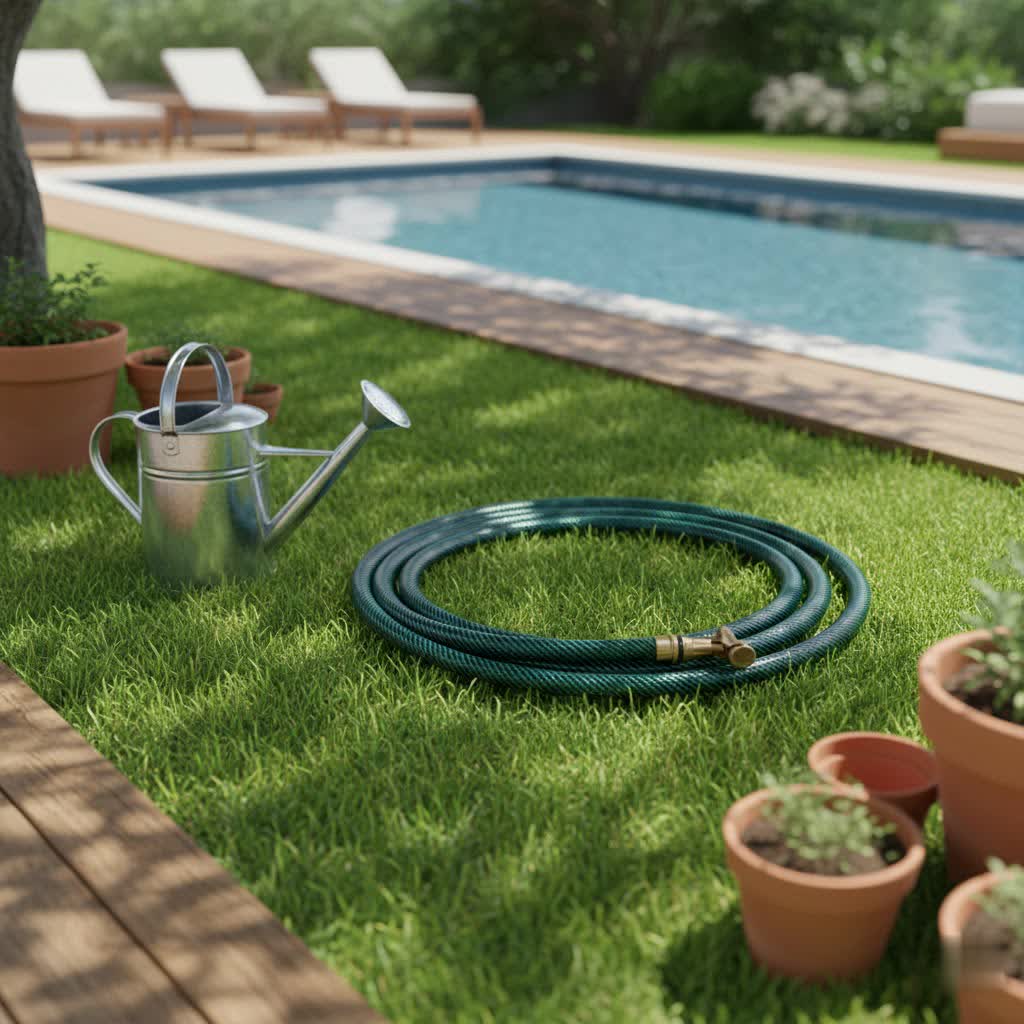
Is there anything more frustrating than a garden hose that kinks, leaks, or cracks after just a season or two? You step outside, ready to water your flourishing plants, only to find yourself wrestling with a tangled mess or drenched by an unexpected spray from a burst hose. This common scenario highlights why investing in a durable garden hose is not just a luxury, but a necessity for any serious gardener or homeowner. A well-chosen hose can transform your watering tasks from a chore into a seamless experience, ensuring your garden stays hydrated and vibrant for years to come.
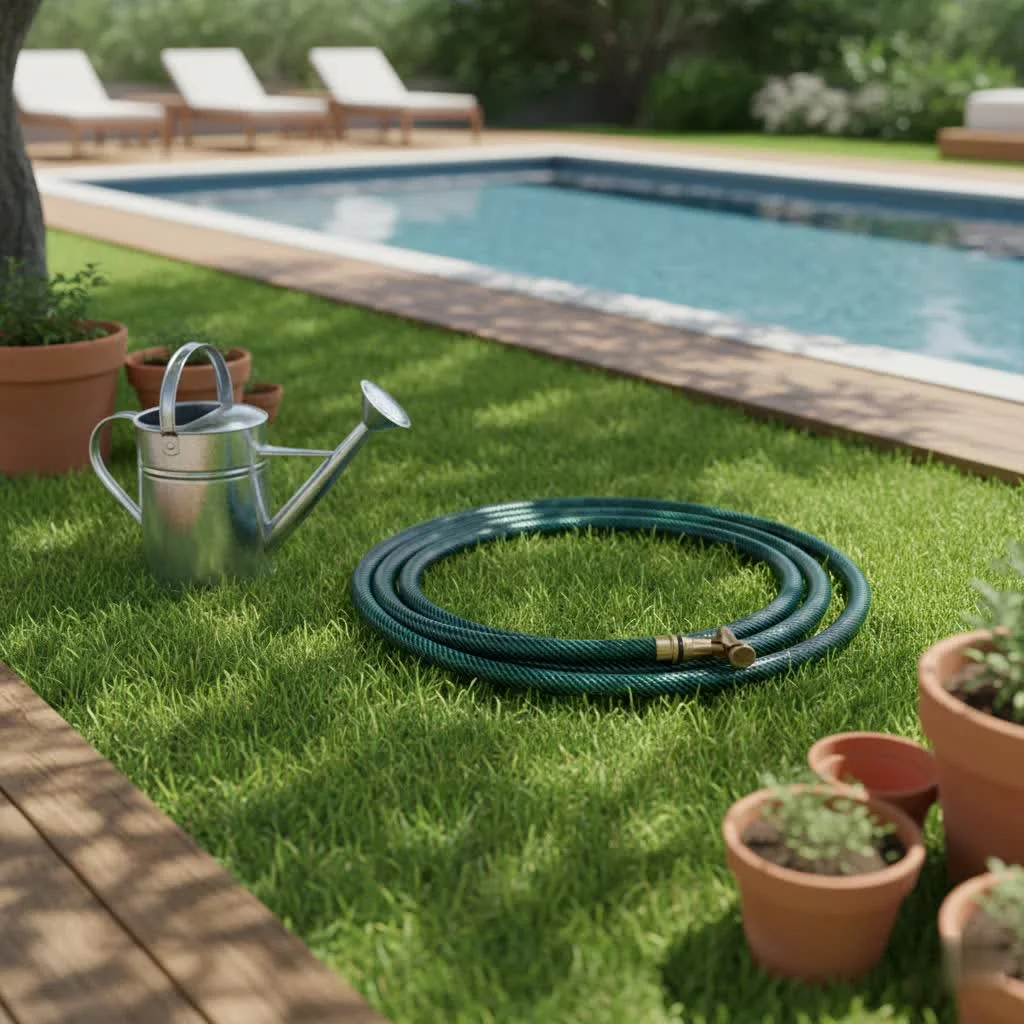
This comprehensive guide is designed to equip you with all the knowledge you need to select the perfect durable garden hose. We’ll explore various materials, compare their strengths and weaknesses, provide a detailed buying guide, recommend top brands, and share essential tips for usage and maintenance. By the end, you’ll be empowered to make an informed decision and enjoy the lasting benefits of a high-quality, reliable garden hose.
Popular Types of Durable Garden Hoses
Understanding the different materials and designs available is the first step toward finding a truly durable garden hose. Each type offers a unique balance of features, impacting everything from weight and flexibility to kink resistance and overall lifespan.
- Rubber Hoses: Often considered the gold standard for heavy-duty use, rubber hoses are renowned for their exceptional durability and flexibility. They are highly resistant to kinks, extreme temperatures, and chemical damage, making them ideal for rigorous use and colder climates. The main trade-off is their heavier weight and typically higher price point.
- PVC (Polyvinyl Chloride) Hoses: PVC hoses are generally the most affordable and lightweight option. While basic PVC hoses can be prone to kinking and cracking, higher-quality, reinforced PVC hoses offer improved durability and kink resistance. They are a good choice for light-duty gardening and budget-conscious buyers, but may not withstand harsh conditions as well as rubber or polyurethane.
- Polyurethane (PU) Hoses: Polyurethane hoses strike an excellent balance between durability and lightweight flexibility. They are highly resistant to punctures, kinks, abrasions, and UV damage, making them a popular choice for those seeking a robust yet easy-to-handle hose. Some are even made from materials used in inline skates, highlighting their tough nature.
- Expandable Hoses: These innovative hoses expand significantly when filled with water and shrink back to a compact size when drained, offering incredible ease of storage. Typically featuring an inner latex or rubber core covered by a polyester fabric, their durability can vary. High-quality expandable hoses are lightweight and convenient for light watering tasks, but cheaper models might be susceptible to bursting under high pressure or punctures.
- Hybrid Polymer Hoses: Combining the best aspects of rubber and PVC, hybrid polymer hoses offer good flexibility, kink resistance, and durability without the excessive weight of pure rubber. Brands like Flexzilla are well-known for their hybrid polymer offerings, providing a balance of performance and ease of use.
- Metal Hoses (e.g., Stainless Steel): Designed for extreme durability, metal hoses, often made from stainless steel, are virtually kink-proof, puncture-proof, and animal-proof. They are lightweight for their strength but might have a different feel and flexibility compared to traditional hoses.
Comparison Table of Durable Garden Hose Types
Choosing the right material for your durable garden hose is crucial. This table summarizes the key characteristics to help you quickly compare and decide based on your priorities.
| Type of Hose | Material | Durability | Price | Kink Resistance | Weight | Key Advantages | Key Disadvantages |
|---|---|---|---|---|---|---|---|
| Rubber Hose | Rubber | Excellent | High | Excellent | Heavy | Highly durable, flexible, chemical & temperature resistant | Heavy, more expensive |
| PVC Hose | PVC (often reinforced) | Moderate to Good | Low to Mid | Fair to Good | Light | Affordable, lightweight, UV resistant (premium) | Less flexible than rubber/PU, can stiffen/crack in cold |
| Polyurethane | Polyurethane | Excellent | Mid to High | Excellent | Lightweight | Abrasion, puncture, kink, and UV resistant, flexible | Can be more expensive than PVC |
| Expandable Hose | Latex/Rubber core, fabric exterior | Moderate to Good | Mid | Good | Very Light | Easy storage, lightweight, expands with water | Durability varies greatly by quality, can burst/puncture |
| Hybrid Polymer | Blend of PVC & Rubber | Good to Excellent | Mid | Excellent | Moderate | Flexible, kink-resistant, durable, easier to maneuver | Not as heavy-duty as pure rubber for extreme conditions |
| Metal Hose | Stainless Steel | Superior | High | Excellent | Lightweight | Kink-proof, puncture-proof, animal-proof | Can be stiff, heat up in sun, different handling feel |
How to Choose the Most Durable Garden Hose
Selecting a durable garden hose involves more than just picking the first one you see. Consider these factors to ensure you invest in a hose that truly meets your needs and stands the test of time.
- Assess Your Usage Needs:
- Garden Size and Layout: For smaller gardens or patios, a shorter, lightweight hose (25-50 ft) might suffice. Larger yards (75-100 ft or more) require longer hoses, where kink resistance and lighter weight become even more critical for maneuverability.
- Type of Watering Tasks: Are you just watering delicate plants, or do you need a hose for heavy-duty cleaning, pressure washing, or commercial use? Heavy-duty tasks demand robust materials like rubber or polyurethane with higher burst strengths.
- Water Pressure: If your property has higher water pressure, look for hoses with a higher “burst strength” rating, indicating they can withstand greater internal pressure without tearing.
- Prioritize Material Quality: As discussed, material is paramount for durability.
- Rubber and Polyurethane are top contenders for longevity and performance, especially against kinks and abrasions.
- Reinforced PVC or Hybrid Polymer offer good durability for general use at a mid-range price.
- For specific challenges like animal chewing or extreme kinking, metal hoses can be an excellent, albeit specialized, solution.
- Consider Hose Diameter and Length:
- Diameter: Common diameters are 1/2 inch, 5/8 inch, and 3/4 inch. A larger diameter (e.g., 5/8 or 3/4 inch) allows for greater water flow and pressure, which is beneficial for sprinklers or faster watering. A 1/2-inch hose is typically lighter and sufficient for light watering.
- Length: Choose a length that allows you to reach all areas of your garden comfortably without excess slack, which can lead to tangles and kinks. Avoid coupling multiple hoses together, as this can increase wear and tear.
- Examine Couplings and Fittings:
- Material: Look for solid brass fittings, which are superior to plastic or aluminum. Brass is corrosion-resistant, robust, and less likely to strip or crack over time.
- Design: Ergonomically designed couplings or those with hex shapes are easier to tighten by hand or with a wrench, preventing leaks and making connections smoother. Some hoses also feature bend restrictors or reinforced collars near the couplings to prevent kinking at the spigot.
- Look for Kink Resistance: This is a major factor in a hose’s longevity and user experience. Hoses made from high-quality rubber, polyurethane, or hybrid polymers, often with multi-ply construction, are inherently more kink-resistant. You can often test a hose’s kink resistance by trying to bend it tightly in the store.
- Check UV Resistance: If your hose will be stored outdoors in direct sunlight, UV resistance is crucial to prevent the material from degrading, becoming brittle, and cracking over time. Polyurethane and some reinforced PVC hoses offer good UV protection.
- Review Warranty Information: A good warranty often reflects a manufacturer’s confidence in their product’s durability. Many top brands offer limited lifetime warranties, providing peace of mind.
Top Brands for Durable Garden Hoses
Several brands consistently receive high praise for their durable garden hose offerings. While specific models may vary, these brands are known for their commitment to quality and longevity.
- Flexzilla: Widely acclaimed for its hybrid polymer hoses, Flexzilla offers excellent flexibility, kink resistance, and durability. Their SwivelGrip models are particularly popular for ease of connection and maneuvering.
- Eley (formerly Eley / Rapid Reel): Eley polyurethane hoses are often lauded as some of the most durable on the market, known for being puncture, kink, crush, and abrasion resistant. They are lightweight yet incredibly robust, often described as the “gold standard.”
- Stanley FatMax: This brand is recognized for its heavy-duty hoses designed for rigorous use. Stanley FatMax hoses often feature strong construction and good kink resistance, making them a solid choice for demanding tasks.
- Dramm Colorstorm Premium: Dramm is known for its high-quality rubber hoses that are durable, flexible, and designed to withstand hot water and heavy use. They also come in a variety of vibrant colors.
- Zero-G (Teknor Apex): The Zero-G hose is celebrated for its lightweight and ultra-flexible design, offering excellent kink resistance due to its unique semi-collapsible structure and woven casing. It’s a durable option that’s easy to handle and store.
- Bionic Steel: For those seeking ultimate durability against kinks and punctures, Bionic Steel offers stainless steel hoses that are virtually indestructible, lightweight, and easy to maneuver.
Essential Tips for Using and Maintaining Your Durable Garden Hose
Even the toughest durable garden hose benefits from proper care. Following these tips will significantly extend its lifespan and ensure it performs optimally for years to come.
- Coil and Store Properly: After each use, always coil your hose neatly. This prevents kinks, tangles, and unnecessary stress on the material. Investing in a hose reel or a sturdy wall-mounted hanger is highly recommended. Avoid hanging hoses on sharp nails, which can create weak points.
- Drain After Every Use: Don’t leave water sitting in your hose. Trapped water can build up pressure, promote mold and mildew growth, and freeze in colder temperatures, leading to cracks and bursts. Turn off the spigot, open the nozzle, and allow all water to drain out before storing.
- Keep Out of Direct Sunlight: Prolonged exposure to UV rays can degrade hose materials, making them brittle and susceptible to cracks and leaks, especially for rubber and certain plastics. Store your hose in a shaded area, shed, garage, or use a hose reel with a UV-resistant cover.
- Check for Damage Regularly: Periodically inspect your hose for any signs of wear, such as small leaks, cracks, bulges, or corroded fittings. Addressing minor issues promptly with repair kits or replacing damaged sections can prevent larger problems.
- Use Recommended Water Pressure: Operating your hose within its recommended pressure limits will prevent undue stress on the material and fittings, reducing the risk of leaks or bursts.
- Avoid Dragging by the Nozzle: Always move your hose by the hose itself, not by pulling on the nozzle. This can stress and damage the connection points, leading to leaks.
- Clean Fittings and Nozzles: Over time, sediment and debris can build up in your nozzle and hose fittings, affecting water flow and potentially causing clogs. Clean these components regularly with warm water and mild soap.
Common Problems and How to Fix Them
Even the most durable garden hose can encounter issues. Knowing how to diagnose and address common problems can save you time, money, and frustration.
- Hose Kinking:
- Cause: Often due to improper coiling, using a hose not designed for kink resistance, or dragging it incorrectly.
- Fix: Invest in a high-quality, kink-resistant hose (rubber, polyurethane, hybrid polymer, or metal). Always uncoil the hose completely before use and coil it in large, even loops for storage.
- Leaks and Drips:
- Cause: Damaged washers in couplings, loose connections, or small punctures/cracks in the hose body.
- Fix: First, tighten connections. If that doesn’t work, check the rubber washer inside the coupling for wear and replace it if damaged. For small holes in the hose, a hose repair kit with waterproof tape or clamps can provide a temporary or semi-permanent solution. For significant damage, replacement is often the best option.
- Low Water Pressure:
- Cause: Clogged nozzles, partially closed spigots, or internal hose blockages.
- Fix: Ensure your spigot is fully open. Disconnect and clean your nozzle, removing any debris. If the problem persists, check for kinks or obstructions within the hose itself.
- Cracks and Wear:
- Cause: Exposure to harsh UV rays, extreme temperatures, prolonged dragging over rough surfaces, or old age.
- Fix: Prevention is key: store your hose out of sunlight and drain it in cold weather. For minor cracks, a hose repair kit might work, but extensive cracking usually indicates it’s time for a new hose.
Conclusion
Choosing the right durable garden hose is an investment that pays dividends in convenience, efficiency, and peace of mind. By understanding the different materials available, carefully considering your specific needs, and committing to simple maintenance routines, you can select a hose that withstands the rigors of outdoor use and remains a reliable companion in your gardening journey. Don’t settle for a flimsy hose that constantly disappoints; empower yourself with the knowledge to pick a robust and long-lasting solution.
Ready to upgrade your watering experience? What’s the biggest hose frustration you’re hoping to solve with a more durable option?
Frequently Asked Questions
What material is best for a durable garden hose?
|
Our Picks for the Best Garden Hose in 2026
As an Amazon Associate I earn from qualifying purchases.
|
||
| Num | Product | Action |
|---|---|---|
| 1 | Easy to Use Garden Hose 100 FT, Lightweight and Leak-Proof Heavy-Duty Flexible Water Hose 100FT with Reinforced TPE Core, 3/4" Solid Brass Fittings, Ultra-Flow Manguera Para Jardin, Built to Last |

|
| 2 | Amazon Basics - Garden Hose, 100ft |
|
| 3 | Flexi Hose Expandable Garden Hose with 8 Function Nozzle, 50FT - Lightweight Retractable Garden Hose, Water Hose - No-Kink Flexibility, 3/4 Inch Solid Brass Fittings and Double Latex Core |
|
| 4 | YAMATIC 100FT 5/8" Garden Hose, 300 PSI Kink-Resistant Water Hose with 360° Swivel Connector & 3/4" Brass GHT Fittings, Flexible All-Weather Outdoor Hose for Yard, Lawn, Garden & Driveway |
|
| 5 | Flexzilla Garden Hose 5/8 in. x 50 ft., Lightweight All-Weather Water Hose, Durable and Flexible, Leak-Free Connections |
|
| 6 | Flexzilla Garden Hose 5/8 in. x 25 ft., Lightweight All-Weather Water Hose, Durable and Flexible, Leak-Free Connections |
|
| 7 | Flexi Hose Expandable Garden Hose with 8 Function Nozzle, 50FT - Lightweight Retractable Garden Hose, Water Hose - No-Kink Flexibility, 3/4 Inch Solid Brass Fittings and Double Latex Core |
|
| 8 | Flexi Hose Expandable Garden Hose with 8 Function Nozzle, 100FT - Lightweight Retractable Garden Hose, Water Hose - No-Kink Flexibility, 3/4 Inch Solid Brass Fittings and Double Latex Core |
|
| 9 | Flexzilla Garden Hose 5/8 in. x 100 ft., Lightweight All-Weather Water Hose, Durable and Flexible, Leak-Free Connections |
|
| 10 | Nilight RV Water Hose 100FT Garden Drinking Hoses with Storage Bag Leakproof Anti-Kink 5/8" Inner Diameter Flexible Lightweight Freshwater Hose for RVs Campers Travel Trailer Boat Car Wash Accessories |
|
For the best durability, rubber and polyurethane are generally considered superior. Rubber hoses excel in harsh conditions and cold weather, while polyurethane offers a lightweight yet highly resistant option against kinks, punctures, and UV damage.
How do I prevent my garden hose from kinking?
To prevent kinking, invest in a hose specifically designed with kink-resistant properties, often found in high-quality rubber, polyurethane, or hybrid polymer hoses. Always unroll the hose fully before use and coil it properly after, ideally using a hose reel or hanger.
How long should a durable garden hose last?
A high-quality, durable garden hose made from materials like rubber or polyurethane, with proper care and maintenance, can easily last 5 to 10 years or even longer. Cheaper vinyl hoses typically have a much shorter lifespan.
Are expandable hoses durable?
The durability of expandable hoses varies significantly by quality. While convenient for storage and lightweight, some cheaper models can be prone to bursting or puncturing. Look for expandable hoses with reinforced inner cores and strong outer fabrics from reputable brands for better longevity.
What’s the ideal length for a garden hose?
The ideal length depends on your garden size. Measure the distance from your water source to the farthest point you need to reach, then add a few extra feet for maneuverability. Common lengths range from 25 to 100 feet. Avoid unnecessarily long hoses, as they are heavier and more prone to tangles.
Get our weekly buyer guide
Practical specs, not advice. Unsubscribe anytime.
