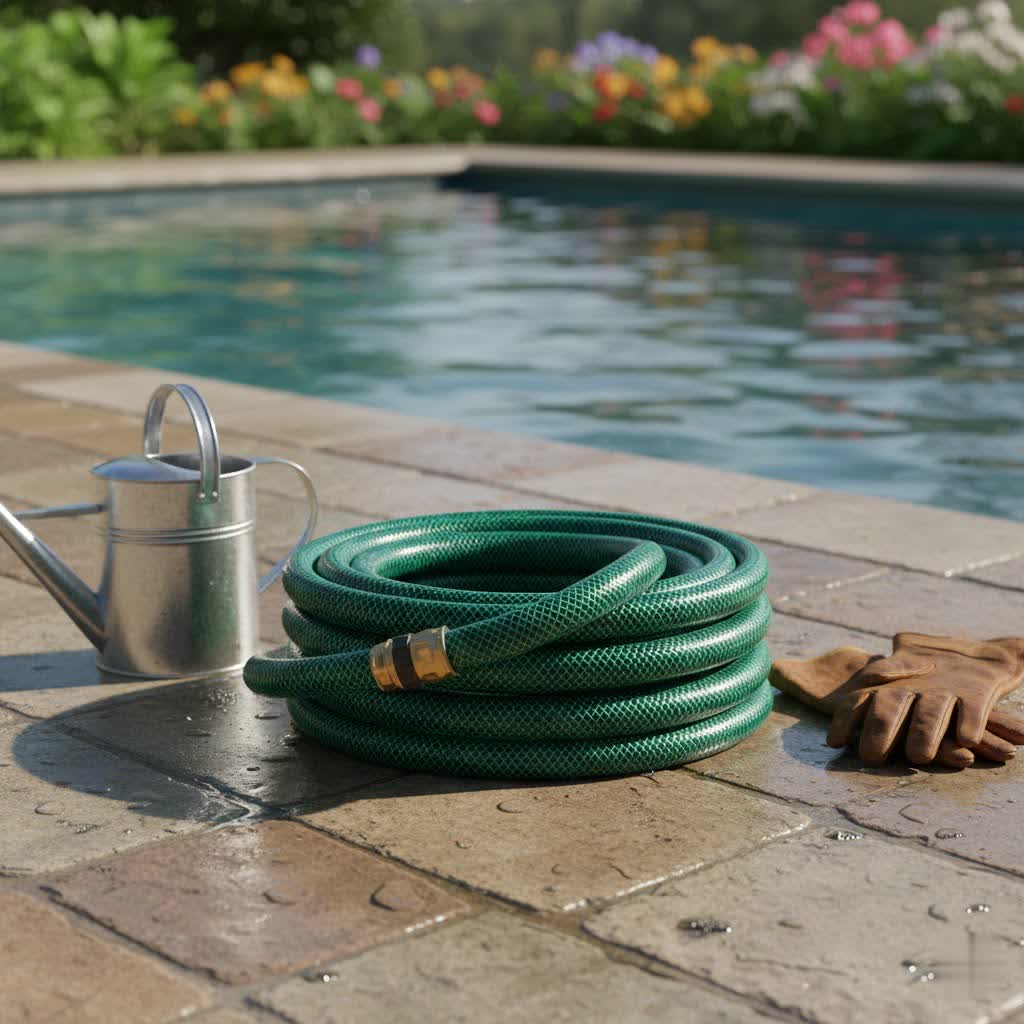
A reliable garden hose is an indispensable tool for any homeowner or gardening enthusiast, essential for keeping lawns lush, plants thriving, and outdoor spaces clean. Yet, stepping into a store like Menards can quickly reveal an overwhelming array of options, making the choice feel like a chore. From varying materials and lengths to different diameters and special features, selecting the right garden hose requires understanding your specific needs and the characteristics of each type. This guide aims to demystify the process, offering you the knowledge to confidently navigate Menards’ selection and choose a garden hose that perfectly suits your watering demands and budget.
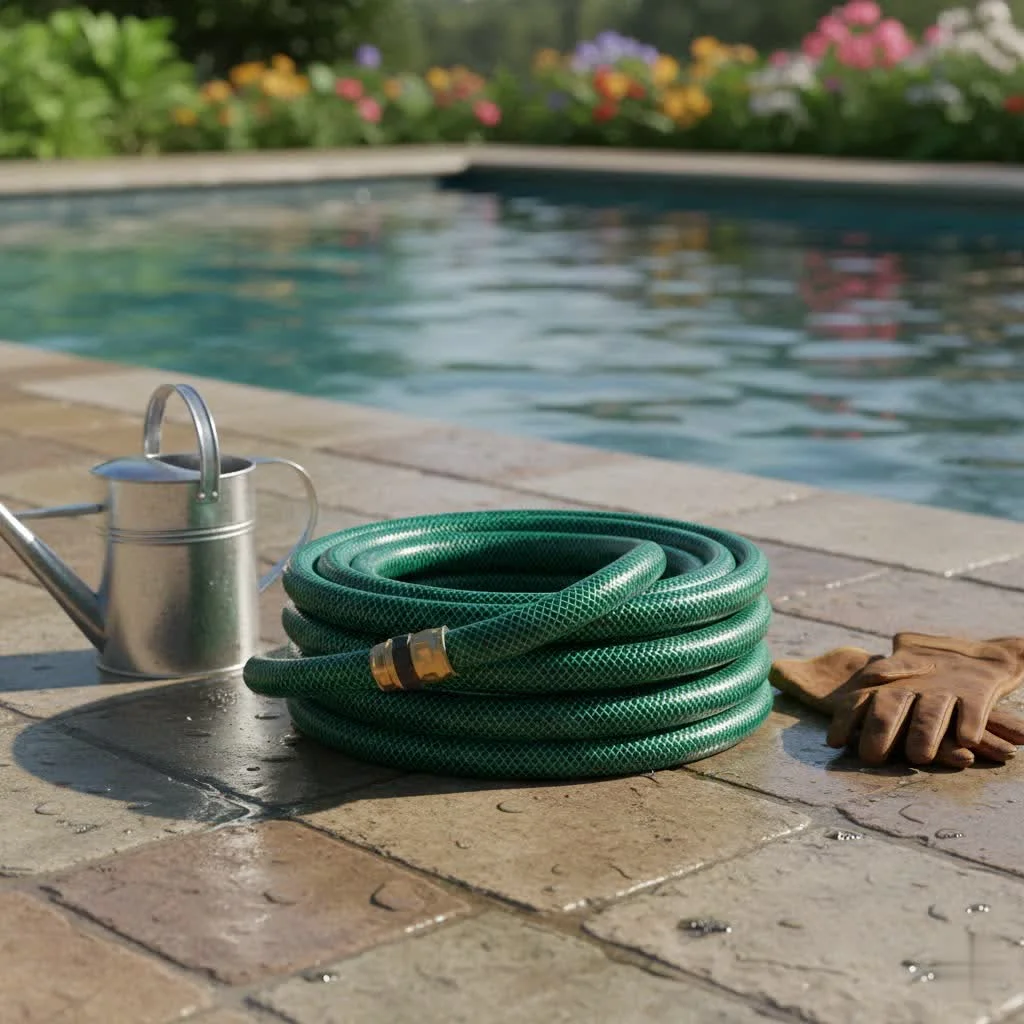
Exploring the Types of Garden Hoses at Menards
Understanding the different kinds of garden hoses available is the first step toward making an informed decision. Each type offers distinct advantages and disadvantages, impacting durability, flexibility, and overall performance. At Menards, you’ll encounter a variety of popular options tailored to diverse gardening needs. For see our garden hose recommendations on this site.
Rubber Hoses
Rubber hoses are often hailed as the gold standard for durability and flexibility. They are designed to withstand extreme temperatures, resist kinking, and generally have a longer lifespan than other materials. However, their robust construction means they are typically heavier and often come with a higher price tag. They are an excellent investment for those seeking a long-lasting, heavy-duty option for demanding tasks.
Vinyl and PVC Hoses
These hoses are generally the most affordable and lightweight options on the market. While their initial cost is appealing, vinyl and PVC hoses can be prone to kinking, especially when not properly managed. They may also be more susceptible to cracking or hardening over time, particularly with exposure to sunlight and harsh weather conditions. Menards often carries light-duty vinyl options, which are suitable for occasional, light watering tasks but may require more frequent replacement.
Expandable Hoses
Expandable hoses, such as the XHOSE Pro frequently found at Menards, are popular for their lightweight and compact design. They expand significantly when filled with water, reaching up to three times their original length, and then contract for easy storage. This feature makes them incredibly convenient for small spaces or for those who dislike wrestling with bulky hoses. However, some users have reported concerns regarding their long-term durability, with issues like bursting or inner liner separation, despite often coming with appealing warranties. It’s crucial to handle these hoses with care and store them properly to maximize their lifespan.
Hybrid Hoses
Hybrid hoses combine the best features of rubber and PVC, offering a balance of flexibility, durability, and a more manageable weight than pure rubber hoses. They are less prone to kinking than vinyl hoses and more resistant to weather extremes. These hoses represent a middle-ground option for gardeners looking for enhanced performance without the full weight and cost of a heavy-duty rubber hose.
Soaker Hoses
|
Our Picks for the Best Garden Hose in 2026
As an Amazon Associate I earn from qualifying purchases.
|
||
| Num | Product | Action |
|---|---|---|
| 1 | Flexzilla Garden Hose 5/8 in. x 50 ft., Lightweight All-Weather Water Hose, Durable and Flexible, Leak-Free Connections |

|
| 2 | Amazon Basics - Garden Hose, 100ft |
|
| 3 | Flexi Hose Expandable Garden Hose with 8 Function Nozzle, 50FT - Lightweight Retractable Garden Hose, Water Hose - No-Kink Flexibility, 3/4 Inch Solid Brass Fittings and Double Latex Core |
|
| 4 | Easy to Use Garden Hose 100 FT, Lightweight and Leak-Proof Heavy-Duty Flexible Water Hose 100FT with Reinforced TPE Core, 3/4" Solid Brass Fittings, Ultra-Flow Manguera Para Jardin, Built to Last |
|
| 5 | YAMATIC 100FT 5/8" Garden Hose, 300 PSI Kink-Resistant Water Hose with 360° Swivel Connector & 3/4" Brass GHT Fittings, Flexible All-Weather Outdoor Hose for Yard, Lawn, Garden & Driveway |
|
| 6 | Flexi Hose Expandable Garden Hose with 8 Function Nozzle, 100FT - Lightweight Retractable Garden Hose, Water Hose - No-Kink Flexibility, 3/4 Inch Solid Brass Fittings and Double Latex Core |
|
| 7 | Nilight RV Water Hose 100FT Garden Drinking Hoses with Storage Bag Leakproof Anti-Kink 5/8" Inner Diameter Flexible Lightweight Freshwater Hose for RVs Campers Travel Trailer Boat Car Wash Accessories |
|
| 8 | Flexi Hose Expandable Garden Hose with 8 Function Nozzle, 50FT - Lightweight Retractable Garden Hose, Water Hose - No-Kink Flexibility, 3/4 Inch Solid Brass Fittings and Double Latex Core |
|
| 9 | Flexzilla Garden Hose 5/8 in. x 100 ft., Lightweight All-Weather Water Hose, Durable and Flexible, Leak-Free Connections |
|
| 10 | Flexzilla Garden Hose 5/8 in. x 25 ft., Lightweight All-Weather Water Hose, Durable and Flexible, Leak-Free Connections |
|
For efficient and targeted watering, soaker hoses are an excellent choice. These hoses are designed with porous walls that allow water to slowly seep out along their entire length, delivering moisture directly to plant roots. They are ideal for garden beds, hedges, and rows of vegetables, significantly reducing water waste from evaporation or runoff. While not a primary watering hose, they are a valuable tool for water conservation and plant health.
Comprehensive Comparison of Garden Hose Types
Choosing the right hose involves weighing several factors. This table provides a quick overview to help you compare the common types you might find at Menards.
| Loại ống | Chất liệu | Độ bền | Giá thành | Ưu điểm | Nhược điểm |
|---|---|---|---|---|---|
| Rubber | Rubber | High | High | Highly durable, flexible, weather-resistant | Heavy, more expensive |
| Vinyl/PVC | PVC/Vinyl | Low to Medium | Low | Lightweight, affordable | Prone to kinking, shorter lifespan, less durable |
| Expandable | Latex core with fabric exterior | Medium | Medium | Lightweight, compact storage, easy to maneuver | Can be prone to bursting or leaks, sensitive to pressure |
| Hybrid | Rubber and PVC blend | Medium to High | Medium | Good balance of flexibility, durability, and weight | Can still kink under certain conditions |
| Soaker | Recycled rubber or PVC | Medium | Low to Medium | Water-efficient, delivers water directly to roots | Not for high-pressure tasks, can clog over time |
Your Guide to Selecting the Ideal Garden Hose
With a clearer understanding of hose types, it’s time to consider the practical aspects of choosing one that best fits your gardening lifestyle and property at Menards.
Determine Your Usage Needs
Begin by assessing how and where you’ll use the hose.
- Garden Size: A small patio or balcony garden might only need a short, lightweight hose, while a sprawling yard demands a longer, more durable option.
- Watering Tasks: Are you gently watering delicate flowers, power-washing a patio, filling a pool, or running a sprinkler? Different tasks require different hose pressures and material strengths.
- Water Pressure: Consider the water pressure in your area, as some hoses perform better with specific pressure levels.
Choosing the Right Material
Your material choice significantly impacts the hose’s performance and longevity. For heavy-duty use and superior longevity, a rubber hose is often worth the investment. If budget and lightness are priorities for occasional tasks, a vinyl or PVC hose might suffice, but be prepared for potential kinking. Expandable hoses offer convenience for storage and portability, though it’s wise to consider user reviews and warranty specifics when opting for this type.
Selecting the Appropriate Diameter
The hose’s diameter dictates the water flow.
- 1/2-inch: The smallest, lightest option, suitable for light watering where strong pressure isn’t required.
- 5/8-inch: The most common and versatile diameter, offering a good balance of flow and manageability for most home gardening tasks.
- 3/4-inch: Provides maximum water flow, ideal for large areas, filling pools, or using high-volume sprinklers. However, these hoses are heavier and less flexible.
Length Considerations
Choose a length that comfortably reaches all areas of your garden without excessive slack. An overly long hose can be cumbersome to store, reduce water pressure, and increase the likelihood of kinking. Measure the longest distance from your spigot to the farthest watering point to determine the minimum length needed.
Inspecting Product Quality
When shopping at Menards, take a moment to physically examine the hoses. Check the thickness and flexibility of the material, especially at the connection points. High-quality brass fittings are generally more durable and less prone to leaks than plastic ones. Look for hoses with reinforced construction or “kink-resistant” claims, though real-world performance can vary.
Understanding Warranties and Brands
Menards carries various brands, including Yardworks, FITT Aquamaster, and XHOSE Pro. While some products may come with “lifetime warranties,” it’s crucial to understand the terms and conditions. Some users have reported issues with Menards hoses, even those with warranties, failing prematurely. Keep your receipt, as it is often essential for warranty claims or in-store replacements. Be aware that Menards’ product pages might not feature customer reviews, making external research on brands and models a valuable step.
“A common pitfall for garden hose buyers is underestimating the value of quality fittings. Solid brass connections might cost a little more upfront, but they significantly reduce leaks and last far longer than plastic.” – Gardening Expert, Home & Garden Magazine
Top Garden Hose Brands Often Found at Menards
While specific stock varies, Menards frequently features hoses from well-known brands and their own exclusive lines. Here are some you might encounter:
- Yardworks: Often Menards’ in-house brand, Yardworks hoses typically offer a range of options from light-duty vinyl to more robust models. They are often competitively priced, making them a popular choice for budget-conscious buyers.
- FITT Aquamaster: Known for offering quality hoses that balance flexibility and durability, FITT Aquamaster products are a reliable choice for general gardening needs.
- XHOSE Pro: As a popular expandable hose brand, XHOSE Pro offers the convenience of compact storage and lightweight handling. While appealing, it’s wise to research recent user experiences regarding their long-term durability.
Since Menards often lacks comprehensive online reviews for its products, consulting external reviews for these brands can provide a clearer picture of their real-world performance and longevity.
Essential Tips for Using and Maintaining Your Garden Hose
Proper care extends the life of any garden hose, regardless of its initial quality or price. Incorporating these simple practices can save you money and frustration in the long run.
- Avoid Direct Sunlight: Prolonged exposure to UV rays can degrade hose materials, making them brittle and prone to cracking. Store your hose in the shade or on a hose reel when not in use.
- Coil Neatly After Use: Properly coiling your hose prevents kinks, tangles, and premature wear. Use a hose reel or a simple figure-eight coiling method to keep it organized and free-flowing.
- Drain Before Storage: Before storing your hose, especially during colder months, drain all water from it. Water left inside can freeze, expand, and damage the hose material.
- Use Recommended Water Pressure: Operating a hose beyond its recommended pressure limits can lead to leaks, bursts, and accelerated wear.
- Inspect and Clean Regularly: Periodically check your hose for cuts, abrasions, or damage to the fittings. Clean any debris from the nozzle and connections to ensure optimal water flow.
Common Garden Hose Problems and Practical Solutions
Even the best garden hoses can encounter issues over time. Knowing how to diagnose and address these problems can help you extend your hose’s life and maintain efficient watering.
Hose Leaks or Bursts
A common complaint, especially with more budget-friendly or older hoses, is unexpected leaks or bursts. This can be particularly frustrating if it occurs shortly after purchase, as some users have experienced with Menards hoses.
- Solution: For minor leaks, specialized hose repair kits are available that allow you to cut out the damaged section and reconnect the hose. For major bursts, especially if the hose is relatively new and under warranty, gather your receipt and packaging for a potential replacement at Menards. Always check fittings for tightness or damage.
Persistent Kinking
A hose that frequently kinks is inefficient and annoying, restricting water flow and adding stress to the material.
- Solution: If your current hose kinks frequently, consider upgrading to a hybrid or rubber hose known for its kink resistance. When using any hose, uncoil it fully before turning on the water, and use a hose reel to store it, preventing twists and knots.
Low Water Pressure
If your water flow seems weak, several factors could be at play.
- Solution: First, ensure the hose diameter is appropriate for your needs (larger diameters offer more flow). Check for kinks or blockages within the hose or at the spigot connection. A clogged nozzle can also restrict flow, so clean it thoroughly.
Conclusion
Choosing the right garden hose at Menards doesn’t have to be a bewildering task. By understanding the different materials, diameters, and lengths available, and by considering your specific watering needs, you can make a choice that offers both efficiency and longevity. While brands like Yardworks, FITT Aquamaster, and XHOSE Pro are often found in Menards’ aisles, remember to weigh their features against known user experiences and warranty details. Investing a little time in research and selecting a quality hose tailored to your tasks will significantly enhance your gardening experience and save you from the common frustrations of leaks, kinks, and premature replacement.
What’s the biggest challenge you face when trying to find a durable garden hose that truly stands the test of time?
Frequently Asked Questions
What is the best type of garden hose for a small garden?
For smaller gardens or patios, a lightweight expandable hose like the XHOSE Pro, or a shorter, smaller-diameter vinyl hose, is often the most practical. These options are easy to maneuver and store, making light watering tasks less cumbersome.
Are expandable hoses from Menards durable?
Expandable hoses, including those found at Menards, offer convenience but have received mixed reviews regarding durability. While they are lightweight and compact, some users report issues with bursting or leaking over time. Reading external reviews and understanding the warranty are advisable before purchase.
How do I claim a warranty on a Menards garden hose?
To claim a warranty on a garden hose purchased at Menards, it is crucial to retain your original receipt and, if possible, the product packaging. Menards’ policy typically requires these for in-store replacements, especially for items covered by “lifetime warranties.”
What diameter garden hose should I buy?
For most general household gardening and watering tasks, a 5/8-inch diameter garden hose is recommended as it provides a good balance of water flow and flexibility. If you need higher water pressure for larger areas or specific tools, a 3/4-inch hose might be more suitable, though it will be heavier.
Get our weekly buyer guide
Practical specs, not advice. Unsubscribe anytime.
