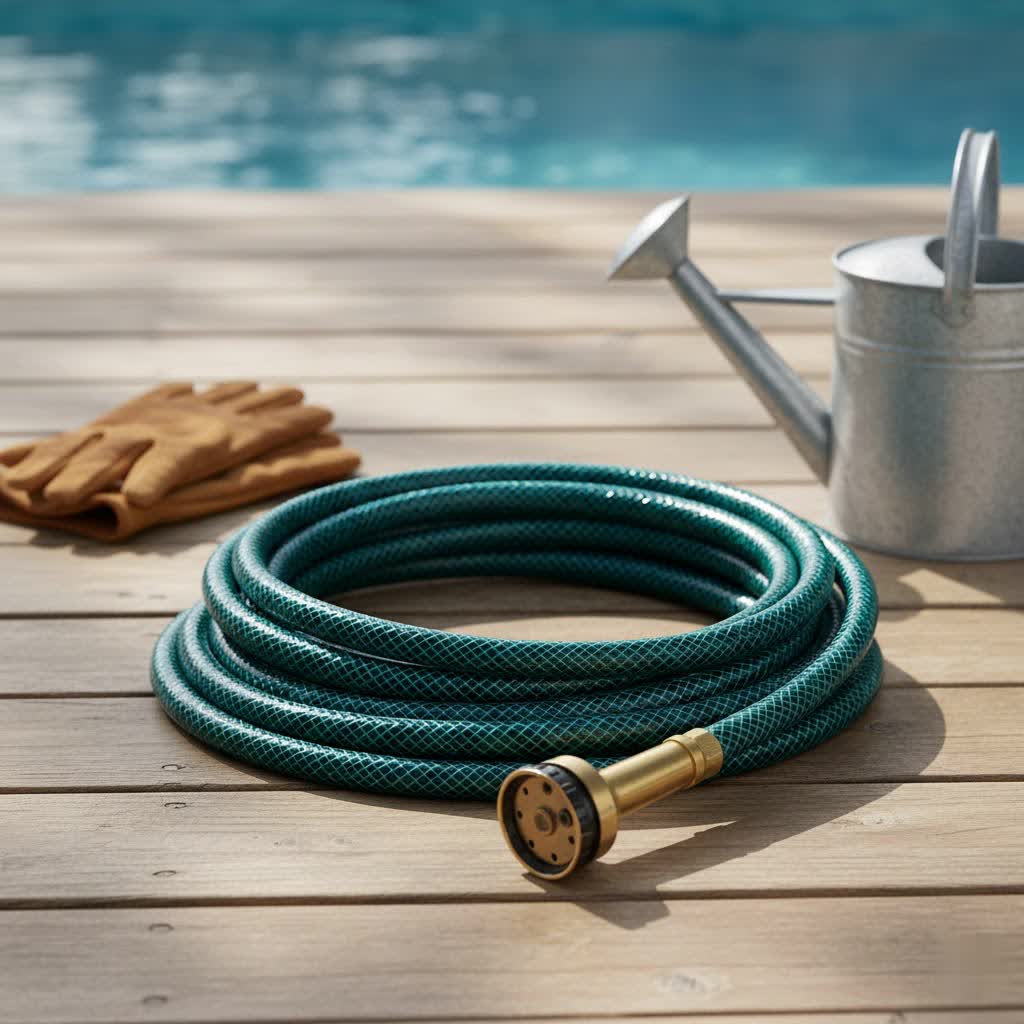
A thriving garden is a source of immense joy, but achieving that lush greenery and vibrant bloom often hinges on one indispensable tool: the garden hose. Far more than a simple tube for water, the right garden hose can improve your watering routine from a frustrating chore into a seamless, efficient process. Yet, navigating the many options—from materials and lengths to features and durability—can be overwhelming. This comprehensive guide is designed to equip you with all the essential information and expert advice needed to select the ideal garden hose for your specific needs, ensuring your plants stay hydrated and your gardening efforts flourish.
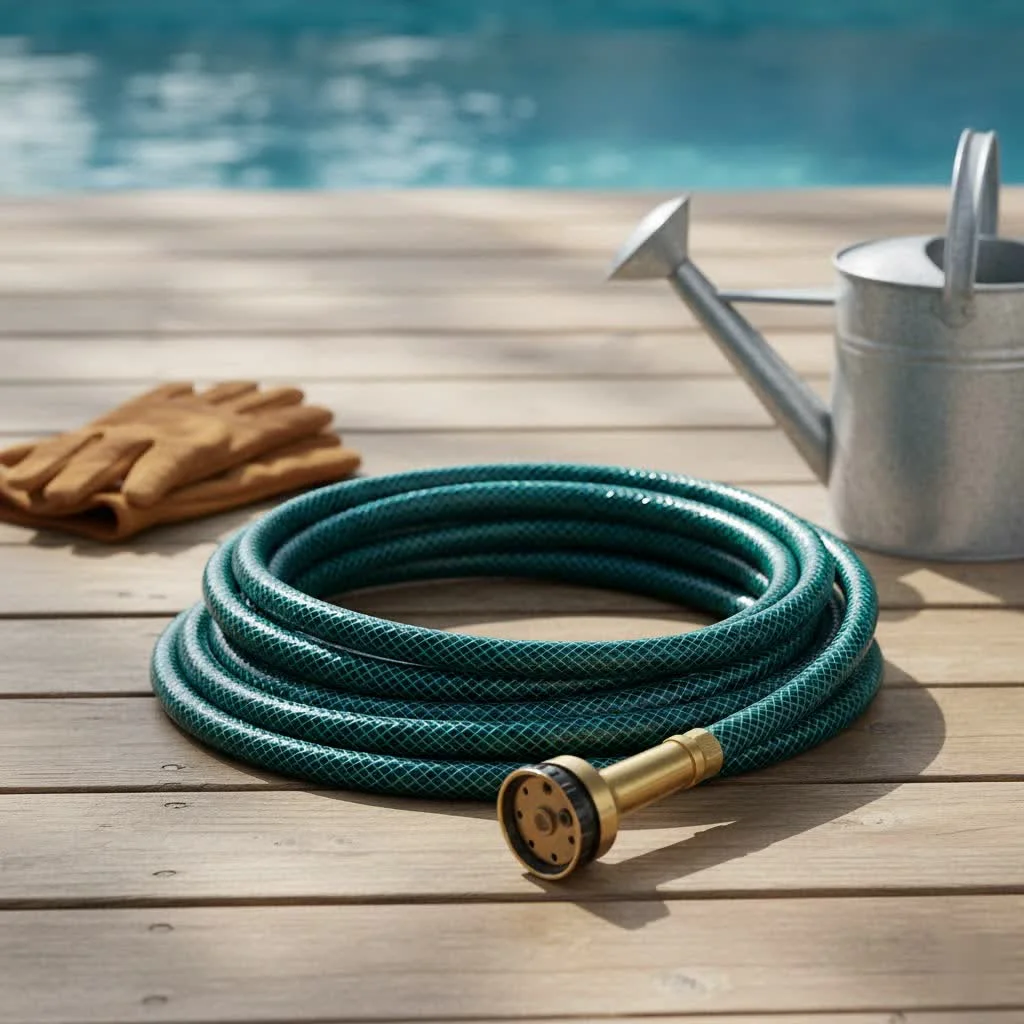
Exploring the Diverse Types of Garden Hoses
The world of garden hoses offers a surprising variety, each designed with unique characteristics to suit different watering tasks and preferences. Understanding these types is the first step toward making an informed choice for your garden.
- Rubber Hoses: Often considered the gold standard for durability and performance, rubber hoses are built to last.
- Pros: Exceptional durability, resistance to kinking, excellent flexibility, and ability to withstand extreme temperatures (hot and cold). They are also often drinking water safe.
- Cons: Tend to be heavier and generally come with a higher price tag.
- PVC (Vinyl) Hoses: These are typically the most common and budget-friendly option found in many garden centers.
- Pros: Lightweight and inexpensive, making them easy to maneuver for light-duty tasks.
- Cons: Prone to kinking, less durable, and have a shorter lifespan. They can also become stiff in cold weather and crack under UV exposure. Many are not safe for drinking water.
- Hybrid Hoses: A popular compromise, hybrid hoses blend PVC and rubber or other synthetic polymers.
- Pros: Offer a good balance of durability and flexibility without the excessive weight or cost of pure rubber. They are often more kink-resistant than pure vinyl.
- Cons: While better than vinyl, they may not match the ultimate longevity of high-quality rubber.
- Expandable Hoses: These innovative hoses grow significantly in length when filled with water and shrink back to a compact size for easy storage.
- Pros: Extremely lightweight, exceptionally easy to store in small spaces, and convenient for quick tasks.
- Cons: Durability can be a concern, with some models being prone to punctures or bursting under high pressure. They require complete draining after use to retract properly.
- Flat Hoses: Designed to lie flat when empty, these hoses are similar in concept to a fire hose, uncoiling and filling when water pressure is applied.
- Pros: Space-saving and easy to store, as they can be wound tightly on a reel.
- Cons: Can be cumbersome to use as they need to unroll completely before water flows freely. They are also susceptible to kinking and generally have weaker water pressure compared to round hoses.
- Soaker Hoses: These hoses are specifically designed for efficient, slow watering directly to the roots. They are made from porous material that “sweats” water.
- Pros: Excellent for water conservation, delivering moisture directly to plant roots, reducing evaporation, and ideal for established beds or vegetable gardens.
- Cons: Not suitable for general watering tasks like washing cars or filling buckets, and can occasionally clog with sediment.
- Metal Hoses: Made from stainless steel or other metals, these hoses are known for their strength and unique appearance.
- Pros: Highly durable, puncture-proof, kink-resistant, and lightweight for their strength.
- Cons: Can be expensive and may heat up in direct sunlight, potentially affecting water temperature.
Comparative Overview of Garden Hose Types
|
Our Picks for the Best Garden Hose in 2026
As an Amazon Associate I earn from qualifying purchases.
|
||
| Num | Product | Action |
|---|---|---|
| 1 | Amazon Basics - Garden Hose, 100ft |

|
| 2 | Flexzilla Garden Hose 5/8 in. x 25 ft., Lightweight All-Weather Water Hose, Durable and Flexible, Leak-Free Connections |
|
| 3 | YAMATIC 100FT 5/8" Garden Hose, 300 PSI Kink-Resistant Water Hose with 360° Swivel Connector & 3/4" Brass GHT Fittings, Flexible All-Weather Outdoor Hose for Yard, Lawn, Garden & Driveway |
|
| 4 | Flexi Hose Expandable Garden Hose with 8 Function Nozzle, 50FT - Lightweight Retractable Garden Hose, Water Hose - No-Kink Flexibility, 3/4 Inch Solid Brass Fittings and Double Latex Core |
|
| 5 | Flexzilla Garden Hose 5/8 in. x 100 ft., Lightweight All-Weather Water Hose, Durable and Flexible, Leak-Free Connections |
|
| 6 | Flexi Hose Expandable Garden Hose with 8 Function Nozzle, 50FT - Lightweight Retractable Garden Hose, Water Hose - No-Kink Flexibility, 3/4 Inch Solid Brass Fittings and Double Latex Core |
|
| 7 | Nilight RV Water Hose 100FT Garden Drinking Hoses with Storage Bag Leakproof Anti-Kink 5/8" Inner Diameter Flexible Lightweight Freshwater Hose for RVs Campers Travel Trailer Boat Car Wash Accessories |
|
| 8 | Flexzilla Garden Hose 5/8 in. x 50 ft., Lightweight All-Weather Water Hose, Durable and Flexible, Leak-Free Connections |
|
| 9 | Easy to Use Garden Hose 100 FT, Lightweight and Leak-Proof Heavy-Duty Flexible Water Hose 100FT with Reinforced TPE Core, 3/4" Solid Brass Fittings, Ultra-Flow Manguera Para Jardin, Built to Last |
|
| 10 | Flexi Hose Expandable Garden Hose with 8 Function Nozzle, 100FT - Lightweight Retractable Garden Hose, Water Hose - No-Kink Flexibility, 3/4 Inch Solid Brass Fittings and Double Latex Core |
|
Choosing the right material is paramount. Here’s a quick comparison to help you weigh your options:
| Hose Type | Material | Durability | Price | Key Advantages | Key Disadvantages |
|---|---|---|---|---|---|
| Rubber | Pure Rubber | High | High | Extremely durable, flexible, kink-resistant | Heavy, expensive |
| PVC (Vinyl) | PVC Plastic | Low-Medium | Low | Lightweight, affordable | Prone to kinks, less durable, UV-sensitive |
| Hybrid | PVC/Rubber Blend | Medium-High | Medium | Good balance of durability, flexibility, and cost | Not as robust as pure rubber |
| Expandable | Latex/Fabric | Medium | Medium | Lightweight, compact storage, expands significantly | Variable durability, can burst, requires draining |
| Flat | Fabric-reinforced | Medium | Low-Medium | Space-saving, easy to coil | Kink-prone, lower pressure, unwieldy when full |
| Soaker | Porous Rubber/Fabric | Medium | Medium | Water-efficient, root-zone watering | Low pressure, limited use, can clog |
| Metal | Stainless Steel | Very High | High | Puncture-proof, kink-resistant, lightweight | Can be expensive, water can heat up |
How to Select the Perfect Garden Hose
With many types available, making the final selection requires careful consideration of your specific needs and priorities.
1. Define Your Usage Needs
Before anything else, consider how you’ll primarily use your garden hose. Are you watering a small patio garden, a sprawling lawn, or a vegetable patch? Will you be washing your car, cleaning outdoor furniture, or perhaps filling a kiddie pool?
- Light-duty tasks: A lightweight vinyl or expandable hose might suffice.
- Heavy-duty tasks: For pressure washing, commercial use, or frequent dragging, a robust rubber or hybrid hose is ideal.
- Specific watering: A soaker hose is perfect for efficient, targeted irrigation of garden beds.
2. Choose the Right Material
As detailed above, the material significantly impacts a hose’s performance and longevity.
- For maximum durability and kink resistance, invest in a high-quality rubber or metal hose.
- For lightness and ease of storage, consider expandable or flat hoses, but be mindful of their potential durability trade-offs.
- For a good all-rounder at a reasonable price, a hybrid hose is often an excellent choice.
3. Determine the Optimal Length
It’s tempting to buy the longest hose available, but this can lead to unnecessary weight, storage issues, and even reduced water pressure.
- Measure your garden: Determine the farthest point you need to reach from your spigot.
- Add a little extra: Account for navigating around obstacles.
- Avoid excessive length: Longer hoses mean more water to fill, more weight to drag, and a greater chance of pressure drop. If you occasionally need extra length, consider buying two shorter hoses and connecting them when required. Common lengths range from 25 to 100 feet.
4. Consider Hose Diameter
The diameter of your hose affects water flow. Standard diameters are 1/2 inch, 5/8 inch, and 3/4 inch.
- 1/2-inch: Lighter and less expensive, suitable for small gardens or light watering where high pressure isn’t critical.
- 5/8-inch: The most common and versatile choice, offering a good balance of water flow and manageability for most home gardening tasks.
- 3/4-inch: Provides the highest water flow and pressure, best for large areas, filling pools quickly, or using sprinklers that require more volume. However, these hoses are significantly heavier and less flexible.
5. Inspect Quality and Fittings
Don’t overlook the details that contribute to a hose’s overall quality.
- Ply: Many hoses indicate their “ply,” or number of layers, with higher ply generally indicating greater burst strength and kink resistance.
- Flexibility: A hose that is too stiff will be hard to coil and prone to kinking. Look for materials that remain pliable.
- Fittings/Couplings: These are often the first points of failure. Brass fittings are superior to plastic, offering better durability, corrosion resistance, and a more secure connection. Look for crush-proof brass fittings. Some hoses also feature reinforcement near the coupling to prevent kinking at the faucet.
6. Reputable Brands
While specific models change frequently, some brands consistently receive high marks for quality and innovation in garden hoses. Brands like Flexzilla, Eley, Craftsman, Zero-G, and Dramm are frequently cited in reviews for their durable and kink-resistant offerings. Researching current top-rated models from these manufacturers can guide your decision.
Top Garden Hose Brands for Reliability
When it comes to selecting a garden hose that stands the test of time and performs reliably, certain brands consistently rise to the top, recognized for their quality, innovation, and customer satisfaction.
- Flexzilla: Renowned for its hybrid polymer material, Flexzilla hoses are celebrated for their extreme flexibility and kink-resistant properties, making them very easy to maneuver and store. Many models are also safe for drinking water.
- Eley: Often considered a premium brand, Eley offers heavy-duty polyurethane hoses known for exceptional durability, kink resistance, and long warranties. They are a significant investment but built to last.
- Craftsman: A long-standing name in tools, Craftsman offers a range of garden hoses, with their premium rubber hoses frequently praised for robust construction and good performance under demanding conditions.
- Zero-G (Teknor Apex): These hoses are celebrated for being incredibly lightweight, highly flexible, and compact, making them easy to handle and store. They often feature durable G-Force fiber jackets.
- Dramm ColorStorm: Known for their vibrant colors and durable rubber construction, Dramm hoses offer excellent flexibility and resilience, making them a favorite among serious gardeners.
- Stanley FatMax: Offering heavy-duty construction, Stanley FatMax hoses are designed for professional-grade use, providing excellent burst strength and resistance to kinking and abrasion.
Essential Tips for Using and Maintaining Your Garden Hose
Even the highest quality garden hose will only perform its best and last its longest with proper care. Incorporating these simple tips into your routine can significantly extend its lifespan and prevent common frustrations.
- Drain After Each Use: Never leave water standing in your hose, especially in freezing temperatures. Emptying the hose prevents damage from ice expansion and inhibits the growth of algae or bacteria.
- Coil Neatly and Store Properly: Avoid haphazardly throwing your hose into a pile, which can lead to permanent kinks and weak spots. Instead, coil it loosely into large circles. Using a hose reel, hanger, or decorative pot keeps it organized, protected, and kink-free.
- Protect from Direct Sunlight: UV rays can degrade hose materials (especially vinyl and rubber) over time, leading to brittleness, cracking, and a shorter lifespan. Store your hose in a shaded area, a garage, or a shed when not in use.
- Avoid Excessive Water Pressure: While hoses are designed to handle pressure, consistently running water at maximum pressure or leaving a hose pressurized for extended periods when not in use can stress the material and fittings, leading to leaks or bursts.
- Regular Cleaning: Periodically flush your hose by running water through both ends to remove any sediment or debris that may have built up inside. For stubborn clogs, a mixture of white vinegar and baking soda followed by a thorough rinse can help. Clean nozzles and sprayers regularly to prevent mineral buildup.
- Handle with Care: Avoid dragging your hose across sharp rocks, concrete edges, or pulling it tightly around corners, which can cause abrasions and damage the outer casing.
Troubleshooting Common Garden Hose Problems
Even with the best care, garden hoses can encounter issues. Knowing how to diagnose and fix common problems can save you time, money, and frustration.
Hose is Kinked or Tangled
This is perhaps the most universal garden hose annoyance, restricting water flow and making watering difficult.
- Prevention: Invest in a kink-resistant hose (often found in rubber or hybrid materials). Always coil your hose properly after use, ideally on a reel or hanger.
- Fix: For minor kinks, lay the hose straight in the sun; the warmth can help the material relax. Gently massage stubborn kinks while running warm water through the hose.
Leaky Connections or Fittings
Leaks are wasteful and reduce water pressure.
- Diagnosis: Inspect the rubber washer inside the female end of the hose connecting to the spigot or nozzle.
- Fix: Replace worn or missing washers. Keep a supply of spare washers on hand. For persistent leaks, apply plumber’s tape (Teflon tape) around the threads of the male connector before attaching the hose. If the fitting itself is cracked, you may need a hose repair coupling to cut out the damaged section and reconnect.
Low Water Pressure or Blocked Flow
If your hose isn’t delivering the expected water flow, a blockage might be the culprit.
- Diagnosis: Check for kinks in the hose. Inspect the nozzle for clogs (sediment, mineral buildup). Disconnect the hose and check for debris near the spigot or inside the hose ends.
- Fix: Flush the hose by running water through both ends. For stubborn clogs, a plumber’s snake or a flexible wire can help dislodge debris. Soaking a clogged nozzle in a vinegar solution can dissolve mineral buildup.
Hose is Aging or Cracked
Over time, especially with exposure to sun and harsh elements, hose materials can degrade.
- Prevention: Follow the maintenance tips above, particularly storing the hose out of direct sunlight and draining it after use.
- Fix: Small cracks can sometimes be repaired with a hose repair kit, but significant cracking or brittleness usually indicates it’s time for a replacement. Trying to mend extensively damaged hoses often leads to recurring problems.
“A well-chosen garden hose isn’t just a tool; it’s an investment in the health of your garden and the ease of your gardening experience. Don’t underestimate the impact of quality and proper care.” – Admin, Reviewotos.com, Garden Hose Technician
Conclusion
Choosing the right garden hose doesn’t have to be a complex task. By understanding the different types available, considering your specific needs, and paying attention to key features like material, length, diameter, and fitting quality, you can confidently select a hose that will serve your garden well for years to come. that proper usage and consistent maintenance are equally important to maximize your hose’s lifespan and ensure it remains a reliable companion in your gardening journey. Make a smart decision, and your garden will thank you with vibrant life and beauty.
What aspects of garden hose maintenance do you find most challenging in your own garden?
Frequently Asked Questions
How can I prevent my garden hose from kinking?
To prevent kinking, invest in a hose made from flexible, kink-resistant materials like hybrid polymer or reinforced rubber. Always uncoil and coil your hose properly after use, and consider using a hose reel or hanger to maintain its shape during storage. Avoid dragging the hose around sharp corners, which can stress the material.
How long should a good quality garden hose last?
With proper care and maintenance, a high-quality garden hose made from durable materials like rubber or a good hybrid can last anywhere from 5 to 10 years, or even longer. Cheaper vinyl hoses typically have a shorter lifespan, often only lasting 1-3 years before showing signs of wear or cracking.
Is it safe to drink water from a garden hose?
Generally, it is not recommended to drink water directly from a standard garden hose. Many hoses are made with PVC and other materials that can leach chemicals like lead, BPA, and phthalates into the water, especially when the hose has been sitting in the sun. If you need a hose for potable water, look for models specifically labeled “drinking water safe” or “NSF certified.”
Get our weekly buyer guide
Practical specs, not advice. Unsubscribe anytime.

I’ve always struggled with kink-free hoses, but the silicone hose recommendation in the guide was a game-changer. It’s so much lighter and easier to maneuver around my flower beds without getting tangled. My old rubber hose was a nightmare, constantly kinking and making watering a chore. This new one has made gardening so much more enjoyable.
The section on hose materials was really helpful. I was debating between a vinyl and a hybrid hose, and the breakdown of pros and cons helped me decide on a hybrid. It feels much more durable than my previous cheap vinyl hose, and I’m hoping it lasts longer. The flexibility is also a huge plus when I’m watering the far corners of my yard.
I appreciate the tips on proper storage, but even with careful coiling, my new expandable hose still seems to get a bit tangled. It’s great for saving space, but I was hoping for something completely hassle-free. Maybe I just need more practice, but it’s not as smooth as I’d hoped when I pull it out for daily use.
Finally, a guide that explains hose fittings properly! I always just bought whatever was cheapest, but understanding the different types of connectors and their benefits has made a huge difference. My new brass fittings don’t leak at all, which was a constant frustration with my old plastic ones. It’s the little things that make a big impact.