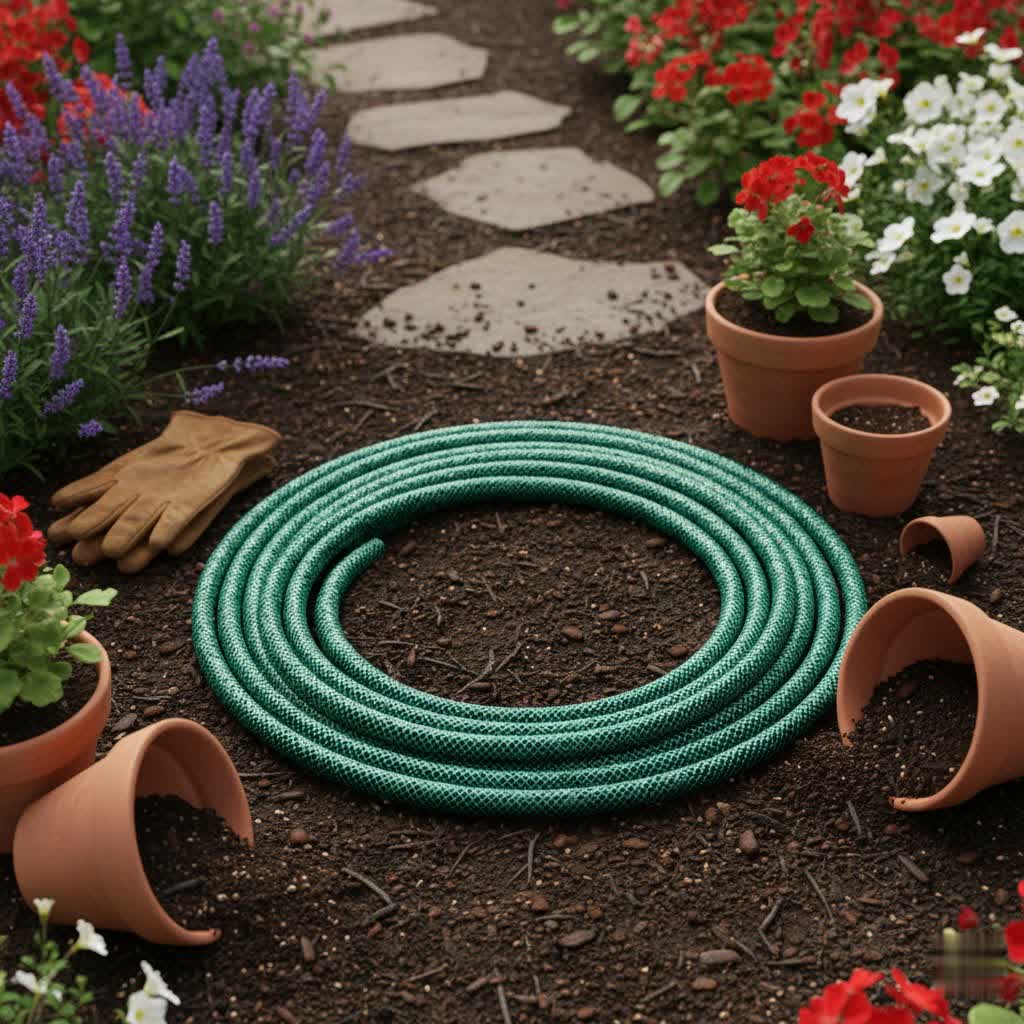
A tangled garden hose can quickly turn a beautiful outdoor space into a frustrating mess. Not only is it an eyesore, but a hose left haphazardly on the ground can also become a tripping hazard and is more prone to kinks, cracks, and premature wear. Choosing the right garden hose hanger is a simple yet effective solution to these common problems, offering both practical organization and enhanced longevity for your watering tool. This comprehensive guide will walk you through everything you need to know about selecting, installing, and maintaining the perfect garden hose hanger for your home.
Understanding the Different Types of Garden Hose Hangers
Garden hose hangers come in various designs, each offering unique benefits to suit different needs and outdoor aesthetics. Understanding these types is the first step in finding your ideal storage solution.
Wall-Mounted Hose Hangers
Wall-mounted hangers are a popular choice for their space-saving design and ability to keep hoses neatly coiled against a house or shed. They typically consist of a sturdy bracket or hook that attaches directly to a vertical surface.
- Pros: Excellent for smaller spaces, keeps hoses off the ground, often very durable depending on material.
- Cons: Requires drilling and proper installation, fixed location.
Freestanding Hose Hangers
These hangers offer flexibility, as they don’t require permanent installation. They usually feature a stake or a heavy base that allows them to be placed anywhere in your yard or garden where the ground is suitable.
- Pros: Portable, no installation required, easy to relocate as needed.
- Cons: Can be less stable than wall-mounted options, may tip over in soft soil or with very heavy hoses, takes up ground space.
Decorative Hose Hangers
For those who prioritize aesthetics, decorative hangers blend functionality with visual appeal. These often feature intricate designs, unique materials like wrought iron, or artistic motifs that complement your garden’s decor.
- Pros: Enhances outdoor aesthetics, can be a focal point in your garden.
- Cons: Often pricier than basic hangers, design might sometimes compromise on maximum hose capacity or sheer durability compared to purely utilitarian options.
Hose Pot and Cabinet Style Holders
While distinct from traditional hangers, hose pots and cabinets offer a concealed storage solution. Hoses are coiled inside a decorative pot or a small, enclosed cabinet, keeping them completely out of sight.
- Pros: Hides the hose completely, protects the hose from UV damage and elements, can double as a decorative planter or small table.
- Cons: Can be heavy to move, may require more effort to coil and uncoil the hose, generally more expensive.
Comprehensive Comparison of Garden Hose Hanger Types
Making an informed decision often means weighing the pros and cons side-by-side. Here’s a detailed comparison to help you choose:
| Type of Hanger | Material Examples | Durability | Price Range | Advantages | Disadvantages |
|---|---|---|---|---|---|
| Wall-Mounted | Steel, Aluminum, Cast Iron, Heavy-duty plastic | High | Low to Medium | Space-saving, very stable, keeps hose off ground, durable. | Requires installation, fixed location, visible hose. |
| Freestanding | Steel, Wrought Iron | Medium to High | Medium | Portable, no installation needed, can be moved freely. | Less stable than wall-mounted, can tip over, takes up ground space, visible hose. |
| Decorative | Cast Iron, Brass, Copper, Artistic Metalwork | Medium to High | Medium to High | Aesthetically pleasing, adds to garden decor, functional art. | Often more expensive, design may prioritize looks over maximum utility, visible hose. |
| Hose Pot/Cabinet | Resin, Terracotta, Copper, Wood | High | High | Completely conceals and protects hose, can be multi-functional. | Heavy, more expensive, less convenient for quick hose access, takes up ground space. |
How to Choose the Perfect Garden Hose Hanger
Selecting the best garden hose hanger involves more than just picking one that looks nice. Consider these crucial factors to ensure it meets your specific needs.
Determining Your Usage Needs
|
Our Picks for the Best Garden Hose in 2026
As an Amazon Associate I earn from qualifying purchases.
|
||
| Num | Product | Action |
|---|---|---|
| 1 | Flexi Hose Expandable Garden Hose with 8 Function Nozzle, 50FT - Lightweight Retractable Garden Hose, Water Hose - No-Kink Flexibility, 3/4 Inch Solid Brass Fittings and Double Latex Core |

|
| 2 | YAMATIC 100FT 5/8" Garden Hose, 300 PSI Kink-Resistant Water Hose with 360° Swivel Connector & 3/4" Brass GHT Fittings, Flexible All-Weather Outdoor Hose for Yard, Lawn, Garden & Driveway |
|
| 3 | Amazon Basics - Garden Hose, 100ft |
|
| 4 | Flexzilla Garden Hose 5/8 in. x 100 ft., Lightweight All-Weather Water Hose, Durable and Flexible, Leak-Free Connections |
|
| 5 | Flexi Hose Expandable Garden Hose with 8 Function Nozzle, 100FT - Lightweight Retractable Garden Hose, Water Hose - No-Kink Flexibility, 3/4 Inch Solid Brass Fittings and Double Latex Core |
|
| 6 | Nilight RV Water Hose 100FT Garden Drinking Hoses with Storage Bag Leakproof Anti-Kink 5/8" Inner Diameter Flexible Lightweight Freshwater Hose for RVs Campers Travel Trailer Boat Car Wash Accessories |
|
| 7 | Flexi Hose Expandable Garden Hose with 8 Function Nozzle, 50FT - Lightweight Retractable Garden Hose, Water Hose - No-Kink Flexibility, 3/4 Inch Solid Brass Fittings and Double Latex Core |
|
| 8 | Easy to Use Garden Hose 100 FT, Lightweight and Leak-Proof Heavy-Duty Flexible Water Hose 100FT with Reinforced TPE Core, 3/4" Solid Brass Fittings, Ultra-Flow Manguera Para Jardin, Built to Last |
|
| 9 | Flexzilla Garden Hose 5/8 in. x 25 ft., Lightweight All-Weather Water Hose, Durable and Flexible, Leak-Free Connections |
|
| 10 | Flexzilla Garden Hose 5/8 in. x 50 ft., Lightweight All-Weather Water Hose, Durable and Flexible, Leak-Free Connections |
|
First, assess the practical aspects of your gardening. How long is your garden hose? Most hangers are designed to accommodate specific hose lengths, typically from 50 to 150 feet. A hanger too small for your hose will result in it hanging awkwardly or falling off. Also, consider the hose’s material and weight; heavy rubber hoses require more robust support than lightweight expandable hoses. Do you need to move the hose frequently, or will it remain in one spot? This will help you decide between a portable freestanding unit and a fixed wall-mounted one.
Material Matters: Durability and Longevity
The material of your hose hanger directly impacts its durability and resistance to the elements.
- Steel: Often powder-coated for rust resistance, steel offers excellent strength and can support heavy hoses. Galvanized steel is also a good option for rust prevention.
- Aluminum: Lightweight and inherently rust-resistant, aluminum is a great choice if you need a hanger that is easy to move (for freestanding models) or want to avoid rust stains on your wall.
- Cast Iron/Wrought Iron: Known for their heavy-duty construction and often decorative designs, these materials are extremely durable but can be very heavy and prone to rust if not properly coated or maintained.
- Heavy-Duty Plastic/Resin: Affordable and rust-proof, plastic hangers are lightweight but may not offer the same level of long-term durability or capacity as metal options, especially when exposed to harsh UV rays.
Size and Capacity: A Perfect Fit
Beyond just the length, consider the diameter of your hose. A wider diameter hose will take up more space when coiled. The hanger should have ample room to hold your hose without forcing it into tight loops, which can lead to kinking and damage. Ensure the hanger’s design allows for easy coiling and uncoiling.
Design and Aesthetics: Blending with Your Landscape
Your garden hose hanger doesn’t have to be a purely utilitarian object. Many designs enhance your outdoor decor, from sleek minimalist styles to elaborate, decorative pieces. Choose a color and style that complements your home’s exterior and garden theme.
Installation Type: Wall-Mounted vs. Freestanding
- Wall-Mounted: If you have a suitable exterior wall (e.g., house, shed, garage) near your spigot, a wall-mounted hanger is an excellent space-saving option. Ensure the mounting surface is strong enough to support the hanger plus the weight of a full hose (which can be substantial).
- Freestanding: For areas without a convenient wall, or if you prefer flexibility, a freestanding hanger is ideal. Look for models with sturdy bases or ground stakes that provide good stability against wind and the weight of the hose.
Brand Reputation: Quality You Can Trust
While specific brand names might not be the primary focus, choosing products from manufacturers known for quality garden tools can offer peace of mind. Brands like Liberty Garden, Gardena, and Yard Butler are often recognized for producing durable and reliable garden accessories. Look for products with positive user reviews that highlight longevity and functionality.
Top Tips for Using and Maintaining Your Garden Hose Hanger
Proper use and maintenance are key to maximizing the life of both your hose hanger and your garden hose.
- Avoid Direct Sunlight: Prolonged exposure to harsh UV rays can degrade hose materials and fade the finish of your hanger. Position your hanger in a shaded area if possible, or opt for UV-resistant materials.
- Coil Neatly: Always coil your hose loosely and evenly around the hanger after each use. This prevents kinks, reduces strain on the hose, and helps maintain its shape. Avoid sharp bends that can lead to permanent damage.
- Drain Water: Before coiling, try to drain as much water as possible from the hose. This is especially important in colder climates to prevent freezing and cracking during winter.
- Regular Cleaning: Periodically wipe down your hanger to remove dirt, grime, and any accumulated moisture. For metal hangers, this can help prevent rust.
- Inspect Connections: Regularly check the connection points of your hose to the faucet and nozzle for any leaks or damage. A hanger keeps the hose off the ground, reducing the chances of physical damage.
- Winter Storage: In freezing temperatures, consider storing your hose indoors, even if your hanger is designed for outdoor use. This extends the life of both items. If the hanger is removable, bring it inside too.
Common Issues with Garden Hose Hangers and Troubleshooting
Even with the best hangers, you might encounter minor issues. Here’s how to address them:
Hanger Becoming Loose or Unstable
- Wall-Mounted: If your wall-mounted hanger feels wobbly, check the mounting screws. Over time, vibration or heavy use can loosen them. Tighten them carefully. If the holes in the wall are stripped, you might need to use larger screws or wall anchors, or move the hanger slightly to a new, more secure spot. Ensure it’s properly anchored into a wall stud for wooden surfaces or using appropriate masonry anchors for brick or concrete.
- Freestanding: A freestanding hanger becoming unstable often indicates soft soil or an uneven surface. Re-stake the hanger firmly into the ground, perhaps in a different spot with denser soil, or reinforce the base with additional weight or stakes.
Rust or Corrosion on Metal Hangers
Rust is a common issue for metal hangers, especially if they are not made from rust-resistant materials or their protective coating wears off.
- Troubleshooting: Light rust can often be removed with a wire brush and then treated with a rust-inhibiting primer and paint. For severe rust, consider replacing the hanger. To prevent future rust, ensure the hanger is kept as dry as possible and consider applying a clear protective sealant periodically.
Hose Damage from Hanger Design
While rare with well-designed hangers, sometimes a poorly designed hanger can contribute to hose damage. Sharp edges or tight curves can pinch or wear down the hose over time.
- Troubleshooting: Inspect the contact points between the hose and the hanger. If you find sharp edges, you might be able to file them smooth. For tight curves, ensure you are not over-coiling the hose or consider a hanger with a more open, gentle curve.
Conclusion
A well-chosen garden hose hanger is an unsung hero of outdoor organization, transforming messy hoses into neat, accessible tools. By understanding the different types available, prioritizing durable materials, and considering your specific needs, you can select a hanger that not only keeps your yard tidy but also extends the life of your valuable garden hose. From robust wall-mounted options to flexible freestanding designs and aesthetically pleasing decorative choices, there’s a perfect hanger out there for every gardener. Investing in the right hanger is a small step that yields significant benefits, ensuring your garden remains both beautiful and functional.
What kind of garden hose hanger would best suit your current outdoor space and daily watering routine?
Frequently Asked Questions
What is the ideal height to mount a garden hose hanger?
The ideal height for a wall-mounted garden hose hanger is typically around waist height, approximately 3 to 4 feet (90-120 cm) from the ground. This makes it comfortable to coil and uncoil the hose without excessive bending or reaching, ensuring easy access for most users.
Can I install a garden hose hanger on a brick wall?
Yes, you can install a garden hose hanger on a brick wall. You will need a hammer drill, a masonry drill bit of the correct size, and appropriate wall anchors designed for masonry. Always drill into the brick itself, not the mortar, for the most secure attachment.
How much hose can a standard garden hose hanger hold?
Most standard garden hose hangers are designed to hold hoses ranging from 50 to 150 feet in length. Heavy-duty models can often accommodate up to 200 feet. Always check the product specifications for the exact capacity to ensure it matches your hose length and weight.
Are freestanding garden hose hangers stable?
Freestanding garden hose hangers can be very stable if they have a wide, heavy base or are equipped with strong ground stakes that penetrate deeply into the soil. Stability can vary by model and ground conditions, so look for reinforced designs if you have a particularly long or heavy hose.
How do I prevent my hose from kinking on the hanger?
To prevent kinks, always coil your hose loosely in large loops, avoiding sharp bends, and ensure it’s not twisted before you begin coiling. Many hangers feature a gentle, wide curve design to help facilitate natural coiling and reduce the chance of kinks.
Get our weekly buyer guide
Practical specs, not advice. Unsubscribe anytime.
