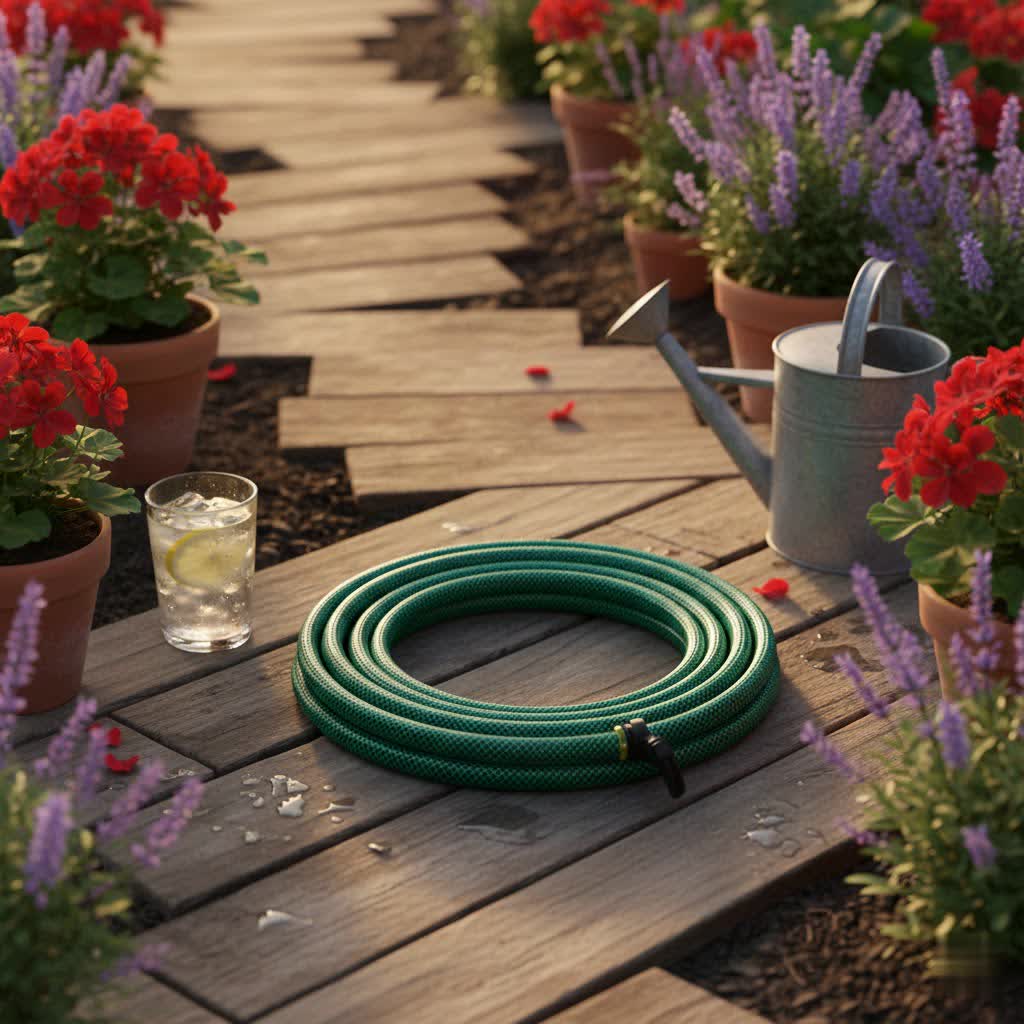
A thriving garden, a sparkling clean car, or a refreshed patio—what do these all have in common? A reliable garden water hose. Often overlooked as a simple utility, the right hose is a foundational tool for countless outdoor tasks, significantly impacting your efficiency and enjoyment. But with a dizzying array of options, navigating the market can feel overwhelming, leading to frustration from kinks, leaks, or premature wear. This comprehensive guide will equip you with the knowledge to select the perfect garden hose for your needs and keep it performing optimally for years to come.
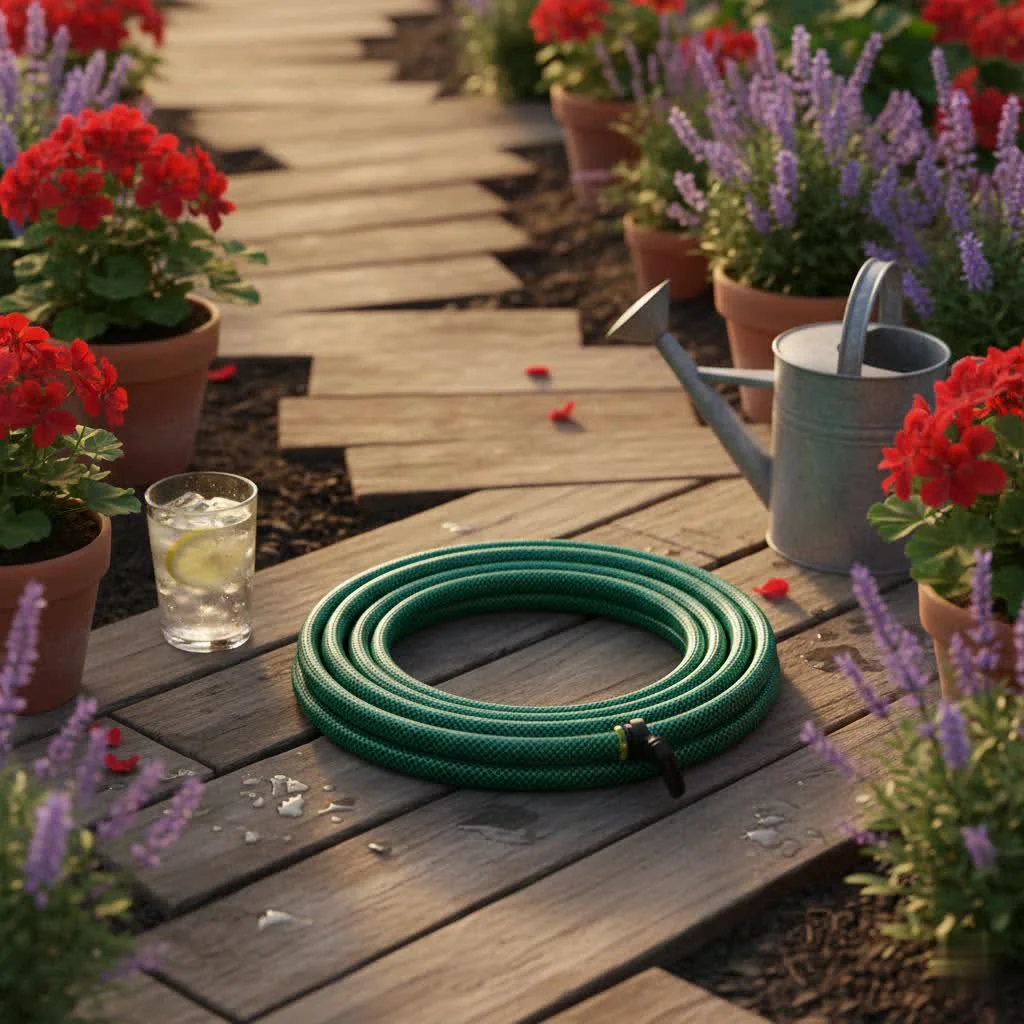
Common Types of Garden Water Hoses
Understanding the different types of garden hoses available is the first step toward making an informed decision. Each type offers unique advantages and disadvantages tailored to specific uses and preferences.
- Rubber Hoses: Renowned for their exceptional durability and flexibility, rubber hoses are built to last. They resist kinking, cracking, and abrasion, performing well in various weather conditions. However, their robust construction often makes them heavier and more expensive than other options.
- Vinyl (PVC) Hoses: Lightweight and budget-friendly, vinyl hoses are a popular choice for light-duty tasks. They are easy to maneuver, but often lack the durability of rubber, being more prone to kinking, cracking, and UV damage, which can shorten their lifespan. Reinforced vinyl hoses offer improved durability.
- Expandable Hoses: These innovative hoses expand significantly when filled with water and retract to a compact size when drained, making them incredibly lightweight and easy to store. While convenient for small spaces and light watering, their stretchy fabric and inner latex core can be less durable and susceptible to punctures or bursting under high pressure.
- Flat Hoses: Similar to fire hoses, flat hoses lie flat when empty and round out when pressurized. They are excellent for saving space and can be easy to store, but they tend to have lower water pressure and can be prone to kinking if not fully unrolled before use.
- Soaker Hoses: Designed for efficient, targeted watering, soaker hoses are porous, allowing water to slowly seep out along their entire length. This method delivers water directly to plant roots, minimizing evaporation and water waste, making them ideal for garden beds and vegetable rows. However, they can be prone to clogging.
- Metal Hoses: Made from stainless steel or other durable metals, these hoses are exceptionally resistant to kinks, punctures, and abrasions. They are often lightweight for their strength and can withstand harsh sun exposure. A potential drawback is that they can become hot to the touch in direct sunlight.
- Coil Hoses: These hoses automatically retract into a compact coil, offering convenient storage for small areas like patios or balconies. While lightweight and easy to manage for quick tasks, they typically have a smaller diameter, resulting in lower water flow, and can sometimes snag on obstacles.
Comparing Popular Garden Hose Types
|
Our Picks for the Best Garden Hose in 2026
As an Amazon Associate I earn from qualifying purchases.
|
||
| Num | Product | Action |
|---|---|---|
| 1 | Flexi Hose Expandable Garden Hose with 8 Function Nozzle, 100FT - Lightweight Retractable Garden Hose, Water Hose - No-Kink Flexibility, 3/4 Inch Solid Brass Fittings and Double Latex Core |

|
| 2 | Flexi Hose Expandable Garden Hose with 8 Function Nozzle, 50FT - Lightweight Retractable Garden Hose, Water Hose - No-Kink Flexibility, 3/4 Inch Solid Brass Fittings and Double Latex Core |
|
| 3 | Flexzilla Garden Hose 5/8 in. x 100 ft., Lightweight All-Weather Water Hose, Durable and Flexible, Leak-Free Connections |
|
| 4 | Easy to Use Garden Hose 100 FT, Lightweight and Leak-Proof Heavy-Duty Flexible Water Hose 100FT with Reinforced TPE Core, 3/4" Solid Brass Fittings, Ultra-Flow Manguera Para Jardin, Built to Last |
|
| 5 | YAMATIC 100FT 5/8" Garden Hose, 300 PSI Kink-Resistant Water Hose with 360° Swivel Connector & 3/4" Brass GHT Fittings, Flexible All-Weather Outdoor Hose for Yard, Lawn, Garden & Driveway |
|
| 6 | Amazon Basics - Garden Hose, 100ft |
|
| 7 | Flexi Hose Expandable Garden Hose with 8 Function Nozzle, 50FT - Lightweight Retractable Garden Hose, Water Hose - No-Kink Flexibility, 3/4 Inch Solid Brass Fittings and Double Latex Core |
|
| 8 | Nilight RV Water Hose 100FT Garden Drinking Hoses with Storage Bag Leakproof Anti-Kink 5/8" Inner Diameter Flexible Lightweight Freshwater Hose for RVs Campers Travel Trailer Boat Car Wash Accessories |
|
| 9 | Flexzilla Garden Hose 5/8 in. x 50 ft., Lightweight All-Weather Water Hose, Durable and Flexible, Leak-Free Connections |
|
| 10 | Flexzilla Garden Hose 5/8 in. x 25 ft., Lightweight All-Weather Water Hose, Durable and Flexible, Leak-Free Connections |
|
To help you visualize the differences, here’s a quick comparison of some leading hose types:
| Type | Material | Durability | Price | Pros | Cons |
|---|---|---|---|---|---|
| Rubber | Rubber | High | High | Durable, flexible, kink-resistant | Heavy, more expensive |
| Vinyl (PVC) | PVC/Vinyl | Medium | Low | Lightweight, affordable, easy to store | Prone to kinks, cracks, UV damage |
| Expandable | Latex/Fabric | Low-Medium | Medium | Lightweight, compact storage, flexible | Less durable, can burst, lower pressure |
| Metal | Stainless Steel | Very High | High | Kink/puncture-proof, durable | Can get hot, more expensive |
| Soaker | Porous Rubber/Vinyl | Medium | Medium | Water-efficient, root-level watering | Low pressure, can clog, not for spraying |
| Coil | Polyurethane/PVC | Medium | Medium | Compact storage, lightweight for quick tasks | Lower water flow, can snag |
How to Choose the Perfect Garden Water Hose
Selecting the right hose involves considering several key factors to match your gardening habits and property layout. Don’t simply grab the cheapest or longest option; a thoughtful choice will pay dividends in convenience and longevity.
- Assess Your Watering Needs: Start by evaluating the size of your garden or the area you need to water. Do you have a small patio with potted plants or a sprawling lawn with distant flower beds? Consider the types of plants you’re watering; delicate seedlings might require a gentle shower, while established shrubs can handle a stronger stream.
- Choose the Right Material: As explored above, material significantly impacts a hose’s performance and lifespan. For heavy-duty use and maximum durability, rubber or metal hoses are excellent. If lightweight handling and affordability are priorities for lighter tasks, reinforced vinyl or expandable hoses might be suitable.
- Determine the Ideal Length: Measure the distance from your water spigot to the furthest point you’ll need to reach, adding a few extra feet for maneuverability around obstacles. Common lengths range from 25 feet to 100 feet or more. A hose that’s too short is frustrating, while one that’s excessively long can be cumbersome, heavy, and difficult to store.
- Select the Appropriate Diameter: Hose diameters typically come in 1/2-inch, 5/8-inch, and 3/4-inch. A larger diameter hose delivers a greater volume of water per minute, which is beneficial for large areas or when filling buckets quickly. The 5/8-inch diameter is the most common and suitable for most general gardening tasks, offering a good balance of flow and manageable weight.
- Inspect Fittings and Couplings: The quality of the fittings, which connect the hose to the spigot and accessories, is crucial. Brass fittings are generally more durable and corrosion-resistant than plastic ones. Look for sturdy, crush-resistant connections that are easy to tighten and loosen, ideally with ergonomic grips.
- Prioritize Kink Resistance: A hose that constantly kinks is a source of endless frustration. Many quality hoses are designed with anti-kink technology, often involving multiple layers or specific materials. Check product descriptions and reviews for “kink-resistant” claims.
- Consider Burst Pressure (PSI): The PSI rating indicates the maximum water pressure a hose can withstand before bursting. While typical residential water pressure is around 45-80 PSI, choosing a hose with a higher burst strength (e.g., 200-600 PSI) provides a greater margin of safety and durability, especially if you have higher home water pressure.
- Drinking Water Safety: If you plan to use your hose to fill pet bowls, children’s pools, or for any potable water use, look for hoses explicitly labeled as “drinking water safe” or “lead-free.”
Popular Garden Hose Brands to Consider
Many reputable brands consistently produce high-quality garden hoses. Some widely recognized names known for their durability, innovation, and performance include Flexzilla, Eley, Craftsman, Dramm, and Teknor Apex Zero-G. These brands often offer a range of options, from heavy-duty rubber hoses to lightweight, flexible models, catering to diverse gardening needs.
Essential Tips for Using and Maintaining Your Garden Water Hose
Once you’ve invested in a quality garden hose, proper usage and maintenance are key to maximizing its lifespan and preventing common issues. Treat your hose as a valuable tool, and it will serve you well for many seasons.
- Drain After Every Use: Never leave water standing in your hose, especially during colder months. Water left inside can freeze and expand, leading to cracks and bursts. It can also encourage bacterial growth. Turn off the spigot, then disconnect any nozzle or accessory and lift the hose from the faucet end, allowing all water to drain out.
- Avoid Direct Sunlight and Extreme Temperatures: Prolonged exposure to UV rays and extreme heat can degrade hose materials, causing them to become brittle, crack, and shorten their life. Similarly, leaving hoses out in freezing temperatures can lead to damage. Store your hose in a shaded area, a shed, or coiled on a reel or hanger when not in use.
- Store Properly: A tangled, haphazardly thrown hose is a recipe for kinks and damage. Invest in a hose reel, hose cart, or wall-mounted hanger to store your hose neatly in large, loose loops. Avoid hanging it on sharp nails or bending it into tight coils.
- Clean Regularly: Periodically clean the exterior of your hose to remove dirt, mud, and any chemical residues. A mild detergent and a soft brush can work wonders. If you notice mold or mildew inside the hose, you can flush it with a solution of one part bleach to four parts water, or a vinegar solution, ensuring to rinse thoroughly afterward with clean water.
- Use the Correct Water Pressure: While most garden hoses can handle standard residential water pressure, always be mindful of the recommended PSI rating for your specific hose. Over-pressurizing can lead to unnecessary strain and premature wear.
- Handle Connections with Care: When connecting or disconnecting your hose, avoid yanking or twisting excessively. Ensure fittings are securely tightened to prevent leaks but don’t over-tighten, which can strip threads. Use hose washers to maintain a watertight seal.
Common Garden Hose Problems and Simple Solutions
Even with the best care, garden hoses can sometimes develop issues. Knowing how to troubleshoot them can save you time, money, and frustration.
- Hose Leaks:
- Loose Fittings: The most common cause. Tighten connections firmly by hand or with a wrench if needed. Replace worn-out rubber washers inside the couplings.
- Small Punctures/Holes: For minor leaks, a hose repair kit with a rubber patch and adhesive can provide a quick fix. Larger holes may require cutting out the damaged section and installing a hose mender.
- Kinking:
- Improper Coiling: Always coil your hose in large, even loops. Avoid sharp bends.
- Hose Material: If kinking is a persistent problem, consider upgrading to a hose made from more kink-resistant materials like rubber, hybrid polymer, or metal.
- Water Pressure: Ensure the hose is fully unrolled and pressurized before use; a limp hose is more prone to kinking.
- Clogging:
- Debris: If water flow is restricted, disconnect the hose and flush it from both ends to dislodge any trapped dirt, sediment, or mineral buildup.
- Soaker Hoses: Soaker hoses can clog over time due to mineral deposits. Flushing them regularly or soaking them in a vinegar solution can help clear blockages.
- Hose Bursting:
- Leaving Under Pressure: Never leave a hose pressurized with the nozzle closed for extended periods. The pressure buildup can exceed the hose’s burst rating.
- Freezing Water: As mentioned, always drain your hose before freezing temperatures hit.
- UV Damage/Age: Older hoses, especially those consistently exposed to sun, can degrade and become more susceptible to bursting. Regular inspection can help identify weakened spots.
Conclusion
Choosing the right garden water hose and committing to its proper care is a simple yet impactful way to enhance your outdoor tasks. By considering your specific needs, understanding the characteristics of different hose types, and implementing consistent maintenance routines, you can ensure a reliable, kink-free watering experience for years to come. A well-chosen and well-maintained hose is more than just a tool; it’s a partner in cultivating a beautiful and thriving outdoor space.
Are you ready to improve your gardening experience with the perfect hose?
Frequently Asked Questions
What is the best material for a garden hose to prevent kinks?
Hoses made from natural rubber, hybrid polymers, or stainless steel are generally the most kink-resistant. These materials offer superior flexibility and structural integrity, preventing the hose from collapsing or tangling easily, even when dragged or bent around obstacles.
How do I know what length of garden hose I need?
Measure the distance from your outdoor faucet to the furthest point in your yard you plan to water. It’s always best to add an extra 10-15 feet to this measurement to allow for flexibility and maneuvering around garden beds, furniture, or other obstacles, ensuring you have ample reach without straining the hose.
Are expandable garden hoses durable enough for regular use?
Expandable hoses are generally suitable for light-duty, infrequent use due to their lightweight and compact nature. However, their durability is often lower than traditional rubber or reinforced vinyl hoses, making them more prone to punctures, tears, or bursting under high pressure or with heavy use.
What’s the difference between a 5/8-inch and a 3/4-inch garden hose?
The main difference lies in the diameter, which directly affects water flow. A 3/4-inch hose has a larger internal diameter, delivering a significantly greater volume of water per minute compared to a 5/8-inch hose. While a 5/8-inch hose is standard for most home tasks, a 3/4-inch hose is better for larger properties, faster filling, or tasks requiring maximum water volume.
How can I repair a small leak in my garden hose?
For small leaks or pinholes, a simple hose repair kit can often do the trick. These kits typically include a rubber patch and strong adhesive that you apply to the cleaned, dried surface of the hose. For slightly larger holes or cuts, you might need a hose mender that splices the hose back together after cutting out the damaged section.
Get our weekly buyer guide
Practical specs, not advice. Unsubscribe anytime.
