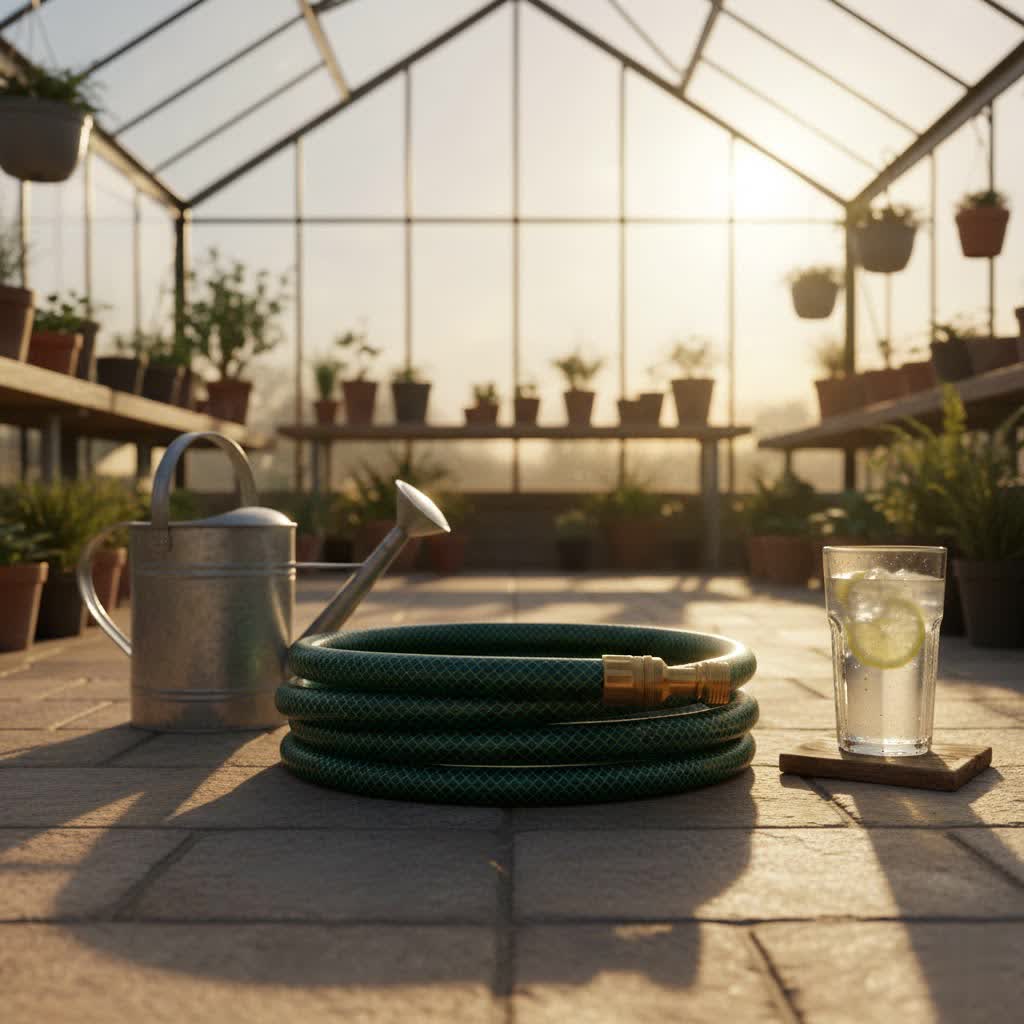
Tired of struggling to water those distant flowerbeds or wash your car without constantly moving your hose? A garden hose extension is a game-changer for any gardener or homeowner, offering the reach and flexibility you need without the hassle. Choosing the right extension, however, can feel like navigating a maze of materials, lengths, and features. This comprehensive guide will equip you with all the essential information, from understanding different types to selecting the perfect solution that fits your specific watering needs.
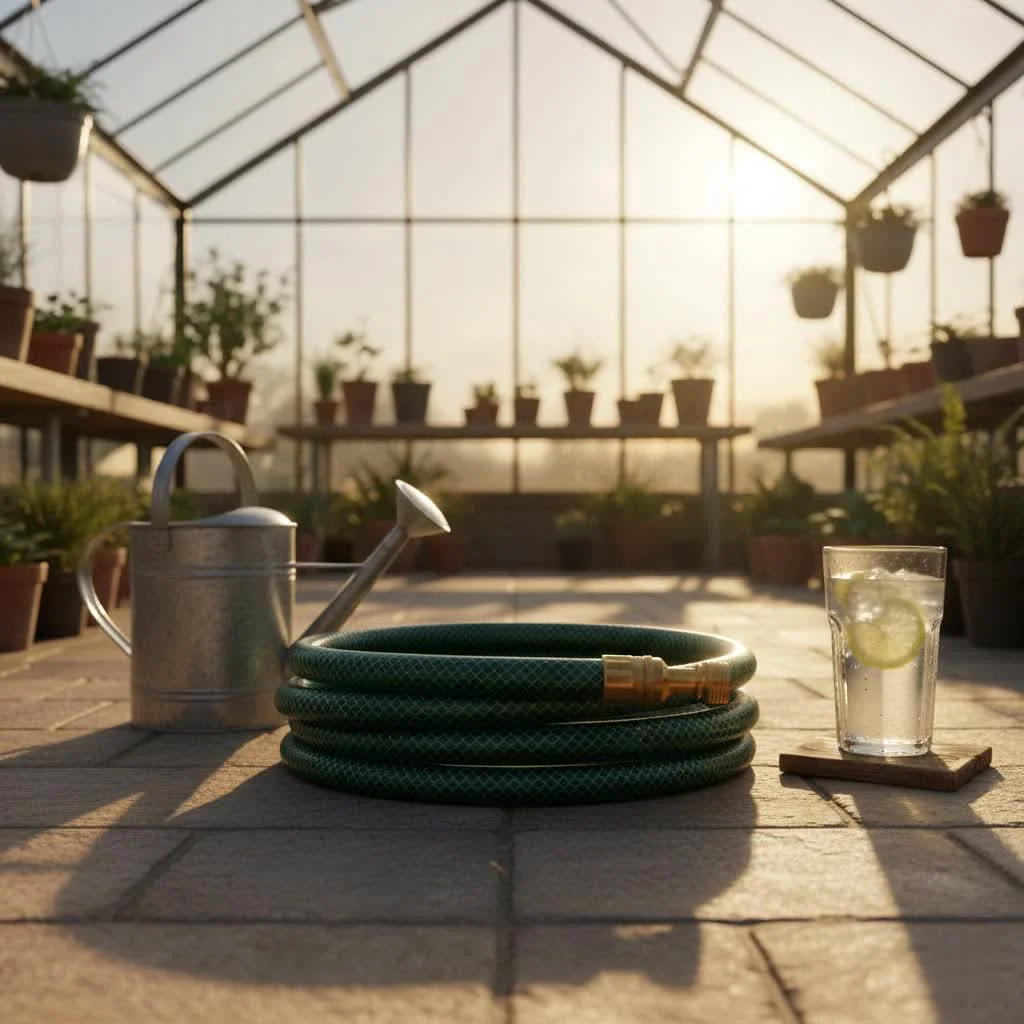
Popular Types of Garden Hose Extensions
When it comes to extending your watering reach, you have several primary options, each with unique advantages and drawbacks. Understanding these will help you make an informed decision.
Expandable Hoses
Expandable hoses are a modern solution designed for convenience. They expand up to three times their original length when filled with water and then contract automatically when emptied, making them incredibly easy to store.
- Advantages: These hoses are remarkably lightweight and flexible, virtually eliminating kinks and tangles that plague traditional hoses. Their compact size makes storage simple, preventing tripping hazards and accidental damage. Many come with durable solid brass fittings.
- Disadvantages: While convenient, expandable hoses can sometimes deliver reduced water pressure or flow rate as they constrict and expand. They tend to be less durable than heavy-duty traditional hoses and may not be ideal for situations requiring consistent high pressure or dragging across rough surfaces. When they shrink, they can also pull lightweight sprinklers out of position.
Traditional Hoses (with Connectors)
For those who prefer the tried-and-true reliability of traditional hoses, extending their reach is typically achieved through specialized connectors.
- Rubber Hoses: Known for their superior durability and flexibility, rubber hoses are resistant to kinking and can withstand extreme temperatures. They are heavy and more expensive but offer exceptional longevity. When used as an extension, they maintain excellent water pressure.
- PVC Hoses (Vinyl): These are a lighter and more affordable option compared to rubber. While generally less durable and more prone to kinking and cracking in harsh weather, advancements in PVC technology have led to reinforced versions with better performance. They are a good choice for light-duty tasks when budget is a primary concern.
- Flat Hoses: Designed to lay flat when empty, these hoses are very compact for storage. However, they require full water pressure to become round and functional, which can lead to reduced flow and make them prone to kinking if not fully pressurized. They are often used for temporary solutions or when space is extremely limited.
- Soaker Hoses: Primarily used for slow, targeted watering, soaker hoses weep water along their entire length. While not typically used to extend the reach for spraying, they can be extended with connectors to cover larger garden beds efficiently and conserve water.
Comparing Garden Hose Extension Options
Here’s a concise comparison to help you weigh the pros and cons of different hose types when considering an extension:
| Type of Hose | Material | Durability | Price Range | Advantages | Disadvantages |
|---|---|---|---|---|---|
| Expandable | Latex/TPU core, fabric shell | Medium | Medium-High | Lightweight, kink-free, easy storage, self-draining | Lower pressure, less durable than rubber, may pull sprinklers |
| Rubber | Rubber | High | High | Very durable, excellent pressure, weather-resistant | Heavy, expensive, difficult to store |
| PVC (Vinyl) | PVC | Medium-Low | Low | Lightweight, affordable | Prone to kinks, less durable, weather-sensitive |
| Flat | PVC/Vinyl | Low-Medium | Low | Extremely compact storage | Weak pressure, kinks easily, only for specific tasks |
| Soaker | Recycled rubber/PVC | Medium | Medium | Water-efficient, targeted watering | Not for spraying, low pressure, prone to clogging |
How to Choose the Right Garden Hose Extension
Selecting the best garden hose extension depends on several critical factors tailored to your specific gardening environment and watering habits.
Determine Your Usage Needs
|
Our Picks for the Best Garden Hose in 2026
As an Amazon Associate I earn from qualifying purchases.
|
||
| Num | Product | Action |
|---|---|---|
| 1 | Flexi Hose Expandable Garden Hose with 8 Function Nozzle, 100FT - Lightweight Retractable Garden Hose, Water Hose - No-Kink Flexibility, 3/4 Inch Solid Brass Fittings and Double Latex Core |

|
| 2 | Flexi Hose Expandable Garden Hose with 8 Function Nozzle, 50FT - Lightweight Retractable Garden Hose, Water Hose - No-Kink Flexibility, 3/4 Inch Solid Brass Fittings and Double Latex Core |
|
| 3 | Flexzilla Garden Hose 5/8 in. x 25 ft., Lightweight All-Weather Water Hose, Durable and Flexible, Leak-Free Connections |
|
| 4 | YAMATIC 100FT 5/8" Garden Hose, 300 PSI Kink-Resistant Water Hose with 360° Swivel Connector & 3/4" Brass GHT Fittings, Flexible All-Weather Outdoor Hose for Yard, Lawn, Garden & Driveway |
|
| 5 | Flexzilla Garden Hose 5/8 in. x 50 ft., Lightweight All-Weather Water Hose, Durable and Flexible, Leak-Free Connections |
|
| 6 | Nilight RV Water Hose 100FT Garden Drinking Hoses with Storage Bag Leakproof Anti-Kink 5/8" Inner Diameter Flexible Lightweight Freshwater Hose for RVs Campers Travel Trailer Boat Car Wash Accessories |
|
| 7 | Easy to Use Garden Hose 100 FT, Lightweight and Leak-Proof Heavy-Duty Flexible Water Hose 100FT with Reinforced TPE Core, 3/4" Solid Brass Fittings, Ultra-Flow Manguera Para Jardin, Built to Last |
|
| 8 | Flexzilla Garden Hose 5/8 in. x 100 ft., Lightweight All-Weather Water Hose, Durable and Flexible, Leak-Free Connections |
|
| 9 | Amazon Basics - Garden Hose, 100ft |
|
| 10 | Flexi Hose Expandable Garden Hose with 8 Function Nozzle, 50FT - Lightweight Retractable Garden Hose, Water Hose - No-Kink Flexibility, 3/4 Inch Solid Brass Fittings and Double Latex Core |
|
Start by evaluating the size of your garden and the specific areas you need to reach. Do you have a large backyard with distant flowerbeds, or are you looking to extend reach for a small patio? Consider the types of plants you water and the tasks you perform. For occasional light watering and easy storage in a small space, an expandable hose might be perfect. If you need to regularly tackle heavy-duty cleaning tasks or water a vast landscape, a durable rubber hose extended with reliable connectors could be a better fit.
Select Appropriate Materials
The material of your hose extension and its fittings plays a crucial role in its longevity and performance.
- Hose Material: Expandable hoses often feature a latex or TPU inner core protected by a woven fabric exterior, offering flexibility and lightweight performance. Traditional hoses come in rubber (highly durable, kink-resistant, heavy) or PVC/vinyl (lighter, more affordable, but can be less durable and prone to kinking). Consider your climate and how much wear and tear the hose will endure.
- Fittings Material: For connections, brass fittings are the gold standard due to their exceptional durability, corrosion resistance, and ability to withstand high water pressure. Aluminum fittings offer a lighter and more economical alternative but may not last as long. Plastic connectors are the most affordable and lightweight, but quality varies significantly, and cheaper options can crack or degrade quickly with sun exposure.
Choose the Correct Size
The diameter and length of your hose extension directly impact water flow and pressure.
- Diameter: Common diameters are 1/2-inch, 5/8-inch, and 3/4-inch. A larger diameter hose (e.g., 5/8-inch or 3/4-inch) delivers more water flow and higher pressure, making watering faster and more efficient, especially for filling large containers. For lighter tasks, a 1/2-inch hose might suffice.
- Length: Opt for a hose extension that is long enough to comfortably reach all necessary areas without excessive slack. Remember that longer hoses can slightly reduce water pressure and are heavier and bulkier to store. If you only occasionally need extra length, consider combining two shorter hoses with a high-quality connector. Expandable hoses offer the advantage of expanding only when needed, minimizing excess length during storage.
Check for Quality and Features
Before purchasing, inspect the product carefully.
- Thickness and Flexibility: For traditional hoses, look for good ply (layers) and flexibility to prevent kinking. For expandable hoses, ensure the outer fabric layer feels robust.
- Couplings and Connections: High-quality brass fittings are ideal for traditional hoses. For expandable hoses, ensure the brass fittings are solid and securely crimped. Reinforced areas near the couplings help prevent kinking at the faucet or connection point.
- Kink Resistance: This is a crucial feature for any hose. Expandable hoses are inherently kink-resistant, while many traditional hoses now boast anti-kink designs.
- Pressure Rating: Check the PSI rating, especially if you plan to use a high-pressure nozzle or for heavy-duty tasks.
Consider Reputable Brands
Investing in an extension from a well-regarded brand often translates to better quality and reliability. Brands like Flexi Hose, Pocket Hose, Gardena, and Flexzilla are frequently praised for their durability and performance in various garden hose categories, including expandable options.
“A common mistake gardeners make is underestimating the importance of good fittings. Cheap connectors are often the weak link in an otherwise solid watering system, leading to frustrating leaks and premature failure.” – Expert Gardener, Landscape Designer
Top-Rated Garden Hose Extension Brands
While “extension” often refers to a generic accessory, several brands excel in producing hoses and connectors that are ideal for extending your reach.
- Flexi Hose: Widely praised for their expandable hoses, Flexi Hose offers leak-resistant designs with double latex cores and sturdy brass fittings. They are known for excellent maneuverability and come in various lengths, often including a versatile spray nozzle.
- Pocket Hose: Popular for their innovative expandable designs, Pocket Hose offers lightweight and compact options like the Copper Bullet, which stands out for its quick expansion and ability to maintain good pressure.
- Hydrotech Pro Series: This brand offers heavy-duty expandable hoses designed for burst-proof performance, providing a more robust expandable option for those needing greater durability.
- Flexzilla: While not solely an “extension” brand, Flexzilla offers highly flexible, kink-resistant garden hoses with SwivelGrip connections that make attaching and detaching extensions much easier. Their hybrid polymer material is durable and lightweight.
- Stanley FatMax: Known for heavy-duty, durable traditional hoses, Stanley FatMax is an excellent choice if you’re extending a robust watering system for demanding tasks.
Tips for Using and Maintaining Your Garden Hose Extension
Proper use and maintenance will significantly extend the life of your garden hose extension, whether it’s an expandable hose or a traditional setup with connectors.
- Avoid Direct Sunlight: Prolonged exposure to UV rays can degrade hose materials, especially plastic and vinyl, leading to brittleness and cracks. Store your hose in a shaded area or on a hose reel when not in use.
- Coil Neatly: After each use, coil your hose neatly. This prevents kinks, tangles, and stress on the hose material. Expandable hoses naturally contract for easy storage.
- Check and Clean Regularly: Periodically inspect your hose and connections for any signs of wear, leaks, or blockages. Clean fittings to prevent mineral buildup, which can impair connections and water flow.
- Use Recommended Water Pressure: Operating your hose outside its recommended pressure range can lead to bursts or damage, particularly with expandable models.
- Store Properly: In colder climates, drain all water from your hose before winter and store it indoors to prevent freezing damage. Even in warmer regions, a dry, cool storage area is best for longevity.
Common Problems and How to Fix Them
Even the best garden hose extensions can encounter issues. Here’s how to troubleshoot some common problems:
- Leaks at Connection Points: This is often the most frequent problem when extending hoses.
- Solution: Ensure all connections are tight. Check rubber washers within the fittings for wear or damage and replace them if necessary. High-quality brass fittings and pipe tape can also help create a more secure, leak-free seal.
- Reduced Water Pressure: If your flow diminishes significantly, especially with an expandable hose, there could be several causes.
- Solution: Ensure the faucet is fully open. Check for kinks or partial blockages. For expandable hoses, understand that some pressure drop is inherent to their design; consider a wider diameter hose or a traditional hose for tasks requiring high pressure.
- Hose Kinks or Twists: Traditional hoses are prone to kinking, especially when dragged or stored improperly.
- Solution: Invest in a kink-resistant hose, use a hose reel to store it, and uncoil it carefully before use. Expandable hoses are largely immune to kinking.
- Hose Bursting: This can happen due to excessive water pressure, extreme temperatures, or old, degraded material.
- Solution: Always use a pressure regulator if your water pressure is very high. Avoid leaving pressurized hoses in direct hot sunlight. Replace old or damaged hoses promptly.
Conclusion
Choosing the ideal garden hose extension empowers you to maintain your garden and perform outdoor tasks with unparalleled ease and efficiency. Whether you opt for the innovative convenience of an expandable hose or the robust reliability of a traditional hose paired with durable connectors, the key lies in aligning your choice with your specific needs, garden size, and budget. By focusing on quality materials, appropriate sizing, and consistent maintenance, you can ensure your garden hose extension serves you faithfully for seasons to come.
Ready to make your watering routine more manageable? Consider the insights shared, explore the reputable brands, and invest in a garden hose extension that truly transforms your outdoor experience. What part of your garden are you most excited to reach effortlessly?
Frequently Asked Questions
What is the best way to extend an existing garden hose?
The best way to extend an existing garden hose is by using a double-ended hose joiner or a dedicated hose extension fitting. Ensure the connectors are made of durable materials like brass and match the diameter of your hoses for a secure, leak-free connection.
Do expandable garden hoses lose water pressure?
Yes, expandable garden hoses can sometimes experience a slight reduction in water pressure or flow rate compared to traditional hoses. This is because their inner core expands under pressure and constricts when empty, which can affect the consistency of water delivery.
How long can I extend my garden hose before losing too much pressure?
Water pressure naturally diminishes as hose length increases. While there’s no fixed limit, extending beyond 100-150 feet can significantly impact pressure, especially with smaller diameter hoses. For very long distances, consider using multiple shorter hoses combined or a dedicated pump.
Are plastic or brass fittings better for hose extensions?
Brass fittings are generally superior for hose extensions due to their exceptional durability, corrosion resistance, and ability to withstand higher water pressure. Plastic fittings are more affordable and lightweight but can be less durable and prone to cracking over time.
Get our weekly buyer guide
Practical specs, not advice. Unsubscribe anytime.
