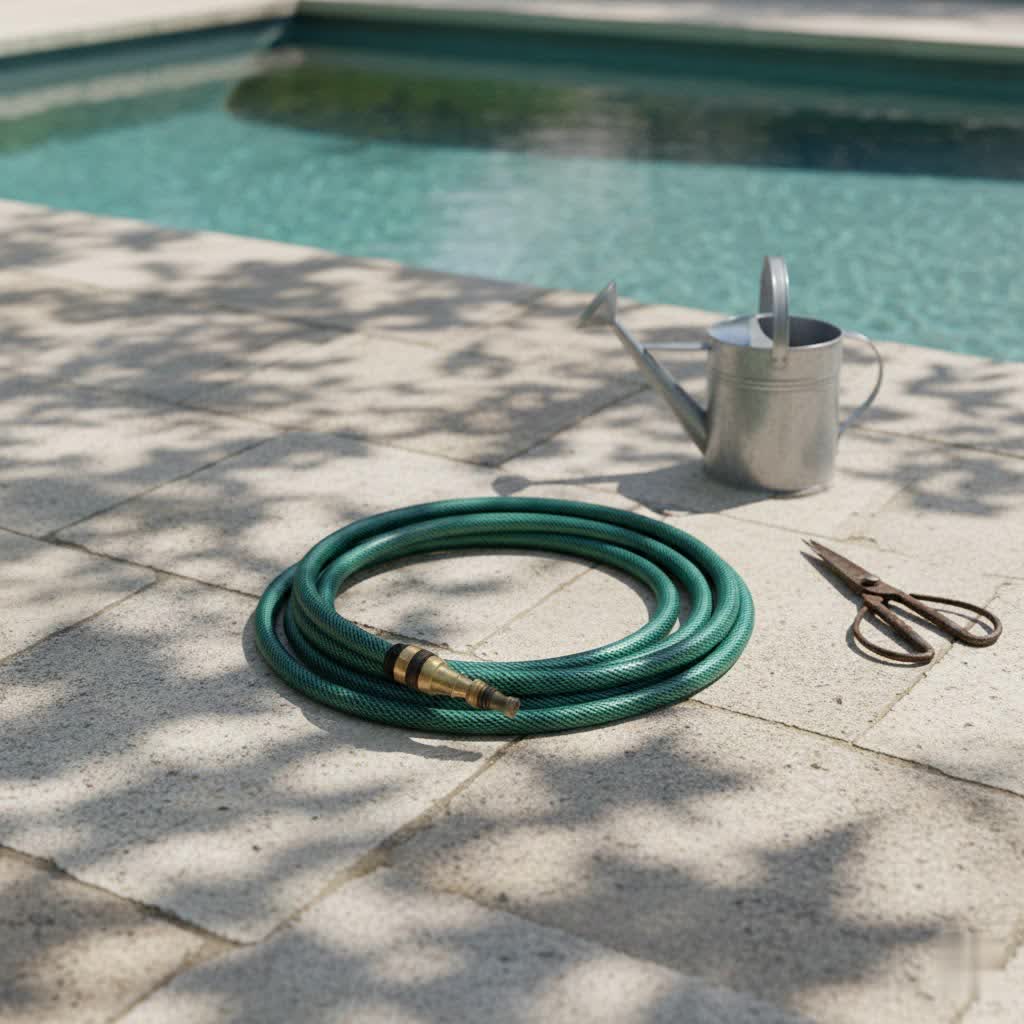
Maintaining a vibrant garden, washing your car, or simply cleaning your patio shouldn’t feel like a wrestling match with cumbersome equipment. Often, the right tools make all the difference, and for many outdoor tasks, a 25 ft garden hose strikes the perfect balance of convenience and efficiency. This compact powerhouse is specifically designed to handle most watering needs without the hassle of dragging excess length, making it an invaluable addition to any home. But with a myriad of options available, how do you choose the ideal 25 ft garden hose that promises durability, flexibility, and optimal performance? This comprehensive guide will equip you with all the knowledge to select, use, and maintain the perfect hose for your specific needs.
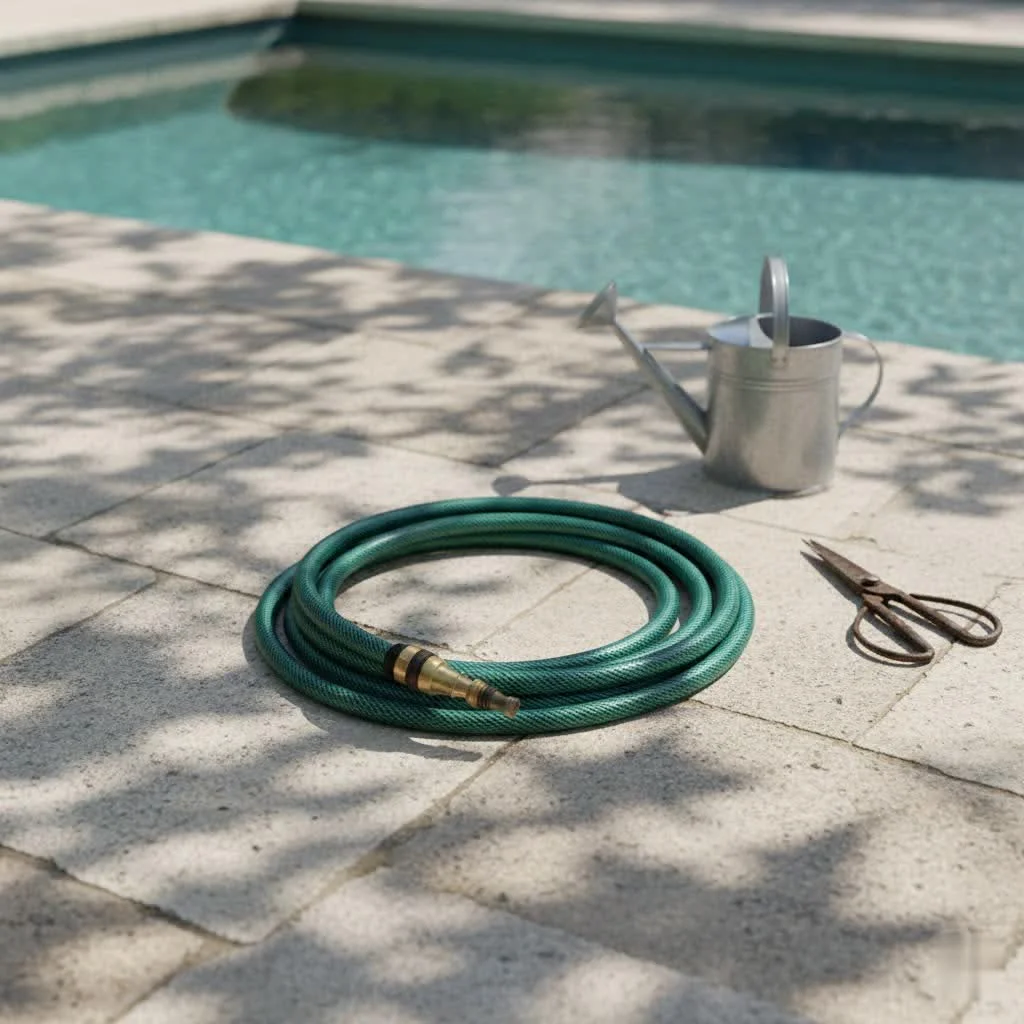
Common Garden Hose Problems
Even the best garden hoses can encounter issues over time, leading to frustration and inefficient watering. Understanding these common problems can help you choose a more resilient hose and maintain it effectively. Kinks and knots are frequent culprits, obstructing water flow and making the hose difficult to maneuver. Leaks and drips, often caused by damaged connectors or punctures, lead to wasted water and can dampen your gardening spirits. Low water pressure is another common grievance, usually stemming from clogged nozzles, connectors, or hidden kinks. Furthermore, constant exposure to weather extremes and rough surfaces can result in cracks and general wear, significantly reducing the hose’s lifespan.
Types of 25 ft Garden Hoses
The market offers a diverse range of garden hoses, each with distinct characteristics suitable for different applications. When considering a 25 ft length, certain types excel in portability and storage while others prioritize heavy-duty performance.
- Rubber Hoses: Known for their exceptional durability and flexibility, rubber hoses are a classic choice. They are highly resistant to kinking and can withstand various weather conditions, including extreme temperatures. However, they tend to be heavier and often more expensive than other materials. A 25 ft rubber hose provides robust performance without excessive weight.
- PVC/Vinyl Hoses: These are generally the most affordable and lightweight options. While a 25 ft vinyl hose is easy to maneuver and store, it is more prone to kinking and cracking, especially when exposed to direct sunlight or cold temperatures. Reinforced PVC hoses offer improved durability and kink resistance.
- Expandable Hoses: These lightweight hoses appear compact when empty but expand significantly (often up to three times their original length) when filled with water. A 25 ft expandable hose is excellent for small spaces and easy storage. However, they are typically less durable than traditional hoses and might not be suitable for high-pressure tasks or constant heavy use, with some reports of bursting or not working well with sprinklers.
- Flat Hoses: Similar to fire hoses, flat hoses lay flat when empty, making them very easy to coil and store compactly. When water flows through them, they expand to a round shape. A 25 ft flat hose is a space-saving solution, though they can sometimes offer weaker water pressure and may be more susceptible to abrasion.
- Coiled Hoses: Designed to retract into a neat coil when not in use, coiled hoses are ideal for very small areas like balconies or patios. A 25 ft coiled hose offers decent reach while minimizing storage space. However, their inherent coiling can sometimes make them awkward to maneuver fully, and their water flow might be slightly reduced compared to wider diameter hoses.
- Metal Hoses (e.g., Stainless Steel): These hoses boast extreme durability, often resistant to punctures, kinks, and chewing from pets. A 25 ft metal hose is practically indestructible and very lightweight for its strength. However, they can be more expensive and may not offer the same flexibility as rubber or hybrid options.
- Hybrid Polymer Hoses: Combining the best attributes of rubber and PVC, hybrid hoses offer a balance of flexibility, durability, and lighter weight. Many feature excellent kink resistance and are a popular choice for all-around garden tasks, providing a great middle-ground for a 25 ft length.
Comparison Table: 25 ft Garden Hoses
|
Our Picks for the Best Garden Hose in 2026
As an Amazon Associate I earn from qualifying purchases.
|
||
| Num | Product | Action |
|---|---|---|
| 1 | YAMATIC 100FT 5/8" Garden Hose, 300 PSI Kink-Resistant Water Hose with 360° Swivel Connector & 3/4" Brass GHT Fittings, Flexible All-Weather Outdoor Hose for Yard, Lawn, Garden & Driveway |

|
| 2 | Flexi Hose Expandable Garden Hose with 8 Function Nozzle, 50FT - Lightweight Retractable Garden Hose, Water Hose - No-Kink Flexibility, 3/4 Inch Solid Brass Fittings and Double Latex Core |
|
| 3 | Flexzilla Garden Hose 5/8 in. x 25 ft., Lightweight All-Weather Water Hose, Durable and Flexible, Leak-Free Connections |
|
| 4 | Nilight RV Water Hose 100FT Garden Drinking Hoses with Storage Bag Leakproof Anti-Kink 5/8" Inner Diameter Flexible Lightweight Freshwater Hose for RVs Campers Travel Trailer Boat Car Wash Accessories |
|
| 5 | Flexi Hose Expandable Garden Hose with 8 Function Nozzle, 100FT - Lightweight Retractable Garden Hose, Water Hose - No-Kink Flexibility, 3/4 Inch Solid Brass Fittings and Double Latex Core |
|
| 6 | Flexzilla Garden Hose 5/8 in. x 50 ft., Lightweight All-Weather Water Hose, Durable and Flexible, Leak-Free Connections |
|
| 7 | Amazon Basics - Garden Hose, 100ft |
|
| 8 | Flexzilla Garden Hose 5/8 in. x 100 ft., Lightweight All-Weather Water Hose, Durable and Flexible, Leak-Free Connections |
|
| 9 | Flexi Hose Expandable Garden Hose with 8 Function Nozzle, 50FT - Lightweight Retractable Garden Hose, Water Hose - No-Kink Flexibility, 3/4 Inch Solid Brass Fittings and Double Latex Core |
|
| 10 | Easy to Use Garden Hose 100 FT, Lightweight and Leak-Proof Heavy-Duty Flexible Water Hose 100FT with Reinforced TPE Core, 3/4" Solid Brass Fittings, Ultra-Flow Manguera Para Jardin, Built to Last |
|
Choosing the right 25 ft garden hose means balancing material properties, cost, and typical usage. Here’s a quick overview to help you weigh your options:
| Hose Type | Material | Durability | Price Range (25 ft) | Pros | Cons |
|---|---|---|---|---|---|
| Rubber | Natural or synthetic rubber | High | Medium to High | Very durable, flexible, kink-resistant | Heavier, can be more expensive |
| PVC/Vinyl | Polyvinyl Chloride | Medium | Low | Lightweight, affordable, easy to coil | Prone to kinks, less durable, can crack |
| Expandable | Latex core, fabric exterior | Low | Medium | Extremely lightweight, compact storage | Less durable, lower pressure, can burst |
| Flat | PVC or fabric | Medium | Low to Medium | Space-saving, easy to store | Weaker water pressure, can twist |
| Coiled | Polyurethane | Medium | Medium | Self-coiling, compact | Limited reach, can snag, reduced flow |
| Metal | Stainless Steel | Very High | High | Puncture-proof, kink-free, lightweight | Can be more rigid, higher cost |
| Hybrid Polymer | PVC and rubber combination | High | Medium | Flexible, durable, kink-resistant, lighter | Can still kink if poorly made |
How to Choose the Right 25 ft Garden Hose
Selecting the perfect 25 ft garden hose involves a few key considerations to ensure it meets your specific watering demands and lasts for years to come.
First, determine your usage needs. A 25 ft hose is generally ideal for smaller yards, patios, balconies, or specific tasks like washing a car or filling a pet’s water bowl close to the spigot. If you only need to water a small area or perform light-duty tasks, a lightweight expandable or vinyl hose might suffice. For more frequent, heavy-duty use like watering a vegetable garden, consider a robust rubber or hybrid polymer hose.
Next, choose the right material. As explored above, each material offers different advantages. Rubber hoses provide superior durability and kink resistance but are heavier. PVC/vinyl is economical and light but less durable. Expandable hoses offer unparalleled lightness and storage convenience but sacrifice durability and may not handle high pressure. Metal hoses offer ultimate resilience against punctures and kinks.
Consider the hose diameter. Most residential garden hoses come in 3/8-inch, 1/2-inch, or 5/8-inch diameters. A larger diameter means greater water flow but also a heavier hose. For a 25 ft hose, a 5/8-inch diameter is a common and versatile choice, offering a good balance of flow and manageable weight for shorter lengths.
Quality fittings are crucial for preventing leaks and ensuring a secure connection. Look for hoses with brass or stainless steel couplings, as they are more durable and resistant to crushing and corrosion compared to plastic fittings. Some hoses also feature ergonomic grips or swivel connectors, making them easier to attach and detach, especially for those with limited hand strength.
Finally, prioritize kink resistance. Nothing is more frustrating than a hose that constantly kinks, interrupting water flow and shortening its lifespan. High-quality hoses incorporate features like multiple plies, reinforced mesh layers, or specialized materials (like hybrid polymers or robust rubber) to maintain their shape and prevent frustrating twists.
Top Garden Hose Brands for 25 ft Options
While many brands offer excellent garden hoses across various lengths, a few consistently receive high marks for quality and performance, often including 25 ft options. Brands like Flexzilla are frequently praised for their hybrid polymer construction, offering excellent flexibility, kink resistance, and often being drinking-water safe. Their SwivelGrip models make connections effortless. Continental Commercial offers robust rubber hoses known for their resilience, especially in colder temperatures, and are available in 25 ft lengths for heavy-duty tasks. For those on a budget or seeking a traditional, tough hose, Gilmor Flexogen often delivers good durability and kink resistance for its price point. Hosecoil Standard is an excellent choice for small spaces due to its self-coiling design and incredibly lightweight polyether material, available in a 25 ft version perfect for patios. Other notable mentions include Dramm Colorstorm Premium (though often heavier and more expensive, rated for hot water) and various expandable hose brands like Hydrotech or Kotto, popular for their lightweight and compact storage.
Tips for Using and Maintaining Your 25 ft Garden Hose
Proper usage and maintenance are key to extending the life of your 25 ft garden hose and preventing common frustrations.
- Avoid Direct Sunlight: UV rays can degrade plastic and rubber materials, leading to cracks and weakening over time. Store your hose in a shaded area or a hose reel to protect it from harsh sunlight.
- Drain After Use: Always drain all water from your hose after each use, especially before storing it for extended periods or during cold weather. Water left inside can freeze and expand, causing the hose to burst, or lead to mold growth.
- Coil Neatly: Avoid leaving your hose in tangled heaps. Neatly coil it onto a hose reel, caddy, or in loose loops on the ground. This prevents kinks, reduces tripping hazards, and makes it easier to use next time.
- Use the Recommended Water Pressure: Operating your hose beyond its maximum PSI rating can lead to bursting or leaks. Always be mindful of your water source’s pressure and the hose’s specifications.
- Regular Inspection and Cleaning: Periodically check your hose for signs of wear, cracks, or leaks. Clean nozzles and connectors regularly to prevent clogs and maintain optimal water flow.
Common Problems and How to Fix Them
Even with the best care, problems can arise. Here’s how to troubleshoot common issues:
- Hose Kinking: To prevent kinks, invest in a hose with good kink-resistant technology (like hybrid polymers or reinforced rubber). When uncoiling, lay it out fully before turning on the water. For existing kinks, slowly straighten the hose by hand.
- Leaks and Drips: Inspect the couplings first; often, a worn-out washer is the culprit. Replace old washers or tighten fittings firmly. For small punctures in the hose itself, a hose repair kit with sealant or waterproof tape can provide a temporary or semi-permanent fix. For larger damage, cutting out the damaged section and using a hose mender is effective.
- Low Water Pressure: First, check if your nozzle is clogged and clean it thoroughly. Then, inspect the hose for any kinks or obstructions. Ensure your main water spigot is fully open and providing adequate pressure. If the issue persists, the problem might be with your home’s water supply or a more significant blockage in the hose that requires a specialized cleaning tool.
Conclusion
Choosing the right 25 ft garden hose is a small decision that can make a big difference in your outdoor routine. By understanding the various types, considering factors like material and fittings, and committing to proper maintenance, you can find a compact yet powerful tool that serves your watering needs efficiently and reliably. A well-chosen 25 ft hose will make light work of tasks around your yard, saving you time and effort while ensuring your plants thrive. Invest wisely, and enjoy a more serene and productive gardening experience.
What watering tasks do you find most challenging with your current hose, and how could a 25 ft hose simplify them for you?
Get our weekly buyer guide
Practical specs, not advice. Unsubscribe anytime.
