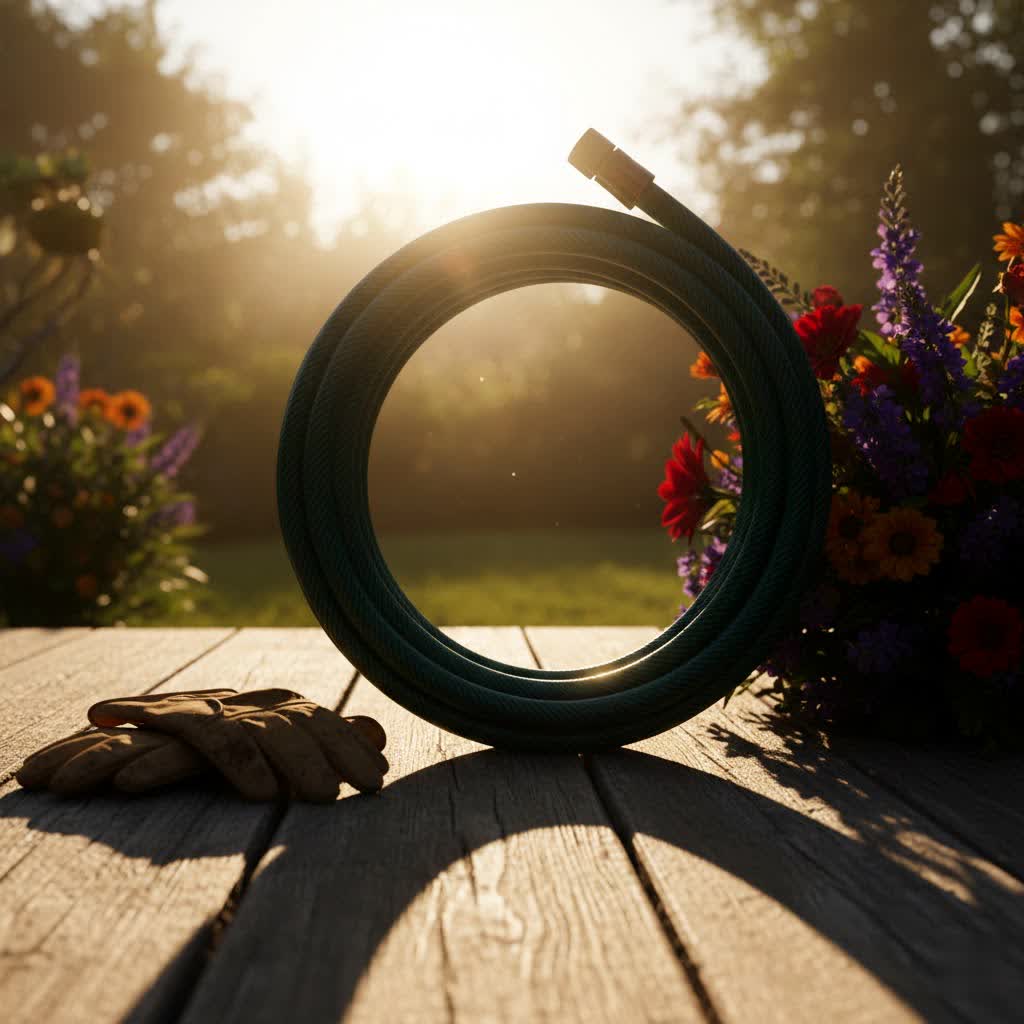
Maintaining a vibrant garden often feels like a constant battle, and one of the most common foes is the unwieldy garden hose. Traditional hoses are notorious for their weight, kinking, and cumbersome storage, turning a simple watering task into a wrestling match. Fortunately, modern innovations have brought forth flexible garden hoses, designed to revolutionize how you nurture your green space. This comprehensive guide will delve into everything you need to know about flexible garden hoses, from their various types and features to expert tips for choosing the perfect one for your home.
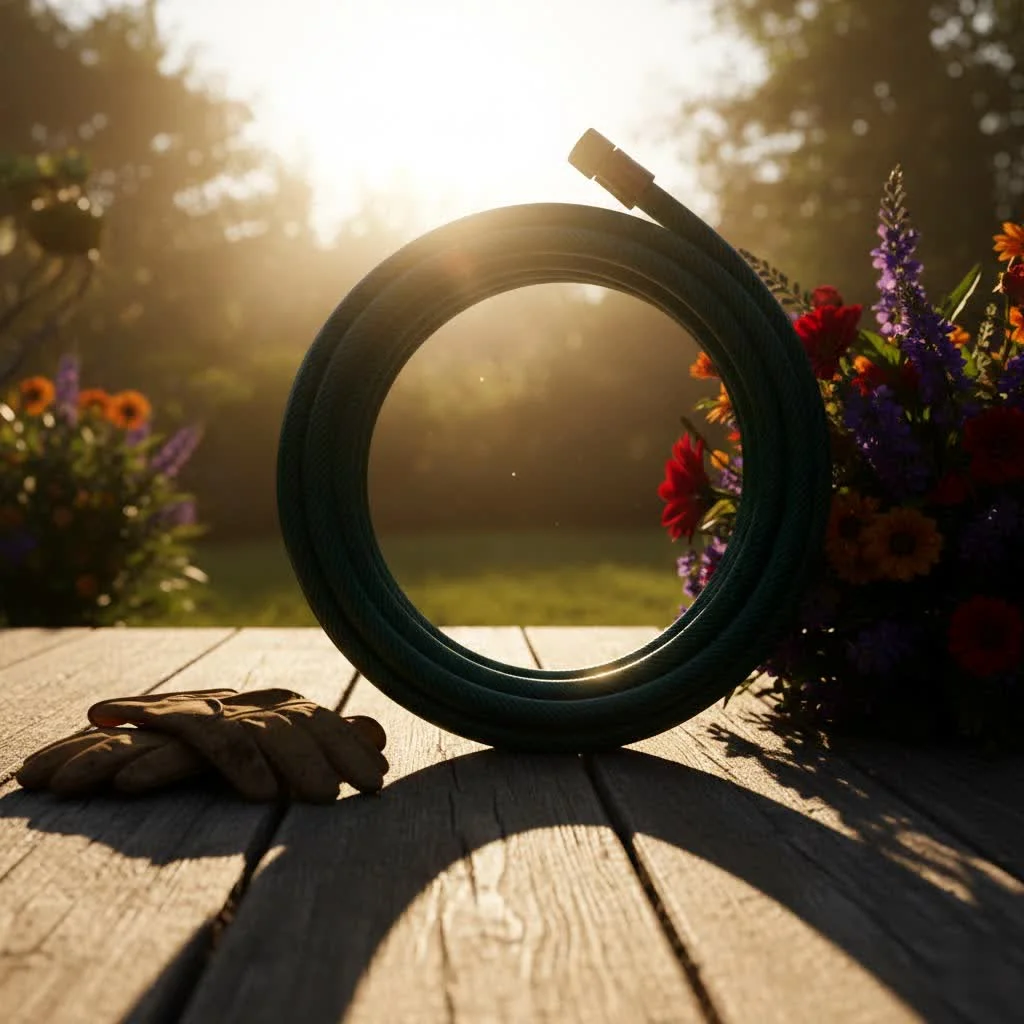
Popular Types of Flexible Garden Hoses
The term “flexible garden hose” encompasses several innovative designs, each offering unique benefits to simplify your watering routine. Understanding these types is the first step toward selecting the best fit for your needs.
-
Expandable Hoses: These are perhaps the most recognized type of flexible hose, celebrated for their remarkable ability to expand up to three times their original length when filled with water and then retract to a compact size when drained. Typically constructed with a latex or thermoplastic elastomer (TPE) inner core encased in a durable fabric cover (like polyester or DAC-5 fiber), expandable hoses are incredibly lightweight and largely kink-free during use. Their self-draining nature also makes storage exceptionally easy. However, their durability can sometimes be a concern, with potential issues like outer fabric tearing or the inner tube being susceptible to punctures over time. They also rely on adequate water pressure to fully extend.
-
Hybrid Polymer Hoses: Representing a significant advancement in hose technology, hybrid polymer hoses offer an excellent balance of flexibility, durability, and lightweight design. Materials like those found in the Flexzilla brand are designed to be extremely pliable, allowing for easy maneuvering around obstacles without kinking, even in colder temperatures. They are typically more robust than expandable hoses and less prone to pressure-related issues, making them a versatile choice for various tasks.
-
Flexible Rubber Hoses: While many traditional rubber hoses are heavy, some manufacturers produce reinforced rubber hoses that boast enhanced flexibility and kink resistance. These hoses maintain the inherent durability and strength of rubber, making them highly resistant to abrasions and punctures, yet they are easier to coil and manage than their ultra-heavy counterparts. They are ideal for those who prioritize long-term resilience without the extreme bulk.
-
Metal Hoses: Constructed from interlocking stainless steel, metal hoses are designed for extreme durability and kink-proof performance. They are lightweight and virtually indestructible against punctures or animal chewing. Their main consideration is that they can become hot to the touch in direct sunlight, and their flexibility, while good for metal, may not match the pliability of polymer or expandable options.
-
Coil Hoses: These hoses naturally maintain a coiled shape, making them incredibly compact for storage and ideal for small watering tasks where limited reach is needed, such as watering patio plants or small garden beds. They are lightweight but may offer lower water flow and have a restricted working radius due to their inherent coiled memory.
Flexible vs. Traditional Garden Hoses: A Detailed Comparison
|
Our Picks for the Best Garden Hose in 2026
As an Amazon Associate I earn from qualifying purchases.
|
||
| Num | Product | Action |
|---|---|---|
| 1 | Flexzilla Garden Hose 5/8 in. x 25 ft., Lightweight All-Weather Water Hose, Durable and Flexible, Leak-Free Connections |

|
| 2 | Flexzilla Garden Hose 5/8 in. x 50 ft., Lightweight All-Weather Water Hose, Durable and Flexible, Leak-Free Connections |
|
| 3 | Flexzilla Garden Hose 5/8 in. x 100 ft., Lightweight All-Weather Water Hose, Durable and Flexible, Leak-Free Connections |
|
| 4 | YAMATIC 100FT 5/8" Garden Hose, 300 PSI Kink-Resistant Water Hose with 360° Swivel Connector & 3/4" Brass GHT Fittings, Flexible All-Weather Outdoor Hose for Yard, Lawn, Garden & Driveway |
|
| 5 | Flexi Hose Expandable Garden Hose with 8 Function Nozzle, 50FT - Lightweight Retractable Garden Hose, Water Hose - No-Kink Flexibility, 3/4 Inch Solid Brass Fittings and Double Latex Core |
|
| 6 | Easy to Use Garden Hose 100 FT, Lightweight and Leak-Proof Heavy-Duty Flexible Water Hose 100FT with Reinforced TPE Core, 3/4" Solid Brass Fittings, Ultra-Flow Manguera Para Jardin, Built to Last |
|
| 7 | Nilight RV Water Hose 100FT Garden Drinking Hoses with Storage Bag Leakproof Anti-Kink 5/8" Inner Diameter Flexible Lightweight Freshwater Hose for RVs Campers Travel Trailer Boat Car Wash Accessories |
|
| 8 | Flexi Hose Expandable Garden Hose with 8 Function Nozzle, 100FT - Lightweight Retractable Garden Hose, Water Hose - No-Kink Flexibility, 3/4 Inch Solid Brass Fittings and Double Latex Core |
|
| 9 | Flexi Hose Expandable Garden Hose with 8 Function Nozzle, 50FT - Lightweight Retractable Garden Hose, Water Hose - No-Kink Flexibility, 3/4 Inch Solid Brass Fittings and Double Latex Core |
|
| 10 | Amazon Basics - Garden Hose, 100ft |
|
Choosing between a flexible and a traditional garden hose involves weighing their distinct advantages and disadvantages. This comparison highlights key factors to consider:
| Feature | Flexible Garden Hoses | Traditional Garden Hoses |
|---|---|---|
| Weight | Very lightweight, easy to carry and maneuver. | Heavy and bulky, can be strenuous to move and drag. |
| Storage | Extremely compact, often self-draining, simple to store. | Requires careful coiling or a reel, takes up more space. |
| Kink Resistance | High resistance to kinking and tangling. | Prone to kinking and tangling, especially when coiling. |
| Durability | Can vary; some expandable types are prone to punctures or leaks over time. Hybrid polymer and metal types offer better durability. | Generally very durable and robust, can withstand rough handling and high pressure. |
| Water Pressure | Good water flow, but expandable types may require sufficient pressure to fully extend. | Stable and consistent water pressure, suitable for various attachments and tasks. |
| Maneuverability | Highly agile, easily navigates around garden obstacles. | Stiff and rigid, often difficult to maneuver in tight spaces. |
| Lifespan | Typically 1-5 years for expandable hoses, longer for hybrid polymer and metal with proper care. | Can last 5-10 years or more with good maintenance. |
| Cost | Varies, but quality flexible hoses can be a similar or higher investment. | Range widely from budget-friendly to premium heavy-duty options. |
Expandable hoses, in particular, offer unparalleled convenience due to their lightweight and self-coiling nature. However, traditional rubber hoses often excel in raw durability and sustained high-pressure applications.
How to Choose the Best Flexible Garden Hose
Selecting the ideal flexible garden hose requires careful consideration of your specific needs and gardening environment.
-
Determine Your Garden Size and Watering Needs: Before anything else, consider the area you need to water. Hoses come in various lengths, typically from 25 to 100 feet or more. Ensure the hose is long enough to reach all corners of your yard without being excessively long, which can impact water pressure and storage. Also, think about the primary tasks—delicate plant watering versus washing a car or cleaning a patio—as this affects the required water flow and durability. The diameter also plays a role; a 3/4-inch hose provides better flow than a 5/8-inch, which is common for residential use.
-
Evaluate Material and Construction: The material dictates a hose’s flexibility, durability, and weight.
- Expandable hoses often use a double or quadruple latex core with an outer fabric shell (polyester, DAC-5 fiber) for their unique expanding properties. Look for reinforced fabrics for better abrasion resistance.
- Hybrid polymer hoses (like Flexzilla) offer excellent flexibility and kink resistance while being lighter and often more durable than basic vinyl.
- Rubber hoses provide superior durability and can handle extreme temperatures, though they are heavier.
- Stainless steel hoses are top-tier for kink-proof and puncture resistance. Consider the hose’s “ply” if purchasing a reinforced hose, as a higher ply generally indicates greater strength.
-
Check the Quality of Fittings: The connection points are often the first place a hose fails. Opt for solid brass fittings over plastic, as brass is more durable, corrosion-resistant, and less prone to cracking or leaking. Crush-proof couplings are an added bonus, especially if your hose might be run over or stepped on. Some hoses feature ergonomic collars or swivel grips, making attachment and detachment easier on your hands.
-
Prioritize Kink-Resistance: One of the main reasons gardeners switch to flexible hoses is to avoid kinks. While most flexible hoses boast this feature, some materials and designs are more effective than others. Expandable and hybrid polymer hoses are excellent in this regard, smoothly gliding over surfaces.
-
Consider Drinking Water Safety: If you plan to use your garden hose for filling pet bowls, children’s pools, or even for occasional drinking, look for hoses explicitly labeled as “drinking water safe” or “lead-free.” Many standard hoses are not safe for potable water.
-
Assess Included Accessories: Some flexible hoses come with multi-function spray nozzles, storage bags, or extra washers. While not essential, these can add value and convenience to your purchase.
Top Flexible Garden Hose Brands
Several brands have made a name for themselves in the flexible garden hose market, offering reliable and innovative products:
- Flexi Hose: Highly praised for its kink-free design, lightweight nature, and ability to expand significantly. Many users appreciate its durable brass fittings and often included eight-setting spray nozzle. It’s a popular choice for everyday gardening.
- Zero-G: Known for its ultra-flexible and durable design, offering a lightweight alternative to traditional hoses. It features crush-proof couplings and is easy to maneuver and coil, making it a favorite for overall performance.
- Flexzilla: A leader in hybrid polymer hoses, Flexzilla is celebrated for its extreme flexibility, kink-free performance, and durability. Many models are also safe for drinking water, adding to their versatility.
- Pocket Hose: One of the original expandable hose brands, offering lightweight and compact storage solutions. Newer models often feature improved materials and fittings for enhanced durability.
- Hydrotech Pro Series: Offers expandable hoses known for their lightweight nature, kink-free performance, and ease of storage, expanding significantly when in use.
- Bionic Steel: Specializes in stainless steel hoses, providing exceptional durability, kink-proof design, and resistance to punctures, making them a long-lasting investment.
Tips for Using and Maintaining Your Flexible Garden Hose
Proper care can significantly extend the life of your flexible garden hose, ensuring it remains a reliable tool season after season.
- Drain After Each Use: For expandable hoses, always turn off the water supply and allow the hose to fully drain and contract. This relieves internal pressure and helps prevent damage to the inner core. Even for other flexible types, draining reduces stagnant water and helps with storage.
- Store Properly: When not in use, store your hose out of direct sunlight. UV rays can degrade hose materials over time, leading to brittleness and cracks. For expandable hoses, their compact size allows for easy storage in a small bucket, shed, or hose bag. Other flexible hoses benefit from a hose reel or a neat coil in a shaded, cool, and dry area. Avoid leaving any hose exposed to freezing temperatures, as water left inside can expand and burst the hose.
- Handle with Care: While flexible hoses are designed to be tough, avoid dragging them over sharp objects, abrasive surfaces like gravel, or through thorny bushes, which can puncture or tear the outer material, especially with expandable types.
- Mind the Water Pressure: For expandable hoses, ensure your water pressure falls within the manufacturer’s recommended range (often 40-145 PSI). Too little pressure may prevent full expansion, while excessive pressure can stress the hose and fittings, leading to leaks or bursts.
- Check and Clean Regularly: Periodically inspect your hose and its fittings for any signs of wear, cracks, or leaks. Replace worn washers in couplings promptly to prevent drips. If your hose becomes clogged, a high-pressure nozzle or flushing it with strong water flow can often clear obstructions.
Common Issues and How to Fix Them
Even the best flexible garden hoses can encounter problems. Knowing how to troubleshoot common issues can save you time and money.
- Hose Leaks or Bursts: This is often the most frustrating problem. For expandable hoses, leaks commonly occur at the fittings due to plastic components failing or the outer fabric tearing near the connectors. If it’s a fitting leak, try tightening it or replacing the rubber washer. If the hose itself has a small puncture, repair kits are available, though severe damage might necessitate replacement. Over-stretching an expandable hose or exposing it to very high pressure can also cause bursts. For other flexible hoses, check for visible damage and use a repair coupling if the damage is localized.
- Hose Not Expanding (Expandable Hoses): If your expandable hose isn’t reaching its full length, the most likely culprit is insufficient water pressure. Ensure your spigot is fully open and there are no other active water outlets reducing pressure. A clogged nozzle can also restrict flow, preventing expansion.
- Hose Kinks (Despite Being “Kink-Free”): While flexible hoses are highly resistant to kinking, it’s not impossible, especially with improper storage or extreme twists. If a kink forms, gently straighten the section. Storing your hose in large, loose loops or using a hose reel can help prevent the “memory” that leads to kinking.
- Low Water Pressure/Flow: This could be due to a partially closed spigot, a kink in the hose, a clogged nozzle, or mineral buildup inside the hose (less common with flexible types but possible over time). Check all connections and ensure there are no obstructions.
Conclusion
A flexible garden hose is an indispensable tool for any modern gardener, transforming the chore of watering into a more enjoyable and efficient experience. By offering superior maneuverability, lightweight design, and compact storage, these innovative hoses address many of the frustrations associated with traditional models. While considering factors like material durability, fitting quality, and your specific watering needs is crucial, making the switch to a flexible option like an expandable, hybrid polymer, or metal hose can significantly enhance your gardening life. Choose wisely, care for it properly, and enjoy a kink-free, hassle-free garden.
What features do you value most in a garden hose, and how has a flexible hose changed your approach to gardening?
Frequently Asked Questions
What is the primary advantage of a flexible garden hose over a traditional one?
The main advantage is their superior maneuverability and lightweight nature. Flexible hoses, especially expandable types, are much easier to carry, drag around plants, and store compactly compared to heavy, bulky traditional hoses, significantly reducing effort and frustration during watering tasks.
Are expandable garden hoses durable?
The durability of expandable garden hoses can vary. While modern designs have improved significantly, they are generally less resistant to punctures and tears than heavy-duty rubber hoses. Factors like high water pressure, extreme temperatures, and rough handling can impact their lifespan, but models with strong fabric covers and brass fittings offer better longevity.
Can I drink water from a flexible garden hose?
Not all flexible garden hoses are safe for drinking water. If you intend to use the hose for potable water for pets, children, or yourself, it is essential to choose a product explicitly labeled as “drinking water safe” or “lead-free” to avoid potential chemical contamination.
How do I prevent my flexible hose from kinking?
Most flexible hoses are designed to be kink-resistant. To further prevent kinking, ensure you fully uncoil the hose before use and avoid twisting it excessively. For expandable hoses, allowing them to fully drain and contract after use helps maintain their internal structure and prevents kinks.
What should I do if my expandable hose isn’t expanding fully?
If your expandable hose isn’t reaching its full length, first ensure the water spigot is fully open and your household water pressure is adequate for the hose’s specifications. A clogged nozzle or a blockage within the hose can also restrict water flow, preventing proper expansion.
Get our weekly buyer guide
Practical specs, not advice. Unsubscribe anytime.
