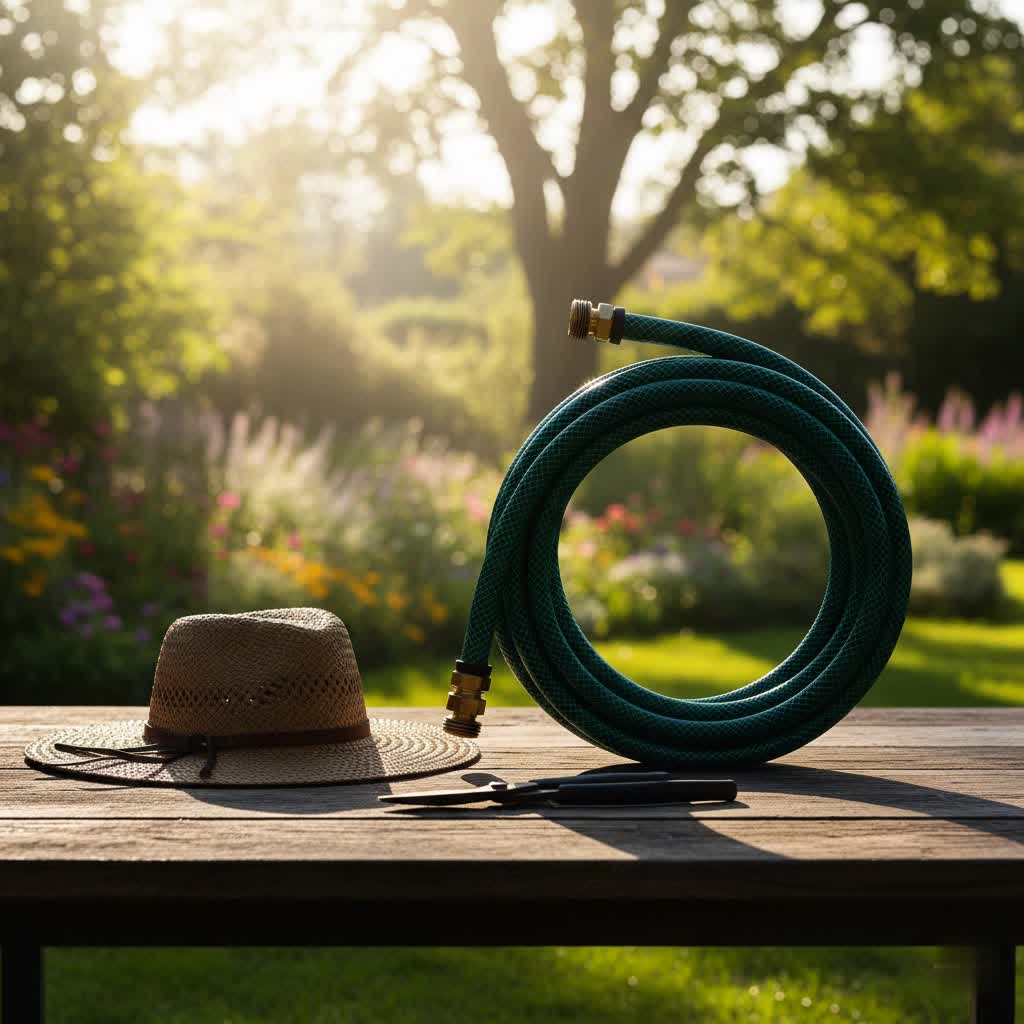
A 100 ft garden hose is ideal for watering large yards or reaching distant spigots, offering extended reach and improved efficiency for various gardening tasks. The best choice depends on factors like material (rubber for durability, hybrid polymer for balance), kink resistance, weight, and fitting quality. Selecting the right hose ensures effective watering and reduces common frustrations like kinking and heavy lifting.
Understanding 100 ft Garden Hoses: Types and Materials
Popular Types of Garden Hoses
- Standard Garden Hoses: These are versatile for general watering tasks.
- Expandable Hoses: Lightweight and compact for storage, they expand significantly with water pressure.
- Flat Hoses: Easy to store and self-draining, but can sometimes have weaker water pressure.
- Metal Garden Hoses: Known for being puncture- and kink-proof, lightweight, and highly durable.
- Other types like Soaker, Sprinkler, Coiled, RV/Marine, and Drinking Water hoses serve niche uses, but a 100 ft version can be adapted for specific needs.
Garden Hose Materials, Flexibility & Durability
- Rubber Hoses: Highly durable, flexible, and resistant to temperature extremes, though they tend to be heavy.
- PVC/Vinyl Hoses: Budget-friendly and lightweight, but are more prone to kinking and wear, offering less overall durability.
- Hybrid Polymer Hoses: These provide a good balance between rubber’s durability and PVC’s lightness, often featuring excellent kink resistance.
- Polyester/Latex (for Expandable): Lightweight and easy to store, but may offer less long-term durability compared to other materials.
- Stainless Steel (for Metal): Offers extreme durability, is kink and puncture proof, and remains cool to the touch.
- Ply Construction: Hoses with more plies generally offer greater durability and improved kink resistance.
- UV Resistance: This feature is crucial for hoses stored outdoors, protecting them from sun damage.
How to Choose the Best 100 ft Garden Hose
Determining Your Needs
- Yard Size & Layout: A 100 ft hose is specifically recommended for large areas or when your spigot is far from watering zones.
- Watering Tasks: Consider if you need it for general plant watering, heavy-duty cleaning, or delicate plant care.
- Water Pressure: Longer hoses can reduce pressure; a 5/8-inch diameter hose offers better water flow than a 1/2-inch hose for 100 ft lengths.
Key Features to Look For
|
Our Picks for the Best Garden Hose in 2026
As an Amazon Associate I earn from qualifying purchases.
|
||
| Num | Product | Action |
|---|---|---|
| 1 | YAMATIC 100FT 5/8" Garden Hose, 300 PSI Kink-Resistant Water Hose with 360° Swivel Connector & 3/4" Brass GHT Fittings, Flexible All-Weather Outdoor Hose for Yard, Lawn, Garden & Driveway |

|
| 2 | Nilight RV Water Hose 100FT Garden Drinking Hoses with Storage Bag Leakproof Anti-Kink 5/8" Inner Diameter Flexible Lightweight Freshwater Hose for RVs Campers Travel Trailer Boat Car Wash Accessories |
|
| 3 | Flexzilla Garden Hose 5/8 in. x 50 ft., Lightweight All-Weather Water Hose, Durable and Flexible, Leak-Free Connections |
|
| 4 | Amazon Basics - Garden Hose, 100ft |
|
| 5 | Flexi Hose Expandable Garden Hose with 8 Function Nozzle, 50FT - Lightweight Retractable Garden Hose, Water Hose - No-Kink Flexibility, 3/4 Inch Solid Brass Fittings and Double Latex Core |
|
| 6 | Easy to Use Garden Hose 100 FT, Lightweight and Leak-Proof Heavy-Duty Flexible Water Hose 100FT with Reinforced TPE Core, 3/4" Solid Brass Fittings, Ultra-Flow Manguera Para Jardin, Built to Last |
|
| 7 | Flexi Hose Expandable Garden Hose with 8 Function Nozzle, 100FT - Lightweight Retractable Garden Hose, Water Hose - No-Kink Flexibility, 3/4 Inch Solid Brass Fittings and Double Latex Core |
|
| 8 | Flexi Hose Expandable Garden Hose with 8 Function Nozzle, 50FT - Lightweight Retractable Garden Hose, Water Hose - No-Kink Flexibility, 3/4 Inch Solid Brass Fittings and Double Latex Core |
|
| 9 | Flexzilla Garden Hose 5/8 in. x 100 ft., Lightweight All-Weather Water Hose, Durable and Flexible, Leak-Free Connections |
|
| 10 | Flexzilla Garden Hose 5/8 in. x 25 ft., Lightweight All-Weather Water Hose, Durable and Flexible, Leak-Free Connections |
|
- Kink Resistance: This is essential for 100 ft hoses. Look for reinforcement, special designs (like hexagonal shapes), or materials such as hybrid polymer. A simple “U” test can help assess kink resistance.
- Durability & Reinforcement: Opt for multi-layered construction, strong outer jackets (e.g., braid reinforcement), and UV additives for extended life.
- Weight & Maneuverability: For a 100 ft hose, lighter materials or expandable designs significantly reduce strain during use and storage.
- Fittings & Couplings: Solid brass or other metal fittings ensure leak-proof connections and longevity. Easy-grip collars enhance usability.
- Drinking Water Safety: If the hose will be used for drinking by people or pets, choose lead-free, BPA-free, and phthalate-free options, often labeled as RV/Marine grade.
Top Brands & Recommended 100 ft Garden Hoses
- Flexzilla (Hybrid Polymer, flexible)
- Zero-G (Lightweight, flexible, durable)
- Stanley Fatmax (Heavy-duty, durable)
- Dramm ColorStorm (Durable rubber)
- Water Right Ultra Flex (Heavy-duty, triple layer)
- GB Sciences Super Duty (Industrial-grade rubber)
- Swan (Premium rubber, lead-free)
- Orbit Expandable (Lightweight, compact)
- Giraffe Tools (Lightweight, easy-grip)
- Bionic Steel (Metal, kink-proof)
Using and Maintaining Your 100 ft Garden Hose for Longevity
Proper Usage Tips
- Uncoil the hose fully before use to effectively prevent kinks.
- Always use the correct nozzle attachment for your specific watering task.
- Avoid dragging the hose over sharp objects or abrasive surfaces.
- Do not leave the hose under constant water pressure when not in use.
Essential Maintenance and Storage
- Drain after each use: Draining prevents algae and mildew growth and protects the hose from freezing damage in colder temperatures.
- Coil properly: Correct coiling prevents kinks and significantly extends the hose’s lifespan. Utilize a hose reel, cart, or hanger for organized storage.
- Protect from elements: Store the hose in a shaded area and bring it indoors during winter months. While UV resistance helps, direct, prolonged sun exposure should be minimized.
- Check fittings and washers: Regularly inspect and replace worn washers to prevent leaks and maintain a secure connection.
- Repair minor damage: Repair kits are readily available for fixing small pinhole leaks or damaged hose ends, extending the hose’s usability.
Troubleshooting Common 100 ft Garden Hose Problems
- Kinks: To prevent kinks, select a hose with high kink resistance, always uncoil it completely before use, and avoid making tight turns.
- Leaks: Inspect fittings and washers for wear, and check the hose body for punctures; repair kits can fix minor damage.
- Low Water Pressure: Ensure you are using the correct hose diameter, check for any blockages or kinks, and consider your home’s overall water pressure.
- Heavy and Difficult to Maneuver: If this is an issue, consider switching to lighter hose materials, or invest in a hose reel or cart for easier handling.
Investing in the right 100 ft garden hose significantly enhances gardening efficiency and enjoyment. By considering material, durability, kink resistance, weight, and fitting quality, you can make an informed decision to find a durable, manageable hose that meets your specific needs. For expert garden hose reviews on this site.
Choose the Best 100 ft Garden Hose
Selecting the ideal 100 ft garden hose involves evaluating your specific watering needs, understanding different hose types and materials, and identifying key features like kink resistance and fitting quality.
Assess your yard size and layout to confirm a 100 ft hose is necessary for reaching all areas. Consider the types of watering tasks you'll perform, from general plant care to heavy-duty cleaning, and note your home's water pressure.
Research popular hose types like standard, expandable, flat, and metal hoses, understanding their pros and cons. Compare materials such as rubber for durability, PVC/vinyl for budget-friendliness, and hybrid polymer for a balance of features.
Look for essential features like high kink resistance, multi-layered durability, and appropriate weight for maneuverability. Ensure the hose has solid brass or metal fittings for leak-proof connections and consider drinking water safety if applicable.
Review reputable brands known for quality 100 ft hoses, such as Flexzilla, Zero-G, or Bionic Steel. Read reviews and compare specific models to find one that aligns with your determined needs and feature preferences.
Factor in how you will use and maintain the hose, including proper uncoiling, draining after each use, and suitable storage solutions like a hose reel. This ensures longevity and optimal performance of your chosen 100 ft garden hose.
Get our weekly buyer guide
Practical specs, not advice. Unsubscribe anytime.

I tried one of the expandable 100 ft hoses for my big yard, hoping it would be easier to store. While it is compact, I’ve noticed the water pressure isn’t quite as strong as I’d like for my sprinkler. It’s fine for hand watering, but filling up the kiddie pool takes a bit longer than I expected. Might go back to a standard hose next time.
I’ve been using a hybrid polymer 100 ft hose for a few weeks now, and it’s a solid upgrade. The balance between durability and weight is just right for my needs. It doesn’t get nearly as tangled as my previous hose, which was a constant frustration. The fittings feel really secure too, no leaks so far.
This guide really helped me decide on a new 100 ft hose. I needed something that could reach all corners of my property without having to move the spigot. The rubber hose I chose is super durable and feels like it will last for years. It’s a bit heavy, but the quality of the material and the strong water flow make it worth it.
I finally bit the bullet and got a 100 ft metal garden hose after reading about them. My old rubber one was such a pain to drag around and always kinked up. This new one is incredibly lightweight and I haven’t had a single kink, even when I’m pulling it around trees. It’s made watering my large backyard so much less of a chore.