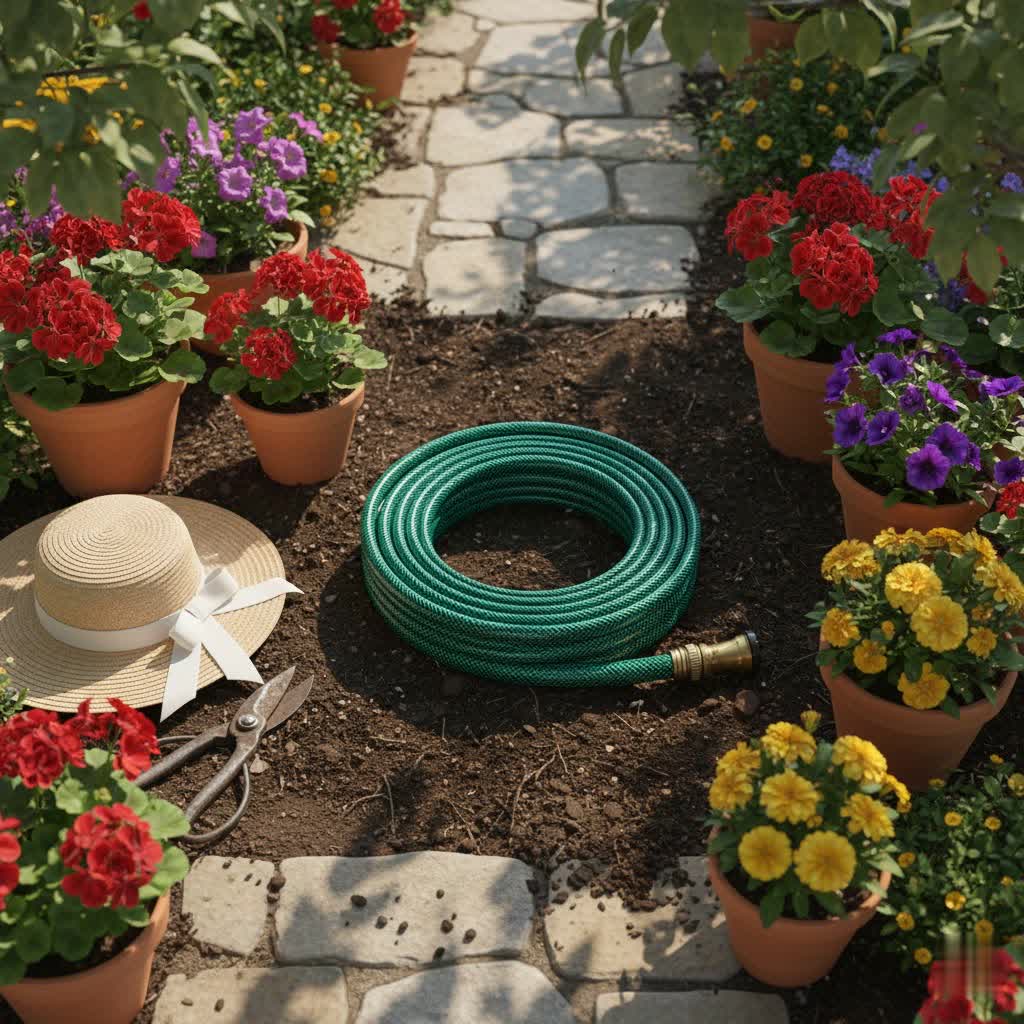
For many garden enthusiasts, the humble garden hose is a constant source of frustration. Kinks, cracks, heavy lifting, and frequent replacements often overshadow the simple joy of watering. But what if there was a hose designed to tackle these challenges head-on, offering unparalleled durability and ease of use? Enter the stainless steel garden hose, a game-changer for outdoor watering. This comprehensive guide will explore everything you need to know about these innovative hoses, helping you understand their unique advantages, how they stack up against traditional options, and what to look for when choosing the perfect one for your yard.
Understanding Stainless Steel Garden Hoses
Stainless steel garden hoses represent a significant evolution in watering technology. Unlike traditional hoses made solely of rubber, vinyl, or other synthetic materials, these hoses feature a robust exterior woven from high-grade stainless steel, typically 304-grade, encasing a flexible inner tube, often made of latex or a similar synthetic rubber. This unique construction provides an exceptional blend of strength and flexibility, aiming to eliminate the most common problems associated with garden hoses. They are designed to be a long-term investment, offering a superior watering experience that many gardeners are quickly embracing.
Pros and Cons of Stainless Steel Garden Hoses
Like any gardening tool, stainless steel hoses come with their own set of advantages and disadvantages. Understanding these can help you determine if this type of hose is the right fit for your specific needs.
Advantages
- Unmatched Durability: The most significant advantage of stainless steel hoses is their incredible resilience. The metal exterior makes them virtually impervious to punctures, abrasions, pet bites, and even being run over by a car. They are highly resistant to rust, corrosion, and UV damage, leading to a significantly longer lifespan compared to conventional hoses, often lasting 10-20 years with proper care.
- Kink-Free Performance: The interwoven stainless steel structure inherently resists kinking and tangling. This means a consistently smooth water flow and no more frustrating interruptions or wasted time untangling knots.
- Lightweight and Easy to Handle: Despite their robust appearance, many stainless steel hoses are surprisingly lightweight. A 50-foot stainless steel hose can weigh as little as 3-5 pounds, making it far easier to maneuver around the yard and coil up for storage than a heavy rubber hose.
- Low Maintenance and Cleanliness: The smooth metal surface discourages algae and mildew buildup, keeping the hose cleaner with less effort. They are also easy to wipe down after use.
- Safe for Gardens: Most stainless steel hoses feature food-grade inner liners, often made of natural latex, ensuring that the water delivered to your plants and edible gardens is free from chemical leaching.
Disadvantages
|
Our Picks for the Best Garden Hose in 2026
As an Amazon Associate I earn from qualifying purchases.
|
||
| Num | Product | Action |
|---|---|---|
| 1 | Nilight RV Water Hose 100FT Garden Drinking Hoses with Storage Bag Leakproof Anti-Kink 5/8" Inner Diameter Flexible Lightweight Freshwater Hose for RVs Campers Travel Trailer Boat Car Wash Accessories |

|
| 2 | Flexi Hose Expandable Garden Hose with 8 Function Nozzle, 100FT - Lightweight Retractable Garden Hose, Water Hose - No-Kink Flexibility, 3/4 Inch Solid Brass Fittings and Double Latex Core |
|
| 3 | Easy to Use Garden Hose 100 FT, Lightweight and Leak-Proof Heavy-Duty Flexible Water Hose 100FT with Reinforced TPE Core, 3/4" Solid Brass Fittings, Ultra-Flow Manguera Para Jardin, Built to Last |
|
| 4 | Flexzilla Garden Hose 5/8 in. x 100 ft., Lightweight All-Weather Water Hose, Durable and Flexible, Leak-Free Connections |
|
| 5 | Flexzilla Garden Hose 5/8 in. x 25 ft., Lightweight All-Weather Water Hose, Durable and Flexible, Leak-Free Connections |
|
| 6 | Flexzilla Garden Hose 5/8 in. x 50 ft., Lightweight All-Weather Water Hose, Durable and Flexible, Leak-Free Connections |
|
| 7 | YAMATIC 100FT 5/8" Garden Hose, 300 PSI Kink-Resistant Water Hose with 360° Swivel Connector & 3/4" Brass GHT Fittings, Flexible All-Weather Outdoor Hose for Yard, Lawn, Garden & Driveway |
|
| 8 | Flexi Hose Expandable Garden Hose with 8 Function Nozzle, 50FT - Lightweight Retractable Garden Hose, Water Hose - No-Kink Flexibility, 3/4 Inch Solid Brass Fittings and Double Latex Core |
|
| 9 | Amazon Basics - Garden Hose, 100ft |
|
| 10 | Flexi Hose Expandable Garden Hose with 8 Function Nozzle, 50FT - Lightweight Retractable Garden Hose, Water Hose - No-Kink Flexibility, 3/4 Inch Solid Brass Fittings and Double Latex Core |
|
- Higher Upfront Cost: Stainless steel hoses generally come with a higher price tag than their rubber or vinyl counterparts. While this is offset by their longevity and reduced need for replacement, it can be a consideration for budget-conscious buyers.
- Limited Flexibility in Tight Spaces/Cold: While kink-resistant, the metallic exterior can be somewhat rigid, making it slightly less flexible for navigating extremely tight corners or winding through dense flower beds compared to very soft rubber hoses. In extremely cold temperatures, the hose may become stiffer.
- Heat Conduction: The metal exterior can absorb and retain heat when left in direct sunlight, potentially making the hose warm to the touch. It’s advisable to wear gloves when handling a sun-baked hose and avoid using it for hot water applications, as excessive heat can impact the inner rubber lining.
- Not Always Drinking Water Safe: While many have food-grade interiors, not all stainless steel hoses are certified for potable water. Always check manufacturer specifications if you intend to use the hose for drinking.
- Length Limitations: While 100-foot options are available, traditionally, stainless steel hoses have been more commonly found in shorter lengths (e.g., 50 feet or less) compared to some other hose types.
Comprehensive Comparison: Stainless Steel vs. Traditional Hoses
Understanding how stainless steel hoses compare to other popular types can help highlight their unique position in the market.
| Hose Type | Material | Durability | Flexibility | Weight | Kink Resistance | Cost | Key Drawback |
|---|---|---|---|---|---|---|---|
| Stainless Steel | 304 SS exterior, Latex/Rubber interior | Excellent | Moderate | Lightweight | Excellent | High | Heat retention, initial rigidity |
| Rubber | Rubber | Good | High (can stiffen in cold) | Heavy | Moderate | Medium | Heavy, UV damage/cracking, prone to kinks |
| PVC/Vinyl | PVC/Vinyl | Fair | High | Lightweight | Poor | Low | Kinks easily, less durable, UV degradation |
| Expandable | Fabric exterior, Latex interior | Fair | Very High | Very Lightweight | Good | Medium | Prone to bursting/punctures |
| Flat | PVC/Vinyl | Fair | High (when empty) | Lightweight | Poor | Low | Low pressure, tangles when full |
| Drip | Polyethylene | Good | Low (stationary) | N/A | Excellent (once laid) | Medium | Clogging, not for general watering |
How to Choose the Right Stainless Steel Garden Hose
Selecting the best stainless steel garden hose involves considering several key factors to ensure it meets your specific gardening needs and offers long-term satisfaction.
Determine Your Usage Needs
Before purchasing, consider how and where you’ll use the hose.
- Yard Size and Layout: A longer hose might be necessary for larger yards, but remember stainless steel hoses can be less flexible in tight spaces.
- Watering Frequency: If you water daily, the lightweight and kink-free nature of stainless steel will be a major advantage.
- Environment: If your hose will be dragged over rough surfaces, exposed to pets, or left in harsh sunlight, the durability of stainless steel is paramount.
Focus on Quality Materials
Not all stainless steel hoses are created equal.
- Stainless Steel Grade: Look for 304-grade stainless steel for the exterior, as it offers superior rust and corrosion resistance. Some cheaper options use 201-grade, which may be less durable over time.
- Fittings: High-quality, crush-resistant brass fittings are essential. Plastic fittings are prone to breaking and leaking, undermining the overall durability of the hose.
- Inner Liner: Ensure the inner tube is made from a durable, non-toxic material like natural latex, especially if you plan to use the water for edible plants or occasionally for drinking.
Consider Length and Diameter
- Length: Stainless steel hoses are commonly available in lengths from 25 to 100 feet. Choose a length that allows you to reach all areas of your garden without excessive slack or needing extensions.
- Diameter: A 5/8-inch diameter is standard for most home gardening tasks, providing a good balance of water flow and pressure. Smaller diameters might have less flow, while larger ones can be heavier and harder to manage.
Check for Key Features
- Burst Pressure: A higher burst pressure rating (e.g., 500 PSI) indicates a stronger, more reliable hose that can withstand greater water pressure without rupturing.
- Warranty: A good warranty signifies the manufacturer’s confidence in their product’s quality and durability, offering peace of mind for your investment.
Reputable Brands
Opting for well-known brands that specialize in durable garden equipment can increase your chances of getting a high-quality product. Brands like Bionic Steel and Forever Steel are frequently cited for their robust stainless steel garden hoses.
Top Stainless Steel Garden Hose Brands
Several brands have emerged as leaders in the stainless steel garden hose market, known for their quality and performance.
- Bionic Steel: Often praised for its robust 304 stainless steel construction, Bionic Steel hoses are a popular choice for their exceptional durability and kink-free design. Their PRO series often highlights enhanced features and fittings.
- Forever Steel: This brand is noted for hoses that boast high burst strength and remain lightweight and flexible, making them a top pick for many gardeners seeking a reliable and easy-to-handle option.
- VEVOR: VEVOR offers various lengths and often includes useful accessories like multi-pattern nozzles, providing good value for those seeking a durable stainless steel option.
Tips for Using and Maintaining Your Stainless Steel Garden Hose
To maximize the lifespan and performance of your stainless steel garden hose, a few simple usage and maintenance tips can make a big difference.
- Proper Handling: While incredibly tough, avoid exposing the hose to open flames or extreme heat sources, as this can damage the inner lining. If the hose has been sitting in direct sunlight, be mindful that the metal exterior might be hot and handle with gloves if necessary.
- Storage: After each use, coil your hose loosely. While it resists kinks, proper coiling prevents unnecessary stress. Store it in a shaded area or on a hose reel to protect it from prolonged direct sunlight, which can still heat the metal over time.
- Winterization: Before freezing temperatures arrive, ensure you completely drain the hose of all water. Storing it indoors during the coldest months will prevent any residual water from freezing and potentially damaging the internal components or fittings.
- Regular Inspection: Periodically check the brass fittings for any signs of wear or looseness. Tighten them if necessary to prevent leaks. Also, inspect the hose for any unusual damage, though this is rare with stainless steel.
- Cleaning: The smooth surface of a stainless steel hose is easy to clean. A simple rinse with water after use is usually sufficient to remove dirt and grime, helping to prevent algae or mildew buildup.
Common Issues and Troubleshooting
While stainless steel hoses are designed for minimal problems, a few issues might arise.
- Hose feels rigid in cold weather: This is a common characteristic of many hose materials, including the inner lining of stainless steel hoses. Allow it to warm up slightly before use, or consider storing it in a warmer location if possible.
- Fittings leaking: If fittings leak, first ensure they are tightly secured to both the spigot and any attachments. If leaks persist, the rubber washer inside the fitting might be worn and need replacement. High-quality brass fittings are less prone to this issue.
- Water getting hot in the sun: The metal exterior is an excellent conductor of heat. If the hose has been lying in direct sunlight, the water inside can become quite warm. Run the water for a few moments to flush out the hot water before using it on delicate plants or for tasks where cool water is preferred.
Conclusion
Choosing the right garden hose is a decision that significantly impacts your outdoor tasks and overall gardening enjoyment. Stainless steel garden hoses offer a compelling blend of unmatched durability, kink-free convenience, and lightweight handling that sets them apart from traditional options. While they represent a slightly higher initial investment, their extended lifespan and reduction in common hose frustrations make them a truly worthwhile upgrade for many homeowners and avid gardeners. By focusing on quality materials, considering your specific needs, and following simple maintenance practices, you can select a stainless steel garden hose that will provide years of reliable service and transform your watering experience.
Are you ready to say goodbye to kinking and cracking, and embrace a garden hose that truly stands the test of time?
Get our weekly buyer guide
Practical specs, not advice. Unsubscribe anytime.
