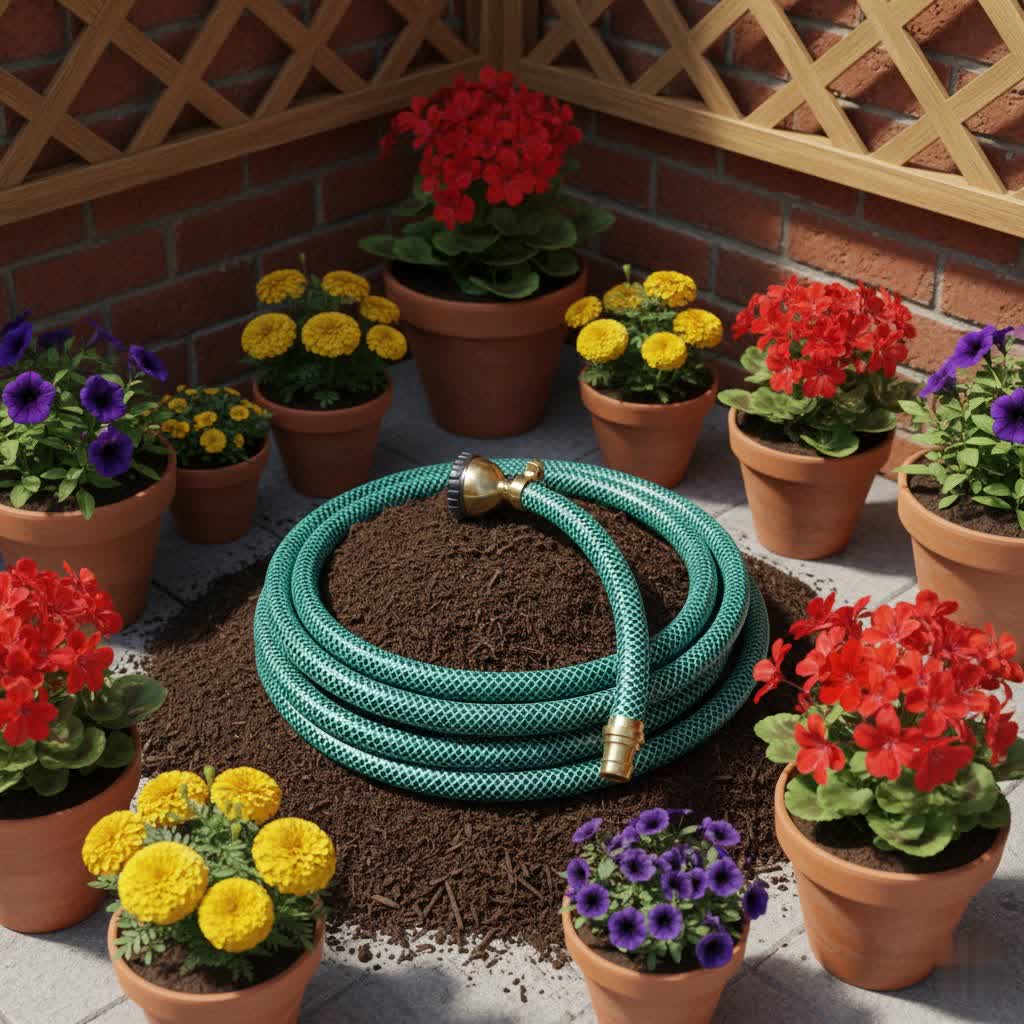
Imagine tackling tough outdoor cleaning jobs, from stubborn car grime to muddy pet paws, with the invigorating power of warm water. For many homeowners, the thought of a hot water garden hose feels like a luxury, but it’s a practical tool that can revolutionize your outdoor chores. However, connecting a standard garden hose to a hot water source is a recipe for disaster, potentially leading to damaged hoses, chemical leaching, and even scalding. This comprehensive guide will navigate the world of hot water garden hoses, helping you understand their unique properties, choose the right one for your needs, and maintain it for years of reliable service.
Understanding Hot Water Garden Hoses
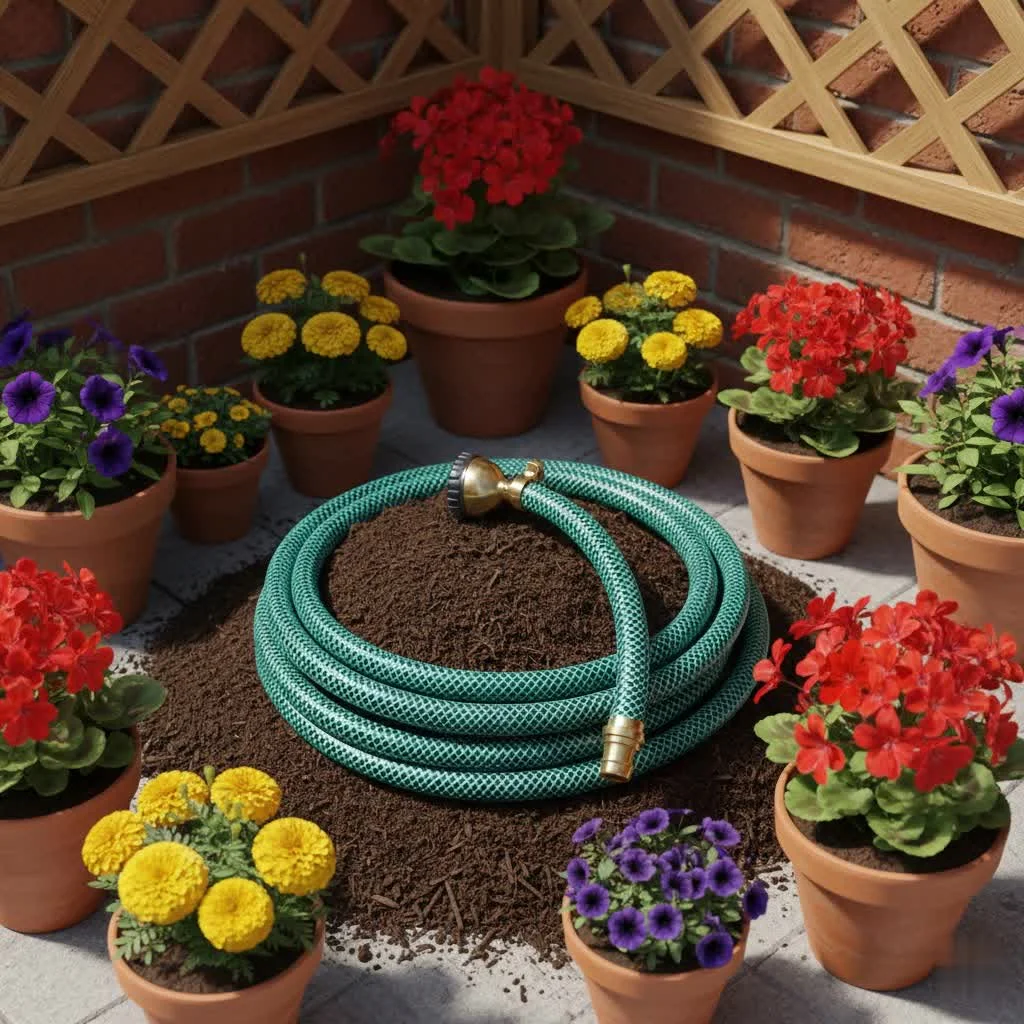
Unlike their standard counterparts, hot water garden hoses are engineered to withstand elevated temperatures without compromising their integrity or leaching harmful substances. The secret lies in their construction and the specialized materials used. While a regular garden hose might handle tepid water warmed by the sun, it’s not designed for the continuous flow of hot water directly from a heater.
Common Types of Hot Water Garden Hoses
When considering a hot water garden hose, the material is paramount. Each type offers a unique balance of durability, flexibility, and temperature resistance.
- Rubber Hoses: Often considered the gold standard for hot water applications, hoses made from heavy-duty EPDM rubber are exceptionally durable, flexible, and highly resistant to extreme temperatures, often handling water up to 190°F (88°C). While heavier and potentially more expensive, their longevity and performance make them a worthwhile investment for frequent hot water use.
- Polyurethane Hoses: These hoses offer a lighter alternative to rubber while still providing excellent durability and good heat resistance, typically rated for temperatures up to 180°F (82°C). Polyurethane hoses are known for their flexibility and resistance to kinking, making them easy to maneuver and store.
- Hybrid Polymer Hoses: Combining the best attributes of rubber and PVC, hybrid polymer hoses offer a good balance of flexibility, kink resistance, and moderate heat tolerance, often rated for up to 160°F (71°C). They are lighter than pure rubber hoses and generally more durable and heat-resistant than standard PVC.
- Expandable Hoses (Specialized): While many expandable hoses are not hot water compatible, specific models feature reinforced thermoplastic elastomer (TPE) linings and heat-resistant outer fabrics. These specialized expandable hoses can often handle temperatures up to 140°F (60°C), offering lightweight convenience and compact storage for occasional hot water tasks. However, it’s crucial to verify their hot water rating before purchase.
Comparison of Hot Water Garden Hose Materials
|
Our Picks for the Best Garden Hose in 2026
As an Amazon Associate I earn from qualifying purchases.
|
||
| Num | Product | Action |
|---|---|---|
| 1 | Flexi Hose Expandable Garden Hose with 8 Function Nozzle, 50FT - Lightweight Retractable Garden Hose, Water Hose - No-Kink Flexibility, 3/4 Inch Solid Brass Fittings and Double Latex Core |

|
| 2 | Flexi Hose Expandable Garden Hose with 8 Function Nozzle, 100FT - Lightweight Retractable Garden Hose, Water Hose - No-Kink Flexibility, 3/4 Inch Solid Brass Fittings and Double Latex Core |
|
| 3 | Easy to Use Garden Hose 100 FT, Lightweight and Leak-Proof Heavy-Duty Flexible Water Hose 100FT with Reinforced TPE Core, 3/4" Solid Brass Fittings, Ultra-Flow Manguera Para Jardin, Built to Last |
|
| 4 | Flexzilla Garden Hose 5/8 in. x 100 ft., Lightweight All-Weather Water Hose, Durable and Flexible, Leak-Free Connections |
|
| 5 | Nilight RV Water Hose 100FT Garden Drinking Hoses with Storage Bag Leakproof Anti-Kink 5/8" Inner Diameter Flexible Lightweight Freshwater Hose for RVs Campers Travel Trailer Boat Car Wash Accessories |
|
| 6 | Flexi Hose Expandable Garden Hose with 8 Function Nozzle, 50FT - Lightweight Retractable Garden Hose, Water Hose - No-Kink Flexibility, 3/4 Inch Solid Brass Fittings and Double Latex Core |
|
| 7 | Flexzilla Garden Hose 5/8 in. x 25 ft., Lightweight All-Weather Water Hose, Durable and Flexible, Leak-Free Connections |
|
| 8 | YAMATIC 100FT 5/8" Garden Hose, 300 PSI Kink-Resistant Water Hose with 360° Swivel Connector & 3/4" Brass GHT Fittings, Flexible All-Weather Outdoor Hose for Yard, Lawn, Garden & Driveway |
|
| 9 | Flexzilla Garden Hose 5/8 in. x 50 ft., Lightweight All-Weather Water Hose, Durable and Flexible, Leak-Free Connections |
|
| 10 | Amazon Basics - Garden Hose, 100ft |
|
To help you make an informed decision, here’s a detailed comparison of the most common hot water garden hose materials:
| Type of Hose | Primary Material | Typical Hot Water Temp Rating | Durability | Flexibility | Weight | Price Range | Key Advantages | Potential Disadvantages |
|---|---|---|---|---|---|---|---|---|
| Rubber (EPDM) | EPDM Rubber | Up to 190°F (88°C) | Excellent | Excellent | Heavy | Higher | Superior heat, abrasion, and kink resistance | Heaviest, can be more expensive |
| Polyurethane | Polyurethane | Up to 180°F (82°C) | Very Good | Excellent | Medium | Medium-Higher | Lightweight, highly flexible, kink-resistant | Can still be a significant investment |
| Hybrid Polymer | Polymer Blend | Up to 160°F (71°C) | Good | Very Good | Medium | Medium | Good balance of flexibility, durability, and value | May not handle extreme temperatures as consistently |
| Expandable (TPE) | Reinforced TPE/Fabric | Up to 140°F (60°C) | Moderate | Exceptional | Very Light | Medium | Extremely lightweight, compact storage, easy to use | Durability can vary, specific models only for hot water |
| PVC/Vinyl (Standard) | PVC/Vinyl | Not recommended for hot water | Poor | Good | Light | Lower | Inexpensive, widely available | Prone to cracking, stiffening, chemical leaching with heat, poor durability |
This table illustrates why a standard PVC or vinyl hose is unsuitable for hot water. When exposed to heat, these materials can degrade quickly, become brittle, and leach harmful chemicals, posing risks to both your health and your hose’s lifespan.
Essential Guide to Choosing a Hot Water Garden Hose
Selecting the perfect hot water garden hose involves more than just picking the first one you see. Careful consideration of your needs and the hose’s specifications will ensure you get a product that performs well and lasts.
1. Determine Your Specific Needs and Applications
Before anything else, consider how you intend to use the hot water hose. Will it be for:
- Washing your car or other vehicles? Warm water excels at dissolving dirt, grease, and road salt, leading to a more thorough and efficient clean.
- Bathing pets outdoors? This is a popular use, as warm water is far more comfortable for animals, especially in cooler weather, making the task less stressful for both pet and owner.
- Cleaning outdoor equipment and surfaces? From barbecues and patio furniture to muddy garden tools and greasy garage floors, hot water enhances cleaning power.
- Filling an outdoor hot tub or pool? This requires a hose that can handle higher temperatures for extended periods.
- Melting snow or ice? For clearing paths or thawing frozen pipes, a hot water hose can be invaluable in winter.
Understanding your primary uses will help you narrow down the required temperature rating, length, and durability.
2. Prioritize Temperature Rating
This is the most critical factor for a hot water hose. Always check the maximum operating temperature specified by the manufacturer. While standard hoses might tolerate incidental warm water, a dedicated hot water hose should have a rating of at least 140°F (60°C), with premium models reaching 180°F (82°C) or higher. Ensure the hose’s rating comfortably exceeds the maximum temperature of the water you intend to run through it.
3. Choose the Right Material
As discussed, rubber and polyurethane are superior choices for hot water applications due to their inherent heat resistance and durability. Hybrid polymer hoses can be a good middle-ground. Avoid standard PVC or vinyl hoses for hot water use to prevent premature failure and chemical leaching.
4. Consider Length and Diameter
- Length: Measure the furthest distance you need the hose to reach from your hot water source. It’s always better to have a slightly longer hose than one that falls short, but excessively long hoses can reduce water pressure and are harder to store.
- Diameter: Common diameters are 5/8-inch and 3/4-inch. A larger diameter (3/4-inch) provides greater water flow, which can be beneficial for tasks requiring higher volume, like filling large tubs or power washing. A 5/8-inch hose is typically sufficient for most general cleaning and watering tasks.
5. Inspect Couplings and Fittings
High-quality metal couplings, particularly brass, are essential for hot water hoses. Plastic fittings can warp or crack under high temperatures and pressure, leading to leaks and failures. Look for crush-resistant brass couplings that offer a secure, leak-proof connection.
6. Evaluate Kink Resistance
A hose that constantly kinks is frustrating and inefficient. Look for hoses advertised as “kink-resistant” or “no-kink.” Materials like rubber and polyurethane naturally offer better kink resistance than vinyl, especially when filled with water.
7. Look for Drinking Water Safety (Optional but Recommended)
If there’s any chance you’ll use the hose for filling pet water bowls, children’s pools, or other potable water uses, choose a hose certified as “drinking water safe” (often labeled NSF/ANSI 61 or 372). These hoses are free from lead, BPA, and phthalates that can leach into water, especially when heated.
8. Research Reputable Brands
Investing in a well-known brand often guarantees better quality and customer support. Brands frequently praised for their durable and hot water-compatible hoses include:
- Flexzilla: Popular for its flexible and kink-resistant hybrid polymer hoses, many of which handle warm to hot water efficiently.
- Eley: Renowned for premium, long-lasting polyurethane hoses that excel in durability and temperature resistance.
- Dramm: Offers high-quality rubber hoses, such as the ColorStorm series, known for their robustness and suitability for various temperatures.
- Continental ContiTech: Known for producing heavy-duty industrial-grade rubber hoses, including specific models designed for high-temperature water.
These brands often prioritize robust construction and quality materials, which are crucial for a reliable hot water garden hose.
Maximizing the Life of Your Hot Water Garden Hose: Care and Maintenance
Proper care and maintenance are vital to extend the lifespan of your hot water garden hose and ensure its safe operation. Neglecting these steps can lead to premature wear, leaks, and potential hazards.
1. Always Check Water Temperature
Before directing hot water onto yourself, pets, or delicate surfaces, always test the temperature. Water left in a hose exposed to direct sunlight, even without an external hot water source, can reach extreme temperatures (often over 130°F), causing severe scalding, especially to children and animals. Allow the water to run for a few moments until it reaches a safe, consistent temperature.
2. Drain After Each Use
After you’re finished, completely drain all water from the hose. This prevents several issues:
- Bacterial Growth: Stagnant water, especially warm water, is an ideal breeding ground for bacteria and algae.
- Pressure Buildup: Water expands and contracts with temperature changes, and leaving a hose pressurized can stress the material.
- Freezing Damage: In colder climates, any water left in the hose can freeze and expand, leading to cracks and bursts.
3. Store in the Shade
UV rays from the sun are a major culprit in hose degradation. Prolonged exposure can cause the material to break down, becoming brittle and prone to cracking. Always store your hot water hose in a shaded area or use a hose reel with a cover. This also prevents the water inside from superheating when not in use.
4. Coil Properly
Coil your hose neatly after each use. A good hose reel or hanger can make this process easy and prevent kinks, twists, and tangles that can weaken the hose’s structure over time. Avoid sharp bends that can crimp the hose material.
5. Regular Inspection
Periodically inspect your hose for any signs of wear and tear, such as:
- Cracks or bulges: These indicate weakened areas that could burst.
- Leaks at fittings or along the hose: Tighten couplings or replace washers as needed. If leaks are along the hose body, it might be time for a replacement.
- Fading or stiffening: These are signs of material degradation, often due to sun exposure or exceeding temperature limits.
6. Avoid Driving Over the Hose
Running vehicles or heavy equipment over your hose, even once, can cause internal damage to its reinforcement layers, leading to leaks or bursts later on.
7. Winterize Your Hose
In regions with freezing temperatures, proper winterization is crucial. Drain the hose completely, disconnect it from the spigot, and store it indoors in a cool, dry place. This prevents ice formation which can permanently damage the hose.
Common Issues and Practical Solutions for Hot Water Garden Hoses
Even the best hot water garden hoses can encounter issues over time. Knowing how to address them can save you time, money, and frustration.
1. Leaking Hoses
Problem: Water leaking from fittings or along the hose body.
Solution:
- Fittings: Often, a leak at the spigot or nozzle is due to a worn-out rubber washer. Replace the washer with a new one. Ensure all connections are tightened securely by hand or with pliers (but don’t overtighten, especially on plastic fittings).
- Hose Body: If the leak is a small pinhole, a hose repair kit might offer a temporary fix. However, for larger cracks or multiple leaks, especially on a hot water hose, replacement is usually the safest and most reliable option to prevent burst risks.
2. Kinking or Tangling
Problem: The hose twists and kinks, interrupting water flow.
Solution:
- Uncoil Fully: Always uncoil the hose completely before turning on the water pressure.
- Kink-Resistant Design: Invest in a high-quality, kink-resistant hose made from rubber or polyurethane.
- Hose Reel/Hanger: Use a hose reel or wall-mounted hanger for proper storage, which helps maintain the hose’s natural coil memory.
- Hose Guides: For long runs around obstacles, hose guides can prevent snagging and kinking.
3. Chemical Taste or Odor in Water
Problem: The water from the hose has an unpleasant taste or chemical smell.
Solution:
- Flush Thoroughly: Always flush the hose for a few minutes before use, especially if it’s been sitting in the sun or unused for a while.
- Drinking Water Safe: If you intend to use the water for drinking (pets or humans), ensure you purchase a hose specifically labeled as “drinking water safe” (NSF/ANSI certified). Standard hoses, particularly PVC, can leach chemicals.
- Replace Old Hoses: Older hoses, especially those exposed to heat, can degrade and leach more chemicals. Consider replacing them.
4. Scalding Water from Sun Exposure
Problem: Water left in the hose becomes dangerously hot due to sun exposure.
Solution:
- Always Flush: Before using, let the water run for a few moments until the temperature cools to a safe level.
- Store in Shade: Keep the hose, especially when filled with water, out of direct sunlight. A hose reel with a cover or storage in a shaded area helps immensely.
5. Hose Degradation (Cracking, Stiffening)
Problem: The hose material becomes brittle, cracks, or stiffens over time.
Solution:
- Correct Material for Temperature: Ensure you are using a hose rated for hot water. Standard hoses will quickly degrade under consistent heat.
- Proper Storage: Protect from UV rays and extreme temperatures by storing in the shade and winterizing correctly.
- Replace When Worn: Once a hose shows significant signs of cracking or hardening, its structural integrity is compromised, and it’s safer to replace it than risk a burst.
“Many users underestimate the stress hot water places on a hose. Investing in the right material, like a quality EPDM rubber, is crucial for both performance and long-term safety.”
Conclusion
Choosing the right hot water garden hose is a smart decision for any homeowner looking to enhance their outdoor cleaning and maintenance capabilities. By understanding the distinct advantages of materials like rubber and polyurethane, prioritizing temperature ratings, and adhering to proper care practices, you can select a hose that offers both efficiency and safety. From washing vehicles and bathing pets to tackling tough patio grime, a specialized hot water hose provides a level of cleaning power and comfort that cold water simply cannot match. Make an informed choice, invest in quality, and transform your outdoor chores into more effective and enjoyable tasks.
What outdoor task could you make easier with the power of a hot water garden hose?
Frequently Asked Questions
Can I use a regular garden hose for hot water?
Generally, no. Most standard garden hoses, particularly those made from PVC or vinyl, are not designed for continuous hot water use. Hot water can cause these materials to degrade, become brittle, crack, and leach harmful chemicals into the water. This compromises the hose’s lifespan and can pose health risks.
What temperature can a typical garden hose handle?
A standard garden hose can typically handle water temperatures up to about 140°F (60°C). However, for consistent hot water use, specialized hot water garden hoses made from rubber or polyurethane are recommended, as they can safely withstand temperatures ranging from 160°F (71°C) to 190°F (88°C).
Why do I need a special hot water garden hose?
You need a special hot water garden hose for safety, durability, and performance. Dedicated hot water hoses are constructed with materials resistant to high temperatures, preventing them from breaking down, cracking, or leaching chemicals. They maintain flexibility and integrity, ensuring reliable performance for tasks like washing cars, bathing pets, or cleaning outdoor surfaces.
Are hot water garden hoses drinking water safe?
Not all hot water garden hoses are safe for drinking water. Only hoses explicitly labeled as “drinking water safe” or certified by standards like NSF/ANSI 61 or 372 are guaranteed to be free from harmful chemicals like lead, BPA, and phthalates, which can leach into the water, especially when heated.
How can I connect hot water to my outdoor hose?
To connect hot water outdoors, you typically need an outdoor hot and cold water spigot, often installed by a plumber. Alternatively, portable mixing valves can be connected to an indoor hot water source (like a laundry room faucet) to mix hot and cold water to a desired temperature before sending it through an appropriate outdoor hose.
Get our weekly buyer guide
Practical specs, not advice. Unsubscribe anytime.
