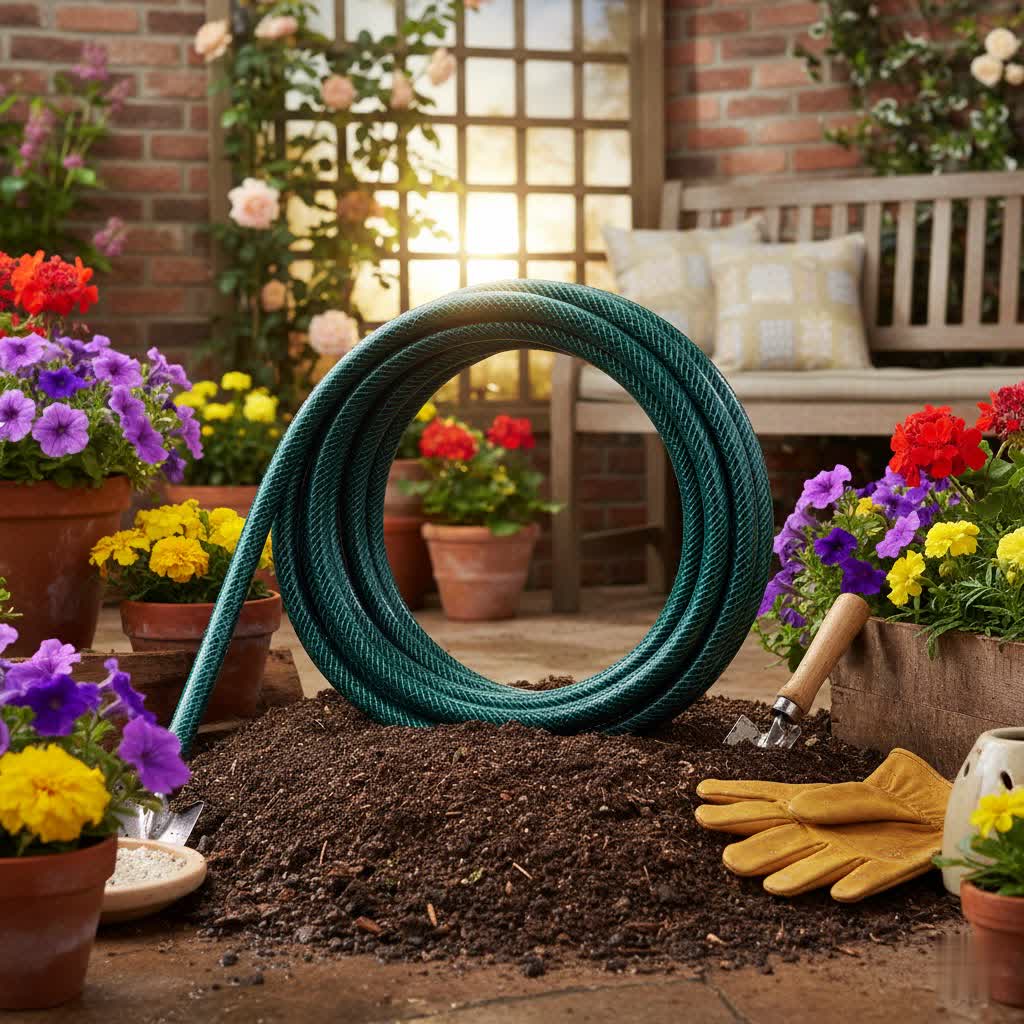
Gardening is a rewarding endeavor, bringing beauty and bounty to your home. But the joy of nurturing plants can quickly turn into a chore when you’re wrestling with a heavy, kinked, or short garden hose. This is where the 100-foot expandable garden hose steps in, offering a revolutionary solution for efficient and enjoyable watering. This comprehensive guide will equip you with all the knowledge needed to select the perfect expandable hose for your needs and ensure its longevity.
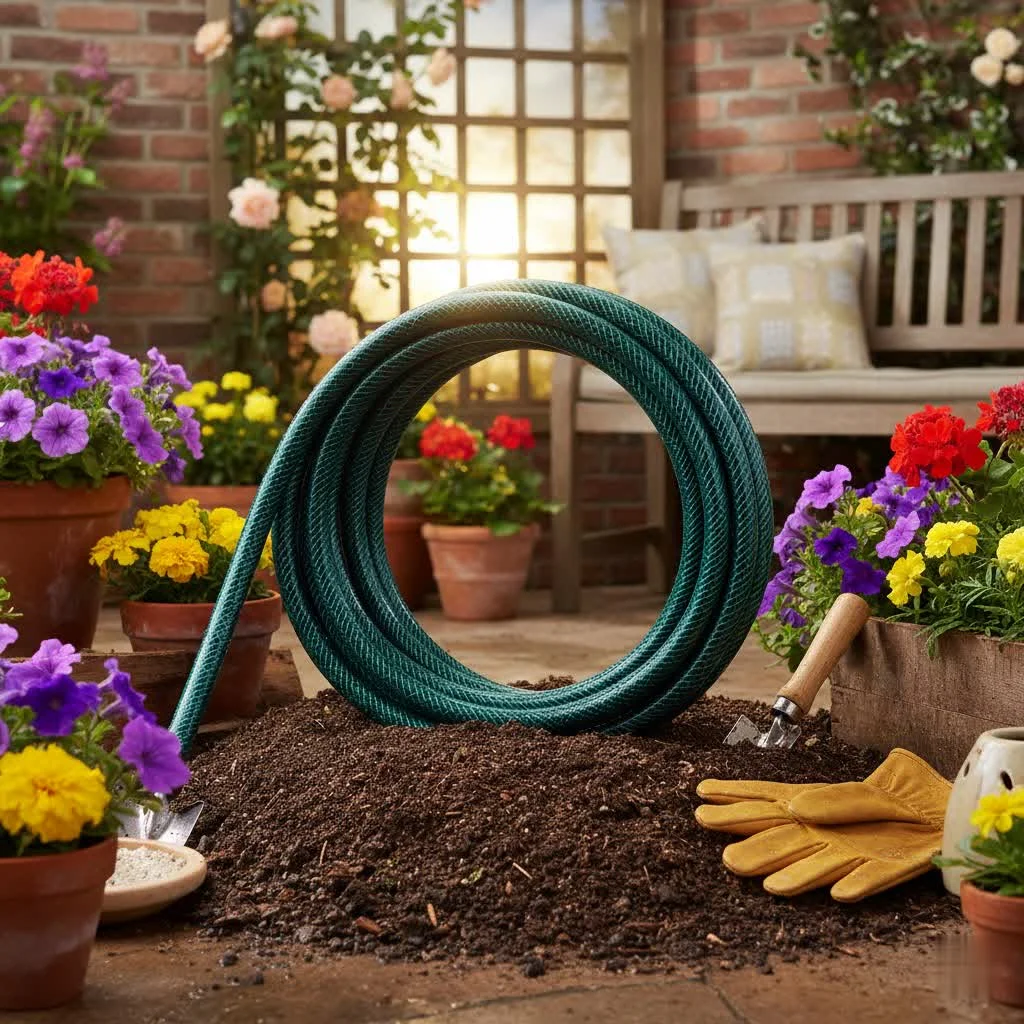
Understanding Expandable Garden Hoses
Expandable garden hoses represent a significant leap forward from traditional rubber or vinyl hoses. They are designed to be lightweight and compact when empty, often shrinking to a third of their full length, making storage a breeze. When water flows through them, they expand to their advertised length, providing ample reach for various watering tasks. This unique “shrink-and-grow” mechanism eliminates the frustrations of kinking and heavy hauling.
Compared to traditional hoses, which are typically made of durable but rigid materials like rubber or PVC, expandable hoses utilize a flexible inner core (often latex or thermoplastic copolyester) encased in a protective outer fabric shell. This design grants them superior flexibility and tangle-free operation.
Types of Expandable Garden Hoses
While the core concept remains the same, variations exist in the construction and features of expandable hoses. Understanding these can help you identify the best fit for your gardening style.
- Standard Expandable Hoses: These are the most common type, featuring a latex or thermoplastic copolyester inner core and a woven fabric exterior. They are known for being lightweight and highly flexible.
- Heavy-Duty Expandable Hoses: Often incorporating multiple layers in their inner core (two, three, or even four layers of latex) and a more robust outer fabric, these hoses aim to offer enhanced durability and burst resistance. However, the trade-off can be slightly less flexibility and a potential requirement for higher water pressure to fully expand.
- Metal Expandable Hoses: Some expandable hoses feature a stainless steel or aluminum outer casing instead of fabric. These are marketed for extreme durability and kink resistance but can be heavier and potentially scratch surfaces.
- Expandable Hoses with Included Nozzles: Many models come as a kit, including a multi-pattern spray nozzle. These integrated solutions offer convenience, though the quality of the included nozzle can vary.
Comparison Table: Expandable vs. Traditional Garden Hoses
To further illustrate the differences, let’s compare the key attributes of expandable hoses with their traditional counterparts:
| Feature | Expandable Garden Hose | Traditional Garden Hose |
|---|---|---|
| Material | Flexible inner core (latex/thermoplastic), fabric exterior | Rubber, vinyl, PVC, or composite materials |
| Weight | Very lightweight when empty | Heavy and cumbersome |
| Storage | Shrinks for compact storage, space-saving | Bulky, requires hose reel or careful coiling |
| Kinking | Kink-free design due to expanding nature | Prone to kinking and tangling |
| Durability | Susceptible to punctures/abrasion, variable lifespan | Generally more durable against rough handling |
| Water Pressure | Can impact full expansion; potential flow rate decrease | Consistent flow rate (barring kinks) |
| Lifespan | Typically 1-3 years (can vary with care and quality) | Can last 5-10+ years with proper care |
| Price | Generally competitive, especially for longer lengths | Varies widely, can be higher for heavy-duty models |
Your Essential Guide to Choosing a 100-Foot Expandable Garden Hose
Selecting the right 100-foot expandable garden hose involves more than just picking the longest option. Consider these crucial factors to ensure you make an informed decision:
1. Assess Your Watering Needs
|
Our Picks for the Best Garden Hose in 2026
As an Amazon Associate I earn from qualifying purchases.
|
||
| Num | Product | Action |
|---|---|---|
| 1 | Flexzilla Garden Hose 5/8 in. x 100 ft., Lightweight All-Weather Water Hose, Durable and Flexible, Leak-Free Connections |

|
| 2 | YAMATIC 100FT 5/8" Garden Hose, 300 PSI Kink-Resistant Water Hose with 360° Swivel Connector & 3/4" Brass GHT Fittings, Flexible All-Weather Outdoor Hose for Yard, Lawn, Garden & Driveway |
|
| 3 | Nilight RV Water Hose 100FT Garden Drinking Hoses with Storage Bag Leakproof Anti-Kink 5/8" Inner Diameter Flexible Lightweight Freshwater Hose for RVs Campers Travel Trailer Boat Car Wash Accessories |
|
| 4 | Flexi Hose Expandable Garden Hose with 8 Function Nozzle, 100FT - Lightweight Retractable Garden Hose, Water Hose - No-Kink Flexibility, 3/4 Inch Solid Brass Fittings and Double Latex Core |
|
| 5 | Easy to Use Garden Hose 100 FT, Lightweight and Leak-Proof Heavy-Duty Flexible Water Hose 100FT with Reinforced TPE Core, 3/4" Solid Brass Fittings, Ultra-Flow Manguera Para Jardin, Built to Last |
|
| 6 | Flexzilla Garden Hose 5/8 in. x 50 ft., Lightweight All-Weather Water Hose, Durable and Flexible, Leak-Free Connections |
|
| 7 | Flexi Hose Expandable Garden Hose with 8 Function Nozzle, 50FT - Lightweight Retractable Garden Hose, Water Hose - No-Kink Flexibility, 3/4 Inch Solid Brass Fittings and Double Latex Core |
|
| 8 | Amazon Basics - Garden Hose, 100ft |
|
| 9 | Flexi Hose Expandable Garden Hose with 8 Function Nozzle, 50FT - Lightweight Retractable Garden Hose, Water Hose - No-Kink Flexibility, 3/4 Inch Solid Brass Fittings and Double Latex Core |
|
| 10 | Flexzilla Garden Hose 5/8 in. x 25 ft., Lightweight All-Weather Water Hose, Durable and Flexible, Leak-Free Connections |
|
Before diving into specifications, think about your specific requirements. How large is the area you need to water? A 100-foot hose is ideal for medium to large yards, ensuring you can reach all corners without constantly moving your water source. What are your primary tasks? Are you watering delicate flowers, washing your car, or cleaning the patio? Different tasks may benefit from specific hose and nozzle features.
2. Material Quality: Inner Core and Outer Shell
The materials used dictate the hose’s durability and flexibility.
- Inner Core:
- Latex: Often found in multiple layers (2, 3, or 4-ply). More layers generally mean more protection, but can slightly reduce flexibility.
- Thermoplastic Copolyester (TPC): Known for being more heat-resistant and durable than latex, though often at a higher price point.
- Outer Fabric: This protects the inner core from abrasions and UV damage. Look for robust materials like Tetoron, high-strength polyester fiber, or DAC-5 Fiber. Some hoses use a metal outer casing for extreme durability.
3. Fittings: The Gateway to Longevity
The quality of the fittings is paramount for preventing leaks and ensuring a secure connection.
- Brass Fittings: These are the gold standard. Solid brass won’t rust or corrode and offers superior durability compared to plastic or aluminum.
- Aluminum Fittings: A step up from plastic, offering better longevity but still not as robust as brass.
- Plastic Fittings: While more affordable, plastic fittings are prone to cracking, breaking, and stripping, leading to leaks and a shorter lifespan for the hose.
- Quick-Connect Systems: Some hoses feature quick-connect adapters for effortless attachment and detachment of nozzles and sprinklers.
4. Nozzle Features and Versatility
Many expandable hoses come bundled with a spray nozzle. Look for:
- Multiple Spray Patterns: Nozzles with 7, 8, or even 10 patterns (e.g., mist, shower, jet, cone, flat) offer versatility for various tasks, from gentle plant watering to powerful cleaning.
- Ergonomic Design: A comfortable, non-slip grip and an easy-to-operate trigger or thumb-activated lock can significantly improve the user experience.
- Durability: Ensure the nozzle itself is made from sturdy materials, as a flimsy nozzle can be a weak point, even on a good hose.
5. Water Pressure Compatibility
Expandable hoses rely on water pressure to fully extend. Be aware of your home’s water pressure:
- Hoses specify a maximum PSI (Pounds Per Square Inch) they can withstand. Common ranges are 45-100 PSI, with some reaching up to 150 PSI or even 650 PSI for heavy-duty models.
- If you have low water pressure, a hose with a thicker core might not expand to its full length or deliver adequate pressure at the nozzle. Conversely, a thin-core hose with high water pressure could be at risk of bursting.
6. Brand Reputation and Warranty
Invest in a hose from a reputable brand known for quality and customer service. Check for warranties and replacement guarantees. Some brands like Flexi Hose offer lifetime warranties, which can provide peace of mind. However, some customers have reported difficulties with warranty claims, so reading recent reviews is always a good practice.
Top Expandable Garden Hose Brands to Consider
Based on current market reviews and testing, several brands stand out for their 100-foot expandable garden hoses:
- Flexi Hose: Often lauded as a top performer for its durability, kink-free design, and comprehensive features like an 8-function nozzle. Many users appreciate its long-term reliability.
- Kotto: Praised for its ease of use, lightweight design, and durability, often featuring a polyester fabric exterior that expands significantly.
- Xhose Pro: Marketed as one of the original expandable hoses, it’s often a budget-friendly option known for being lightweight and highly maneuverable, though some users express concerns about the fittings’ longevity.
- Pocket Hose (Silver Bullet/Copper Bullet): These models are recognized for their extreme flexibility, compact storage, and often include a nozzle with multiple spray settings. While convenient, some reviews point to potential durability issues over time.
- Airthereal: Features durable Tetoron material and good pressure ratings, often highlighted for its retractable and space-saving design.
- Rosy Earth: Known for offering durable, kink-free 100-foot hoses, sometimes with metal materials, though some users have noted water pressure concerns.
Smart Usage and Maintenance Tips for Your Expandable Hose
Proper care is essential to maximize the lifespan of your 100-foot expandable garden hose, which typically ranges from 1 to 3 years.
- Always Drain After Use: After turning off the water, allow the hose to fully drain and retract. This prevents pressure buildup and allows it to return to its compact size for storage. This is a critical step for longevity.
- Store Out of Direct Sunlight: Prolonged exposure to UV rays can degrade the outer fabric and inner core, leading to premature wear and tear. Store your hose in a shaded area, a garage, or a hose bag/holder.
- Avoid Extreme Temperatures: Freezing temperatures can cause residual water to expand and damage the inner core. Bring your hose indoors or to a sheltered area during winter months. High heat can also accelerate material degradation.
- Protect from Sharp Objects: The fabric exterior of expandable hoses, while durable, can be susceptible to punctures or tears from sharp rocks, thorns, or garden tools. Avoid dragging the hose over rough surfaces.
- Use the Correct Water Pressure: Operate the hose within its recommended PSI range. Too low pressure might prevent full expansion, while excessively high pressure could lead to bursting.
- Inspect Fittings Regularly: Periodically check the connections for any signs of wear, corrosion, or leaks. Tighten loose fittings or replace worn gaskets as needed.
- Consider a Hose Holder: Investing in a hose reel, hanger, or decorative pot can help keep your hose neatly stored, protected, and easily accessible.
Common Problems and Effective Solutions
Even with the best care, you might encounter some common issues with expandable garden hoses. Here’s how to address them:
- Leaks at Fittings: This is a frequent issue, often due to worn-out gaskets or loose connections.
- Solution: Tighten the fittings. If the leak persists, replace the rubber gasket inside the connector. Ensure you have brass fittings for better long-term performance.
- Hose Not Expanding Fully: This typically points to insufficient water pressure.
- Solution: Check your water source’s pressure. Ensure the faucet is fully open. If your home has consistently low pressure, consider a hose with a thinner core or adjust your expectations for the hose’s extended length.
- Hose Developing Holes or Bursts: Often caused by excessive water pressure, sharp objects, or material fatigue over time.
- Solution: Unfortunately, most expandable hoses are difficult, if not impossible, to repair once punctured or burst due to their unique construction. If under warranty, contact the manufacturer. Otherwise, it’s usually time for a replacement.
- Kinks (Rare but Possible): While designed to be kink-free, extreme twisting or snagging on obstacles can sometimes cause temporary kinks.
- Solution: Turn off the water, allow the hose to retract, and untangle it carefully. Using a hose with a highly flexible outer casing can help minimize this.
Conclusion
The 100-foot expandable garden hose offers an unparalleled blend of convenience, lightweight handling, and kink-free operation, transforming your gardening experience. By understanding the different materials, the importance of quality fittings, and adhering to simple maintenance practices, you can select a hose that serves your needs reliably for seasons to come. Prioritize durability, ease of use, and a good warranty to ensure your investment blossoms alongside your garden.
Ready to simplify your watering routine? Consider the factors outlined in this guide and choose an expandable garden hose that truly makes your outdoor tasks a pleasure, not a chore. What features matter most to you in your next garden hose?
Frequently Asked Questions
What is the biggest downside of expandable garden hoses?
The primary downside of expandable garden hoses is their potentially shorter lifespan and vulnerability to punctures or tears compared to traditional rubber hoses. Their lightweight, softer materials make them more susceptible to damage from rough surfaces, sharp objects, or extreme weather conditions. Durability can vary significantly between brands and models.
Do expandable hoses reduce water pressure?
Expandable hoses generally maintain normal water pressure. However, factors such as excessive length, low-quality materials, specific nozzle types, or kinks (though less common) can restrict water flow and lead to a perceived reduction in pressure. Choosing a high-quality hose with appropriate PSI ratings for your water source is crucial.
Can you leave an expandable garden hose outside?
While you can leave an expandable garden hose outside for short periods, it’s generally recommended to store it properly after each use to prolong its life. Draining the hose, storing it in a shaded area, protecting it from sharp objects, and disconnecting it from the water source, especially during extreme temperatures, will significantly extend its durability.
Get our weekly buyer guide
Practical specs, not advice. Unsubscribe anytime.

This guide was exactly what I needed! I was on the fence about getting a 100-foot expandable hose, worried about durability. The explanation of how they work and the importance of proper care convinced me. I’ve been using mine for a few weeks now, and it’s made watering my extensive flower beds so much easier. No more dragging a heavy hose around, and it expands perfectly every time.
I was so tired of my old, heavy rubber hose kinking every five feet. This guide really helped me understand the benefits of an expandable hose. I ended up getting a 100-foot one and it’s been a game-changer for reaching all corners of my yard without the struggle. It’s super lightweight and stores away so easily, which is a huge plus for my small shed.
The expandable hose is definitely convenient for its light weight and compact storage. However, I’ve found that the water pressure isn’t quite as strong as with my old traditional hose, which makes my sprinkler take a bit longer to cover the area. It’s not a deal-breaker, but something to consider if you have a large lawn to water. Still, for everyday plant watering, it’s pretty good.
I appreciate the tips on caring for these hoses. I’ve had one before that didn’t last, probably because I wasn’t draining it properly after each use. The new one I bought, following the advice here, has been fantastic. The 100-foot length is perfect for my large garden, and it really does shrink down to a manageable size for storage. No more wrestling with a giant coil of hose!