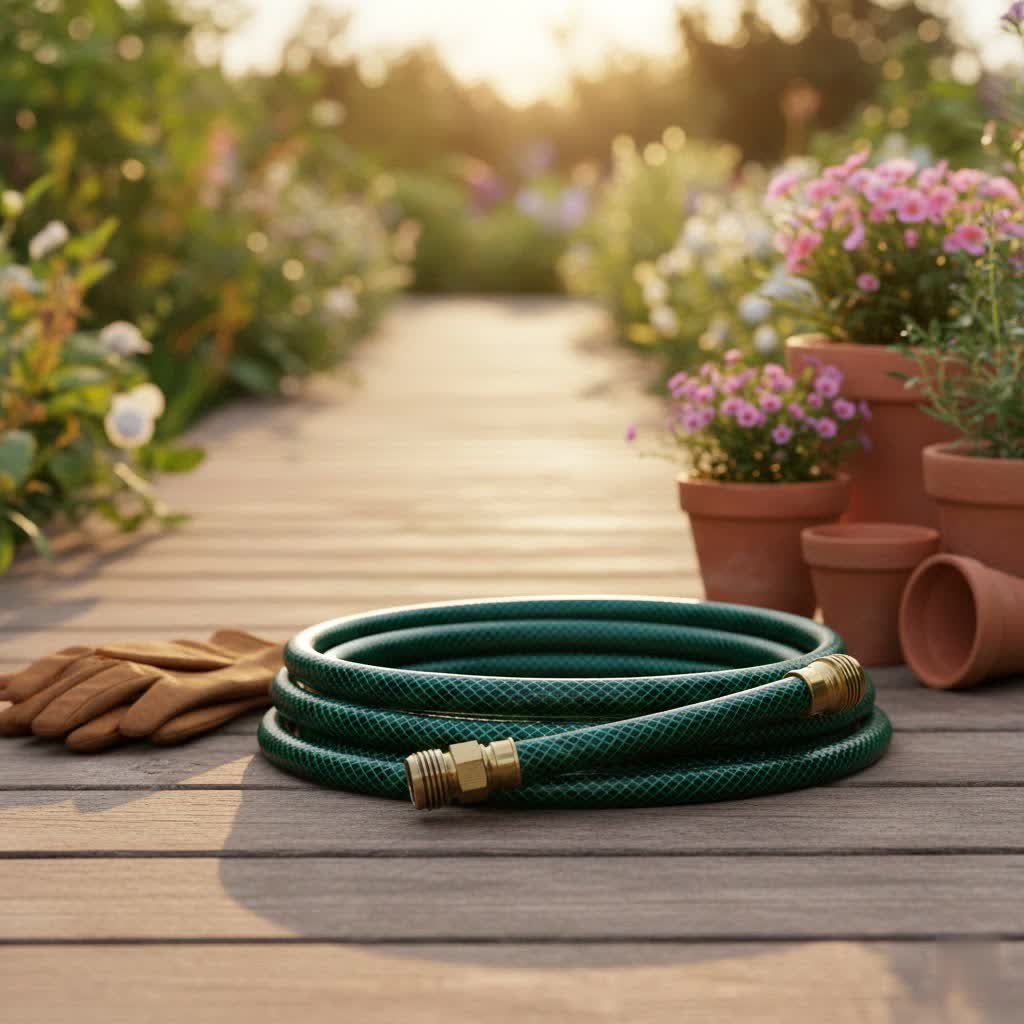
Choosing the right 50-foot garden hose is crucial for efficient garden care, with options ranging from durable rubber to lightweight expandable types. The ideal hose balances material, diameter, and kink resistance to suit specific watering needs, ensuring plants receive proper hydration without hassle. This guide details how to select and maintain a 50-foot garden hose for optimal performance and longevity.
Unpacking the Different Types of 50-Foot Garden Hoses
Choosing the ideal 50-foot garden hose begins with understanding the variety of types available, each designed with unique characteristics that cater to different watering demands and preferences. For best garden hose roundups on this site.
Rubber Garden Hoses
|
Our Picks for the Best Garden Hose in 2026
We may earn a commission when you use one of our links to make a purchase.
|
||
| Num | Product | Action |
|---|---|---|
| 1 | Easy to Use Garden Hose 100 FT, Lightweight and Leak-Proof Heavy-Duty Flexible Water Hose 100FT with Reinforced TPE Core, 3/4" Solid Brass Fittings, Ultra-Flow Manguera Para Jardin, Built to Last |

|
| 2 | Nilight RV Water Hose 100FT Garden Drinking Hoses with Storage Bag Leakproof Anti-Kink 5/8" Inner Diameter Flexible Lightweight Freshwater Hose for RVs Campers Travel Trailer Boat Car Wash Accessories |
|
| 3 | Flexi Hose Expandable Garden Hose with 8 Function Nozzle, 100FT - Lightweight Retractable Garden Hose, Water Hose - No-Kink Flexibility, 3/4 Inch Solid Brass Fittings and Double Latex Core |
|
| 4 | Flexi Hose Expandable Garden Hose with 8 Function Nozzle, 50FT - Lightweight Retractable Garden Hose, Water Hose - No-Kink Flexibility, 3/4 Inch Solid Brass Fittings and Double Latex Core |
|
| 5 | Flexzilla Garden Hose 5/8 in. x 100 ft., Lightweight All-Weather Water Hose, Durable and Flexible, Leak-Free Connections |
|
| 6 | Flexzilla Garden Hose 5/8 in. x 50 ft., Lightweight All-Weather Water Hose, Durable and Flexible, Leak-Free Connections |
|
| 7 | Flexzilla Garden Hose 5/8 in. x 25 ft., Lightweight All-Weather Water Hose, Durable and Flexible, Leak-Free Connections |
|
| 8 | Flexi Hose Expandable Garden Hose with 8 Function Nozzle, 50FT - Lightweight Retractable Garden Hose, Water Hose - No-Kink Flexibility, 3/4 Inch Solid Brass Fittings and Double Latex Core |
|
| 9 | Amazon Basics - Garden Hose, 100ft |
|
| 10 | YAMATIC 100FT 5/8" Garden Hose, 300 PSI Kink-Resistant Water Hose with 360° Swivel Connector & 3/4" Brass GHT Fittings, Flexible All-Weather Outdoor Hose for Yard, Lawn, Garden & Driveway |
|
Known for their exceptional durability and flexibility, rubber hoses are often considered the gold standard for heavy-duty use. They are robust, resistant to kinking, and can withstand extreme temperatures, making them a long-lasting investment. However, their superior build comes with a trade-off: rubber hoses tend to be heavier and typically have a higher price tag. This weight can be a consideration for those who need to move their hose frequently across larger areas.
PVC (Vinyl) Garden Hoses
PVC or vinyl hoses are a popular choice due to their affordability and lighter weight, making them easier to maneuver than their rubber counterparts. While budget-friendly, lower-quality vinyl hoses can be prone to kinking, cracking, and deterioration when exposed to UV light or harsh weather over time. Higher-quality vinyl hoses, often reinforced, offer improved durability and kink resistance, bridging the gap between basic vinyl and more premium options.
Expandable Garden Hoses
Expandable hoses are a modern marvel, designed to grow significantly in length when filled with water and then contract to a compact size for easy storage. Typically featuring a latex or TPC core encased in a fabric sheath, these hoses are remarkably lightweight and convenient. However, their primary drawback lies in their durability; they can be more susceptible to punctures and may not withstand constant heavy use as well as traditional hoses.
Flat Garden Hoses
Resembling a fire hose, flat garden hoses lie flat when empty, making them incredibly easy to store and reel. They are generally lightweight and can be a good space-saving solution. The main disadvantage is that they need to unroll completely to allow full water flow, and their flat design can make them prone to twisting, potentially reducing water pressure. They are best suited for situations where you need to quickly deploy and store the hose.
Soaker Hoses
Soaker hoses are specifically designed for efficient, targeted watering. Made from a porous material, often recycled rubber or polyethylene, they slowly “weep” water directly into the soil, minimizing evaporation and waste. While excellent for deep watering garden beds and vegetable patches, they are not suitable for general-purpose spraying or high-pressure tasks. A 50-foot soaker hose is perfect for establishing a consistent watering line.
Metal Garden Hoses
Constructed from stainless steel, metal hoses are highly resistant to kinks, punctures, and animal damage, offering impressive durability. They are often lightweight and cool to the touch, even in direct sunlight. While they boast robust construction, some users find them less flexible than rubber or hybrid options, and they might have a different aesthetic.
Comprehensive Comparison: 50-Foot Garden Hoses at a Glance
To help visualize the distinctions, here’s a comparison table summarizing the key attributes of popular 50-foot garden hose types:
| Hose Type | Material | Durability | Weight | Kink Resistance | Price | Ideal Use |
|---|---|---|---|---|---|---|
| Rubber | Heavy-duty rubber | Excellent | Heavy | High | High | General, heavy-duty, all-weather |
| PVC/Vinyl | PVC | Moderate-Good | Light | Low-Moderate | Low | Light-duty, budget-conscious |
| Expandable | Latex/TPC with fabric | Moderate | Very Light | High | Medium | Small spaces, easy storage, light watering |
| Flat | PVC/Vinyl | Moderate | Light | Moderate | Low-Medium | Space-saving, quick deployment |
| Soaker | Porous rubber/polyethylene | Good | Medium | Low | Medium | Targeted, water-efficient garden bed watering |
| Metal | Stainless Steel | Excellent | Light-Medium | Very High | Medium-High | Kink-proof, durable, puncture-resistant |
Your Guide to Choosing the Perfect 50-Foot Garden Hose
Selecting the right 50-foot garden hose requires a thoughtful assessment of your specific gardening environment and watering habits. Consider these critical factors to ensure your choice meets your needs.
Define Your Watering Needs
Before anything else, consider how you’ll primarily use your hose. Is it for daily watering of a small flower bed, washing your car every weekend, or tackling larger landscaping projects? A 50-foot hose is typically ideal for medium-sized gardens and driveways, offering a good balance of reach without excessive weight or bulk. For light, routine tasks, a lightweight or expandable hose might be sufficient. If you’re consistently cleaning patios or needing strong pressure for stubborn dirt, a heavy-duty rubber or metal hose would be more appropriate. Your usage frequency and the types of tasks will heavily influence the best material and features for you.
Selecting the Right Material
The material of your garden hose is paramount, influencing its durability, flexibility, and overall performance.
- Rubber: Opt for rubber if longevity and all-weather performance are top priorities. These hoses are incredibly durable, resistant to kinks and cracks, and hold up well in various temperatures.
- Vinyl (PVC): For budget-conscious buyers or those needing a very lightweight option for occasional use, vinyl can be suitable. However, invest in a reinforced vinyl hose to improve kink resistance and lifespan.
- Hybrid: A popular compromise, hybrid hoses blend rubber and PVC for a balance of flexibility, durability, and a lighter weight than pure rubber. Brands like Flexzilla often feature hybrid polymer constructions that remain flexible even in cold temperatures.
- Expandable: Best for small yards or limited storage, these hoses are incredibly light and compact when empty but can be less durable for rigorous use.
- Metal: If you frequently deal with kinks or concerns about punctures from sharp objects, a stainless steel metal hose offers excellent resilience and often remains cool to the touch.
Understanding Size: Length and Diameter
A 50-foot length is a versatile choice for many homeowners. It offers ample reach for most medium-sized properties, covering areas like front yards, back gardens, and driveways without being overly cumbersome. Longer hoses (e.g., 100 ft) experience greater pressure loss, so a 50-foot hose helps maintain good water flow. If you only occasionally need a longer reach, consider connecting two shorter hoses.
Hose diameter impacts water flow:
- 1/2 inch: Lighter and more flexible, good for small gardens and light watering tasks like hanging baskets. Less water flow.
- 5/8 inch: The most common residential diameter, offering a good balance of water flow and pressure for general tasks like watering plants and washing cars. This is typically the standard for 50-foot hoses.
- 3/4 inch: Provides the highest water flow, ideal for large yards, commercial use, or tasks requiring significant water volume, such as running sprinklers or filling pools quickly.
For a 50-foot hose, a 5/8-inch diameter is usually recommended as it strikes the optimal balance for most home applications.
Quality and Construction: Beyond the Basics
Beyond material, examine the overall construction. Look for multi-ply construction (layers of material) which enhances burst strength and kink resistance. Reinforced hoses often feature mesh or polyester layering to boost durability and prevent bursting under pressure.
Fittings and Couplings: These are common points of failure, so inspect them carefully.
- Brass fittings are highly durable, corrosion-resistant, and last longer than plastic.
- Plastic fittings are lighter and less expensive but more prone to cracking or breaking.
- Some hoses feature ergonomically shaped plastic couplings that are easier to tighten, especially for those with limited hand strength. Look for anti-kink collars near the couplings for added protection.
Evaluating Kink Resistance
Kinking is one of the most common frustrations with garden hoses. Look for hoses specifically advertised as “kink-free” or “kink-resistant.” While no hose is truly 100% kink-proof under all circumstances, certain designs and materials excel. Hybrid polymers, woven constructions, and those with reinforced internal structures generally perform better in this regard.
Weight and Ease of Use
Consider the hose’s weight, especially if you’ll be moving it frequently. A 50-foot rubber hose can be considerably heavier than an expandable or lightweight hybrid hose. Test the hose’s flexibility – a more flexible hose is easier to maneuver around obstacles, coil, and store.
Brand Reputation
Investing in a hose from a reputable brand often means better quality assurance and customer support. Brands frequently praised for their 50-foot garden hoses include Teknor Apex (Zero-G), Flexzilla, HydroTech, Gardena, and Gilmour. These brands often prioritize durability, kink resistance, and ease of use in their designs.
Top Picks: Esteemed 50-Foot Garden Hose Brands
While personal preference and specific needs dictate the ultimate choice, several brands consistently receive high marks for their 50-foot garden hoses:
- Teknor Apex Zero-G: Praised for being lightweight, incredibly flexible, and highly kink-resistant due to its woven construction. It’s often a top choice for ease of handling and durability.
- Flexzilla: Known for its hybrid polymer construction that offers exceptional flexibility, even in cold weather, and excellent kink resistance. Many Flexzilla 50-foot hoses are also safe for drinking water.
- HydroTech: Offers various hoses, including popular expandable models that are lightweight and easy to store, expanding to their full 50-foot length when in use.
- Stanley Fatmax: Often recommended for heavy-duty applications, these hoses are built tough to withstand rigorous use in larger yards.
- Gilmour: A long-standing brand offering a range of quality hoses, including durable rubber and flexible hybrid options suitable for various gardening tasks.
Maximizing Longevity: Usage and Storage Tips for Your 50-Foot Garden Hose
A quality 50-foot garden hose is an investment, and with proper care, it can provide years of reliable service.
Drain After Every Use
Always turn off the water at the spigot and drain your hose completely after each use. Water left inside can promote mildew and algae growth, and in colder climates, trapped water can freeze and cause the hose to burst. Lifting and walking the hose from one end helps ensure it’s fully empty.
Coil and Store Properly
Avoid leaving your hose lying in sharp coils or tangled piles. Instead, coil it loosely in large loops. Using a hose reel, caddy, or wall-mounted hanger keeps it neatly organized, off the ground, and prevents kinks and structural damage.
Protect from the Elements
Prolonged exposure to direct sunlight and extreme temperatures (hot or cold) can degrade hose materials, leading to cracking and weakening. Store your hose in a shaded area, a shed, or a garage when not in use. In winter, disconnect it from the spigot, drain it, and store it indoors to prevent freezing damage.
Manage Water Pressure
While hoses are built to withstand certain pressures, consistently operating at excessively high pressure can reduce their lifespan. Use recommended water pressure and ensure all connections are tight to prevent unnecessary strain.
Gentle Handling is Key
Avoid dragging your hose across abrasive surfaces like concrete driveways or sharp rocks. This can scuff, puncture, or prematurely wear down the outer jacket. Use hose guides around garden corners to prevent tight bends and rubbing.
Troubleshooting Common 50-Foot Garden Hose Problems
Even with the best care, garden hoses can encounter issues. Here’s how to tackle some common problems:
Leaks and Drips
- At the connection: Most leaks occur at the spigot or nozzle connection. First, check that the fittings are securely tightened. If the leak persists, the rubber washer inside the coupling might be worn or missing. Replace it with a new washer.
- Along the hose: Small punctures or cracks can often be repaired with a hose repair kit, which typically involves cutting out the damaged section and inserting a coupling to rejoin the hose. For minor pinholes, waterproof repair tape can offer a temporary fix.
Kinks and Twists
Kinks usually happen when hoses are coiled incorrectly or pulled taut around obstacles.
- Prevention: Invest in a kink-resistant hose, or use hose guides.
- Resolution: If a kink occurs, turn off the water, untangle the hose, and uncoil it. Avoid forcing water through a kinked hose, as this can cause permanent damage or bursting.
Low Water Pressure
Several factors can lead to diminished water pressure:
- Kinks: Check the entire length of the hose for kinks or tight bends.
- Clogs: Debris or sediment can build up inside the hose or nozzle. Disconnect the nozzle and flush the hose. Clean the nozzle screen if it’s detachable.
- Source: Ensure your outdoor spigot is fully open and that there aren’t any issues with your home’s water pressure.
- Hose Diameter/Length: If you consistently experience low pressure with a longer hose, a larger diameter hose might be needed to compensate for pressure loss.
Hose Won’t Coil
If your hose is stiff and difficult to coil, especially in cold weather, it might be due to the material. Rubber and hybrid hoses tend to remain more flexible. Always drain the hose thoroughly before coiling, as trapped water adds rigidity. If your hose is made of a less flexible material, try coiling it immediately after use when it might be warmer and more pliable.
Conclusion
Choosing the right 50-foot garden hose is a crucial step toward effortless garden care and efficient outdoor tasks. By considering your specific needs, understanding the differences in materials like durable rubber, lightweight vinyl, convenient expandable, or robust metal, and paying attention to vital features such as kink resistance and quality fittings, you can select a hose that truly performs. Proper usage and consistent maintenance—like draining after use, correct storage, and protection from harsh elements—are just as important as the initial selection in extending your hose’s life and preventing common frustrations. Make an informed decision today, and improve your watering routine from a chore into a joy.
What steps will you take to ensure your new 50-foot garden hose becomes a lasting companion in your outdoor endeavors?
Frequently Asked Questions
Is a 50-foot garden hose long enough for most homes?
Yes, a 50-foot garden hose is generally an excellent choice for most medium-sized residential yards and gardens. It provides sufficient reach for watering plants, washing cars, and various outdoor tasks without being excessively long, which can lead to reduced water pressure and cumbersome storage. For very large properties, you might consider connecting two 50-foot hoses or opting for a longer single hose.
What is the best material for a kink-free 50-foot garden hose?
For excellent kink resistance in a 50-foot hose, materials like hybrid polymers (e.g., Flexzilla), heavy-duty rubber, and stainless steel metal hoses are top contenders. These materials are engineered to maintain their structure and flexibility, even when maneuvering around obstacles, significantly reducing the frustration of kinks.
How do I prevent my 50-foot garden hose from cracking in winter?
To prevent your 50-foot garden hose from cracking in winter, it’s essential to disconnect it from the spigot, drain all water thoroughly, and store it in a dry, protected indoor area like a shed or garage. Residual water can freeze and expand, causing internal damage and cracking. Avoiding prolonged exposure to freezing temperatures will significantly extend its lifespan.
Can I drink water from any 50-foot garden hose?
No, not all 50-foot garden hoses are safe for drinking water. Many hoses are made with materials that can leach chemicals into the water, posing health risks. Always look for hoses explicitly labeled as “drinking water safe” or “lead-free” if you intend to use them for potable water.
What diameter is best for a 50-foot garden hose?
For most residential applications using a 50-foot garden hose, a 5/8-inch diameter is generally recommended. This size offers an optimal balance between water flow rate and manageable weight, making it versatile for various tasks from watering delicate plants to more robust cleaning. A 3/4-inch diameter provides higher flow but is heavier, while 1/2-inch has lower flow but is lighter.
Get our weekly buyer guide
Practical specs, not advice. Unsubscribe anytime.

I finally replaced my old, leaky hose with one of the durable rubber hoses mentioned. What a difference! It’s so much more robust and I haven’t had a single kink since I started using it. Watering my medium-sized yard is actually enjoyable now, and I don’t have to fight with the hose constantly.
I tried an expandable 50-foot hose after reading about them, hoping for something super lightweight. While it’s definitely easy to move around, I’ve noticed it doesn’t feel as sturdy as my old vinyl one. I’m a bit worried about its longevity, especially with how much I use it for my flower beds. It’s okay for light tasks, but I might need something more heavy-duty next season.
I was always struggling with my old hose kinking every five minutes, which made watering my vegetable patch a nightmare. After reading about the importance of kink resistance, I invested in a higher-quality hose with a larger diameter. It’s made such a huge difference; no more frustrating stops and starts. My plants are much happier, and so am I!
This guide really helped me narrow down my choices for a 50-foot hose. I ended up getting a hybrid material hose, and it’s been a great compromise between durability and weight. It handles the pressure well for my sprinkler system and doesn’t get tangled up like my previous hose did. Definitely a solid upgrade for my garden.