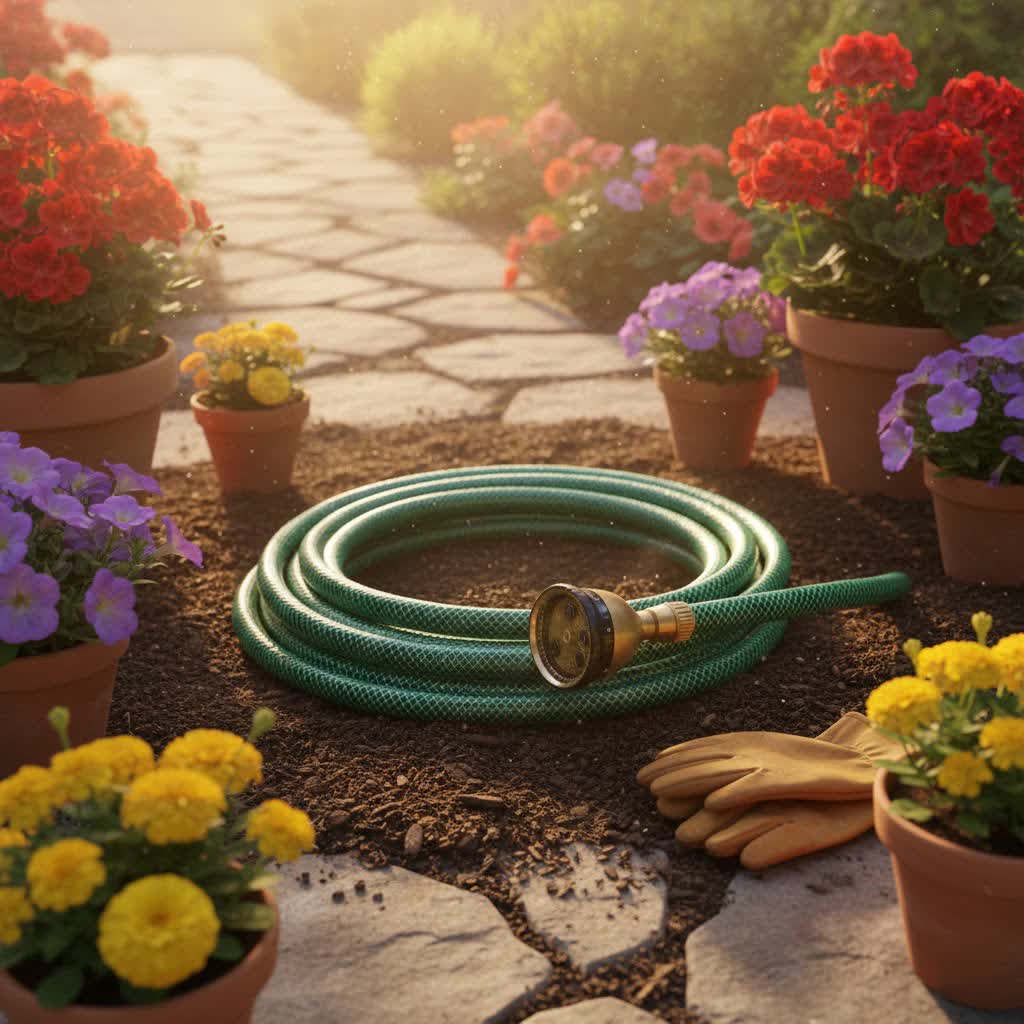
A functional garden hose is the lifeline of any thriving outdoor space, but finding one that perfectly balances length, durability, and ease of use can be a challenge. When your watering needs extend across a medium to large yard, a 75-foot garden hose often hits the sweet spot, providing ample reach without the cumbersome weight and storage demands of longer alternatives. This guide will provide comprehensive insights to help you select the ideal 75-foot garden hose for your specific requirements, ensuring efficient watering and long-lasting performance.
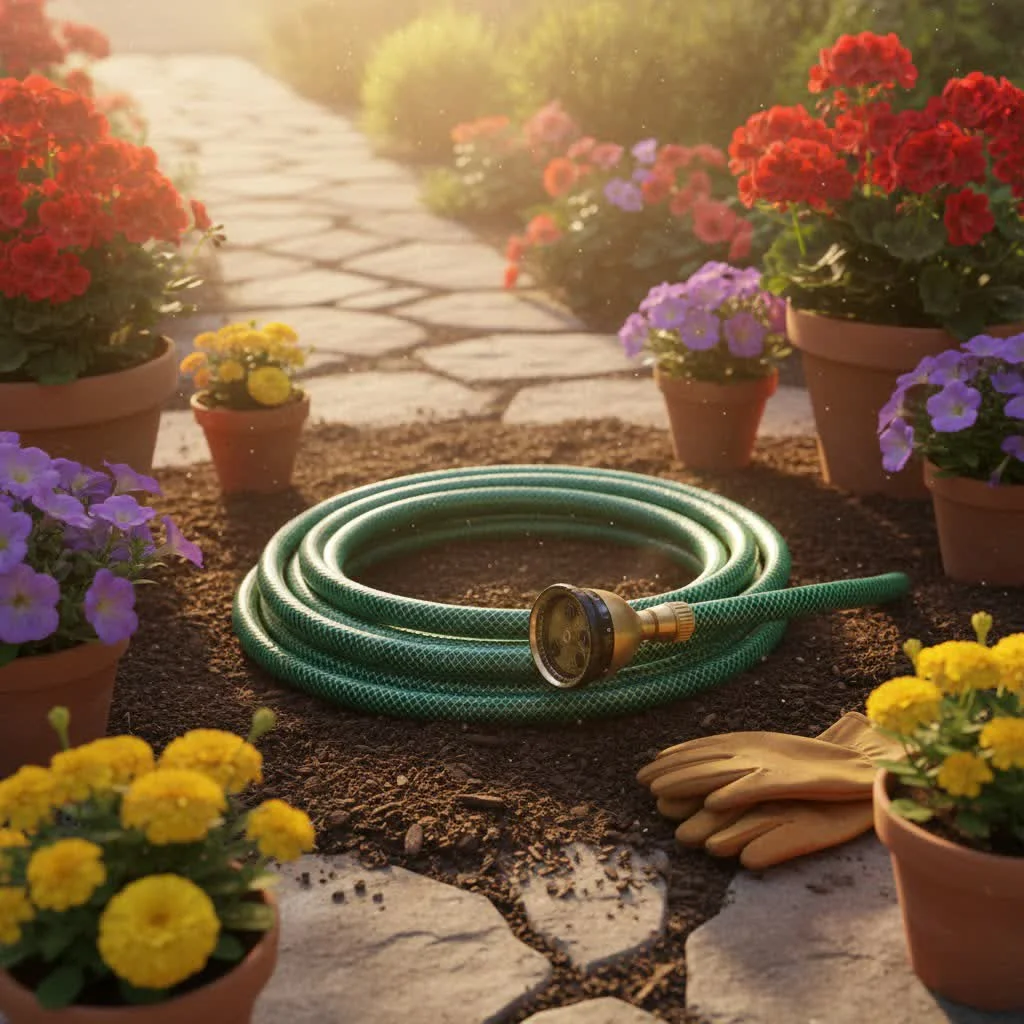
Types of Garden Hoses for a 75-Foot Reach
When navigating the world of garden hoses, understanding the different types and their ideal applications is crucial, especially when considering a 75-foot length. Each material offers a unique combination of benefits and drawbacks. For more garden hose guides on this site.
Rubber Hoses
Traditional rubber hoses are renowned for their strength and resilience, making them a top choice for demanding garden tasks. These hoses are built to withstand heavy use, resist abrasions, and maintain flexibility across a wide range of temperatures. While rubber hoses can be on the heavier side, some modern formulations, like the Ag-Lite Rubber Garden Hose, offer a surprisingly lightweight design, often weighing under 12 pounds for a 75-foot length, which significantly aids maneuverability. However, it’s worth noting that traditional rubber hoses are not always rated as drinking water safe, as some materials may leach chemicals into the water.
PVC/Vinyl Hoses
PVC or vinyl hoses are often the most budget-friendly and lightweight options available. They are suitable for light-duty watering tasks where extreme durability isn’t a primary concern. The trade-off for their affordability and lightness is reduced durability; these hoses are more prone to kinking, cracking, and degradation from UV exposure over time. For a 75-foot length, a vinyl hose might be easy to move, but its susceptibility to kinks and a shorter lifespan can lead to frustration.
Hybrid Polymer Hoses
Hybrid polymer hoses represent a popular middle ground, blending the best attributes of rubber and PVC. They typically offer good flexibility, superior kink resistance compared to pure vinyl, and a more manageable weight than heavy-duty rubber. Many hybrid options, such as the Flexzilla SwivelGrip, are also specifically labeled as “drinking water safe,” making them ideal for filling pet bowls or children’s pools. While generally durable, their performance can vary between brands, and some may still show vulnerability to kinking under extreme stress.
Expandable Hoses
Expandable hoses are a modern innovation prized for their extremely lightweight and compact storage capabilities. When empty, they shrink down significantly, but expand up to three times their length once pressurized with water. This feature often makes them tangle and kink-free during use. However, these hoses typically have a thinner internal diameter, which can result in lower water flow compared to traditional hoses. Durability can also be a concern, with expandable hoses being more prone to punctures and generally having a shorter lifespan than robust rubber or hybrid alternatives [1_search_result_4]. They are best suited for light watering in smaller areas, where their compact nature and ease of handling for a 75-foot span outweigh potential durability issues.
Metal (Stainless Steel) Hoses
|
Our Picks for the Best Garden Hose in 2026
As an Amazon Associate I earn from qualifying purchases.
|
||
| Num | Product | Action |
|---|---|---|
| 1 | Flexi Hose Expandable Garden Hose with 8 Function Nozzle, 100FT - Lightweight Retractable Garden Hose, Water Hose - No-Kink Flexibility, 3/4 Inch Solid Brass Fittings and Double Latex Core |

|
| 2 | Easy to Use Garden Hose 100 FT, Lightweight and Leak-Proof Heavy-Duty Flexible Water Hose 100FT with Reinforced TPE Core, 3/4" Solid Brass Fittings, Ultra-Flow Manguera Para Jardin, Built to Last |
|
| 3 | Flexi Hose Expandable Garden Hose with 8 Function Nozzle, 50FT - Lightweight Retractable Garden Hose, Water Hose - No-Kink Flexibility, 3/4 Inch Solid Brass Fittings and Double Latex Core |
|
| 4 | Nilight RV Water Hose 100FT Garden Drinking Hoses with Storage Bag Leakproof Anti-Kink 5/8" Inner Diameter Flexible Lightweight Freshwater Hose for RVs Campers Travel Trailer Boat Car Wash Accessories |
|
| 5 | Flexzilla Garden Hose 5/8 in. x 100 ft., Lightweight All-Weather Water Hose, Durable and Flexible, Leak-Free Connections |
|
| 6 | YAMATIC 100FT 5/8" Garden Hose, 300 PSI Kink-Resistant Water Hose with 360° Swivel Connector & 3/4" Brass GHT Fittings, Flexible All-Weather Outdoor Hose for Yard, Lawn, Garden & Driveway |
|
| 7 | Flexzilla Garden Hose 5/8 in. x 50 ft., Lightweight All-Weather Water Hose, Durable and Flexible, Leak-Free Connections |
|
| 8 | Flexi Hose Expandable Garden Hose with 8 Function Nozzle, 50FT - Lightweight Retractable Garden Hose, Water Hose - No-Kink Flexibility, 3/4 Inch Solid Brass Fittings and Double Latex Core |
|
| 9 | Amazon Basics - Garden Hose, 100ft |
|
| 10 | Flexzilla Garden Hose 5/8 in. x 25 ft., Lightweight All-Weather Water Hose, Durable and Flexible, Leak-Free Connections |
|
Metal garden hoses, typically made from stainless steel, are a niche but highly durable option. They are exceptionally resistant to punctures, kinking, and general wear and tear, offering peace of mind even in rugged environments. Despite their metal construction, many models, like the Bionic Steel Garden Hose, are surprisingly lightweight and flexible. A key consideration is that metal hoses can become quite hot if left in direct sunlight, and their distinctive appearance might not blend seamlessly with every garden aesthetic.
Flat/Soaker Hoses
While not a general-purpose spraying hose, flat hoses, particularly soaker varieties, deserve mention for specific 75-foot applications. These hoses are designed to lie flat and deliver water slowly and consistently directly to the soil, minimizing waste. They are excellent for saturating vegetable gardens or foundation beds. However, they are not suitable for high-pressure spraying tasks and can be challenging to maneuver if not laid out in a relatively straight line.
Comparative Table: 75-Foot Garden Hose Types
When choosing a 75-foot garden hose, weighing the characteristics of each type is essential. This table offers a quick comparison to guide your decision:
| Hose Type | Material | Durability | Weight (75ft estimate) | Kink Resistance | Pros | Cons |
|---|---|---|---|---|---|---|
| Rubber | Rubber | High | Medium to Heavy | High | Very durable, good for heavy use, handles extreme temperatures. | Can be heavy, may leach chemicals (check for potable rating). |
| PVC/Vinyl | PVC/Vinyl | Low | Light | Low | Inexpensive, lightweight. | Prone to kinks, cracks, UV damage, shorter lifespan. |
| Hybrid Polymer | Rubber/PVC Blend | Medium-High | Light-Medium | High | Flexible, often kink-resistant, good all-rounder, some are drinking water safe. | Durability varies by brand, can still kink under extreme stress. |
| Expandable | Latex/Fabric | Low-Medium | Very Light | Very High | Compact storage, lightweight, tangle-free when pressurized. | Lower water flow, prone to punctures, less durable, length varies with pressure. |
| Metal | Stainless Steel | Very High | Light-Medium | Very High | Puncture-proof, extremely durable, no kinks. | Can get hot in sun, distinctive look, may be stiffer than other types. |
Choosing Your 75-Foot Garden Hose: A Buying Guide
Selecting the right 75-foot garden hose involves more than just picking a length. Thoughtful consideration of your specific needs and the hose’s features will ensure satisfaction.
Assess Your Watering Needs
Before making a purchase, take stock of your yard and routine. A 75-foot hose is an excellent choice for medium to large yards, providing enough length to reach most areas without the constant hassle of moving your spigot. Consider the layout of your garden: are there many obstacles that might require extra flexibility or kink resistance? The tasks you perform also matter significantly. Heavy-duty cleaning, like power washing or car washing, demands a hose with excellent burst strength and potentially a wider diameter for maximum flow. For delicate plant watering, a lighter, more flexible option might be more suitable. Also, consider your existing water pressure; a longer hose necessitates a good flow rate to maintain effective pressure at the nozzle.
Select the Right Material
As detailed in the comparative table, material choice is paramount for a 75-foot hose. For most homeowners, a high-quality hybrid polymer or a robust yet lightweight rubber hose strikes the best balance of durability, kink resistance, and manageable weight. These materials tend to be more resilient to daily wear and can withstand various weather conditions. If portability and easy storage are your absolute top priorities for occasional light watering, an expandable hose might fit the bill, but be aware of its durability limitations. For ultimate resistance to punctures and kinks, a metal hose is an impressive, albeit specialized, option.
Consider Hose Diameter
The diameter of your hose directly impacts water flow and pressure. For a 75-foot length, a 5/8-inch diameter is the residential standard, providing adequate water flow for most everyday gardening tasks, from watering plants to washing a car. If you require maximum flow and pressure for larger-area sprinklers, extensive cleaning projects, or pushing water uphill, a 3/4-inch diameter hose is a better choice, though it will naturally be heavier and bulkier. It’s crucial to select the correct length and diameter upfront, as coupling multiple hoses together to achieve a 75-foot reach can significantly reduce water pressure and increase the risk of leaks.
Examine Quality and Fittings
The small details often make the biggest difference in a hose’s performance and longevity.
- Kink Resistance: This is a non-negotiable feature for a 75-foot hose, which is inherently more prone to tangling and kinks due to its length. Look for hoses with multi-ply construction, internal reinforcement (like metal mesh), or advanced “kink-resistant” technology. Remember, even “kink-free” typically means “kink-resistant” in practice.
- Couplings: The fittings at each end are critical connection points. Brass fittings are generally superior, offering excellent durability and resistance to corrosion, especially if your hose will be left outdoors. Aluminum fittings are lighter and less expensive but may degrade more quickly. Hoses featuring ergonomic grips or swivel connectors can make attaching and detaching from spigots and nozzles much easier, a blessing for those with limited hand strength.
- Burst Strength: This rating indicates the maximum water pressure a hose can withstand before bursting. For typical home garden use, a hose with at least 150 PSI (pounds per square inch) burst strength is usually sufficient. However, if you plan to connect your 75-foot hose to a pressure washer or use it for heavy-duty commercial applications, opt for a hose with a burst strength of 500 PSI or higher [1_search_result_5].
- Potability: If you use your hose to fill children’s swimming pools, pet water bowls, or water edible plants in your vegetable garden, it is vital to choose a hose explicitly labeled as “drinking water safe” or “potable.” Standard hose materials can leach harmful chemicals, including lead, into the water, making it unsafe for consumption.
Reputable Brands
Investing in a hose from a reputable brand often translates to better quality and a reliable warranty. Some of the top brands frequently praised for their 75-foot offerings include Flexzilla, Stanley FatMax, Dramm, Continental, Briggs & Stratton, Zero-G, Giraffe Tools, Eley, and Swan. Researching user reviews for specific models within these brands can further refine your choice.
Top Garden Hose Brands for 75-Foot Lengths
When investing in a 75-foot garden hose, certain brands consistently rise to the top for their quality, innovation, and user satisfaction.
- Flexzilla: A standout in the hybrid polymer category, Flexzilla hoses are celebrated for their exceptional flexibility, lightweight design, and impressive kink resistance. The Flexzilla SwivelGrip model is particularly popular, known for its easy-to-use swivel fittings and often being certified as drinking water safe. They are a versatile choice for various watering and cleaning tasks.
- Stanley FatMax: For those requiring a hose that can endure the toughest conditions, the Stanley FatMax Professional Grade Water Hose is a formidable option. Constructed from a durable polyurethane and PVC mix, it boasts excellent kink and twist resistance and is built for heavy-duty use in rugged environments.
- Dramm Colorstorm Premium: This brand offers high-quality rubber hoses known for their robust construction and vibrant color options. The Dramm Colorstorm Premium is particularly notable for its ability to handle hot water (up to 320°F/160°C) and its flexibility in colder temperatures, making it a versatile choice for various climates and specialized tasks.
- Ag-Lite Rubber Garden Hose: If you prefer the traditional feel and resilience of a rubber hose but want to avoid excessive weight, the Ag-Lite is highly recommended. Users praise its lightweight nature for a rubber hose (under 12 pounds for 75 feet), its excellent kink-free performance, and ease of maneuverability.
- Zero-G: These hoses are a revolution in flexibility and lightweight design. Made from a durable, vinyl-like material, Zero-G hoses are ultra-flexible, resistant to kinks, and incredibly easy to coil and store. They provide a smooth watering experience without the constant fight against tangles.
Tips for Using and Maintaining Your 75-Foot Garden Hose
Proper care is essential to extend the lifespan of your 75-foot garden hose and ensure it performs optimally season after season.
- Prevent Kinks and Tangling: The length of a 75-foot hose naturally makes it more susceptible to kinking. Always uncoil the hose completely before turning on the water pressure. After use, store it by coiling it in large, loose loops on a hose reel or hanger. This minimizes stress on the material and prevents the formation of memory kinks.
- Drain After Use: Before storing, always drain all the water from your hose. This reduces internal pressure on the hose material and fittings and is critically important before winter to prevent residual water from freezing and potentially bursting the hose.
- Proper Storage: Store your hose in a cool, shaded area, ideally on a hose reel, a wall-mounted hanger, or in a storage box. Protecting it from direct sunlight minimizes UV degradation, which can make materials like PVC brittle over time. During freezing winter months, bring your hose indoors to a garage or shed where temperatures remain above freezing.
- Avoid Direct Sunlight: While in use, try to minimize leaving your hose exposed to intense, prolonged sunlight when not actively being used. UV rays can weaken the hose material, leading to cracks and leaks over time.
- Check and Clean Fittings Regularly: Periodically inspect the couplings for signs of wear, corrosion, or debris. Ensure connections are tight and that rubber washers are intact and flexible. Replacing worn washers promptly can prevent frustrating leaks and maintain consistent water pressure.
Common Problems and How to Fix Them
Even the best 75-foot garden hose can encounter issues. Knowing how to diagnose and address common problems can save you time and money.
- Hose Leaks:
- Cause: Leaks most frequently occur at the connection points due to worn-out rubber washers, damaged threads on couplings, or improper tightening. Small punctures in the hose body can also cause leaks.
- Fix: For leaks at fittings, replace any old or cracked washers and ensure the connection is tightly secured. If a coupling is damaged, it might need to be replaced. For small hose body punctures, specialized hose repair kits are available, though their effectiveness varies depending on the hose material and the size of the damage.
- Low Water Pressure:
- Cause: A significant drop in water pressure can be caused by several factors: persistent kinks blocking water flow, a hose diameter that is too narrow for your water source or task, mineral buildup inside older hoses, or a general issue with your home’s water supply.
- Fix: First, carefully straighten any visible kinks in the hose. If the issue persists, consider whether a larger diameter hose (e.g., 5/8-inch or 3/4-inch) would be more appropriate for your needs, as this allows for greater water volume. For older hoses, a professional cleaning might clear mineral deposits.
- Excessive Kinking:
- Cause: Some hoses are simply more prone to kinking due to their material or construction. Improper coiling after use or dragging the hose aggressively around obstacles can also exacerbate kinking.
- Fix: Invest in a high-quality, kink-resistant hose, particularly if you find yourself constantly battling tangles. Always make an effort to uncoil the hose fully before use and coil it properly into large loops on a reel or hanger when done. Avoid sharp turns when dragging the hose.
- Hose Stiffness/Brittle in Cold Weather:
- Cause: Many standard hose materials, particularly PVC, can become rigid and brittle in low temperatures, making them difficult to handle and prone to cracking.
- Fix: If you frequently use your hose in cold conditions, opt for hoses made of rubber or specific all-weather hybrid polymers that retain flexibility in lower temperatures. Crucially, always drain and store your hose indoors during winter to protect it from freezing damage.
Conclusion
Choosing the right 75-foot garden hose is an investment that significantly impacts the efficiency and enjoyment of your gardening and outdoor chores. By carefully considering factors such as the hose’s material, weight, diameter, kink resistance, and the quality of its fittings, you can find a hose that not only perfectly meets your reach requirements but also stands the test of time. A well-chosen 75-foot hose ensures consistent water pressure, reduces the frustration of kinks and leaks, and ultimately saves you money in the long run. This allows you to focus more on nurturing your outdoor space and less on wrestling with subpar equipment. Now that you’re equipped with this knowledge, what will be the first project you tackle with your perfectly matched 75-foot hose?
Frequently Asked Questions
Is a 75-foot garden hose too long?
A 75-foot garden hose is an excellent length for many medium to large yards, offering substantial reach without the extreme weight and storage challenges often associated with 100-foot options. It effectively minimizes the need to constantly move your spigot. However, it’s essential to ensure the length isn’t excessive for your specific needs, as unnecessary length can add bulk and weight when the hose is full of water.
What is the best material for a 75-foot garden hose?
For a 75-foot length, hybrid polymer and high-quality rubber hoses are often considered the best due to their optimal balance of durability, kink resistance, and manageable weight. Hybrid options like Flexzilla provide excellent flexibility and are often lighter, while robust rubber hoses such as Ag-Lite offer superior resilience and a longer lifespan. Expandable and metal hoses also present strong advantages for specific applications.
How do I prevent my 75-foot garden hose from kinking?
To effectively prevent kinks in your 75-foot hose, always uncoil it completely before turning on the water and avoid pulling it sharply around corners or obstacles. Prioritize hoses explicitly designed with multi-ply construction or “kink-resistant” technology. Furthermore, consistently storing your hose on a reel or in large, loose loops after each use will significantly reduce the likelihood
Get our weekly buyer guide
Practical specs, not advice. Unsubscribe anytime.
