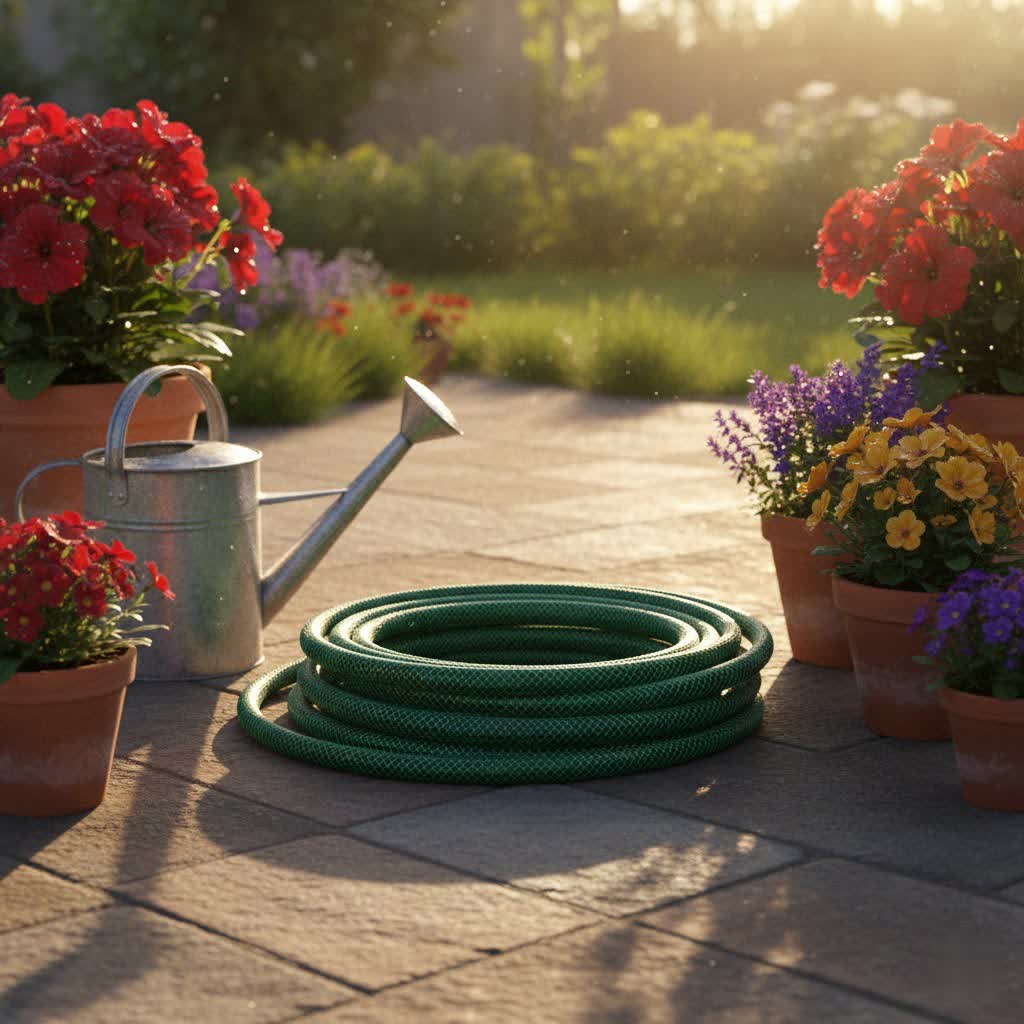
A garden hose is far more than just a simple tool; it’s an indispensable asset for nurturing your outdoor space. From hydrating vibrant flowerbeds to ensuring a lush green lawn, or even tackling cleaning tasks around the house, the right hose makes all the difference. Yet, when faced with countless options, selecting the ideal 50-foot garden hose can feel overwhelming. This comprehensive guide will equip you with the knowledge to make an informed decision, ensuring your chosen hose perfectly matches your gardening needs and stands the test of time.
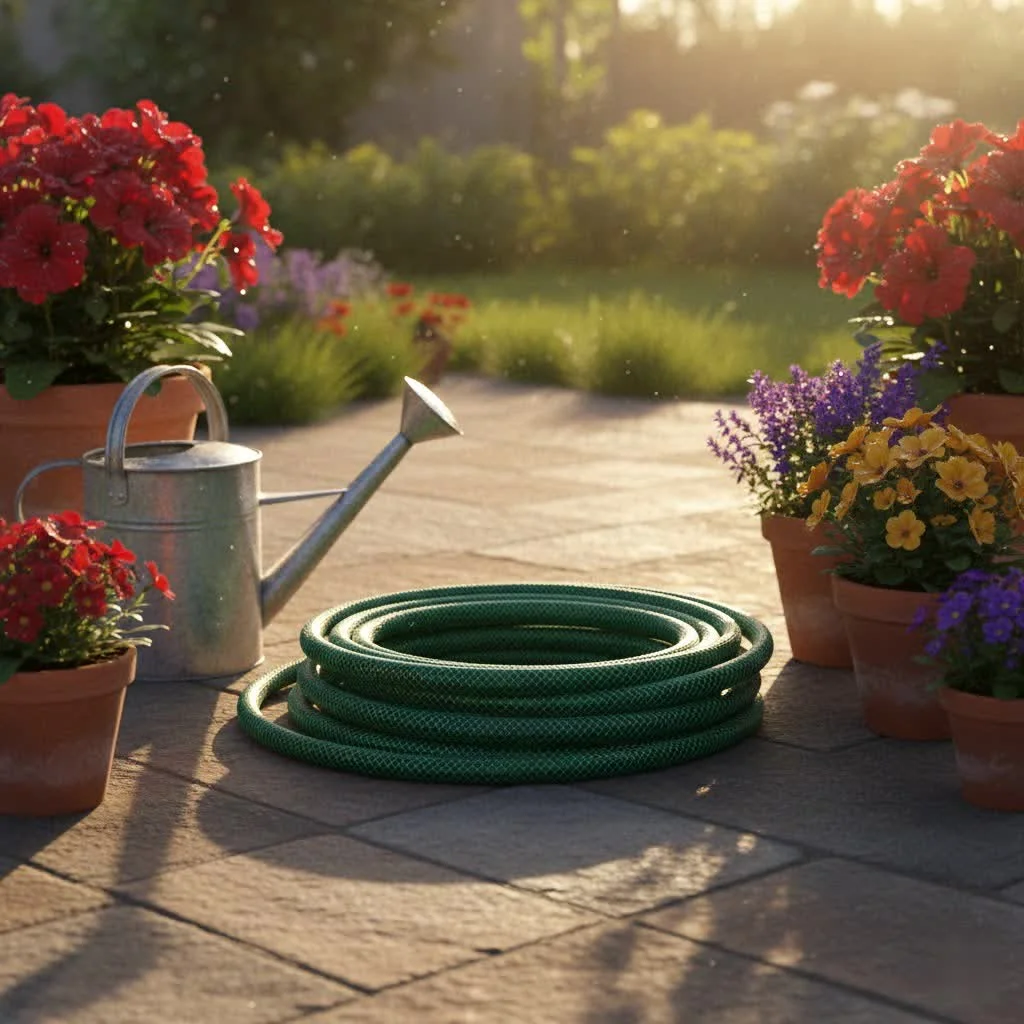
Popular Types of 50-Foot Garden Hoses
Understanding the different types of garden hoses available, particularly in the versatile 50-foot length, is the first step towards finding your perfect match. Each material and design offers unique benefits and considerations.
Rubber Hoses
Rubber hoses are renowned for their exceptional durability and flexibility, even in colder temperatures. They are built to last, resisting cracks and punctures better than many other materials. However, their robust construction makes them heavier and often more expensive. If you prioritize longevity and don’t mind a bit of heft, a 50-foot rubber hose is a solid investment. Many rubber hoses, like the Briggs and Stratton Heavy-Duty Garden Hose, offer impressive durability, withstanding harsh treatment like being dragged across rough surfaces without damage.
PVC (Vinyl) Hoses
Vinyl hoses are typically the most budget-friendly and lightweight option. They are often reinforced with a mesh layer to improve strength and prevent kinking. While they are easy to maneuver due to their light weight, single-layer vinyl hoses are more prone to kinking, splitting, and degradation from UV exposure compared to rubber or hybrid alternatives. They are a good choice for light-duty, occasional watering tasks in smaller spaces, but their lifespan is generally shorter.
Expandable Hoses
Expandable hoses are a modern innovation designed for convenience. These hoses are lightweight and compact when empty, expanding significantly (often up to three times their original length) when filled with water. A 50-foot expandable hose, for instance, shrinks down to a much smaller size for easy storage. They are generally kink-resistant and easy to maneuver. However, their durability can be a concern, with some models being prone to rips and leaks, and plastic connectors might not offer the same longevity as metal. The Hydrotech Pro Series Expandable Max-Flow Hose is one example that expands to 50 feet when full and is praised for being lightweight and leakproof.
Metal Hoses (Stainless Steel)
|
Our Picks for the Best Garden Hose in 2026
As an Amazon Associate I earn from qualifying purchases.
|
||
| Num | Product | Action |
|---|---|---|
| 1 | Flexi Hose Expandable Garden Hose with 8 Function Nozzle, 50FT - Lightweight Retractable Garden Hose, Water Hose - No-Kink Flexibility, 3/4 Inch Solid Brass Fittings and Double Latex Core |

|
| 2 | YAMATIC 100FT 5/8" Garden Hose, 300 PSI Kink-Resistant Water Hose with 360° Swivel Connector & 3/4" Brass GHT Fittings, Flexible All-Weather Outdoor Hose for Yard, Lawn, Garden & Driveway |
|
| 3 | Flexzilla Garden Hose 5/8 in. x 25 ft., Lightweight All-Weather Water Hose, Durable and Flexible, Leak-Free Connections |
|
| 4 | Flexzilla Garden Hose 5/8 in. x 100 ft., Lightweight All-Weather Water Hose, Durable and Flexible, Leak-Free Connections |
|
| 5 | Flexzilla Garden Hose 5/8 in. x 50 ft., Lightweight All-Weather Water Hose, Durable and Flexible, Leak-Free Connections |
|
| 6 | Amazon Basics - Garden Hose, 100ft |
|
| 7 | Flexi Hose Expandable Garden Hose with 8 Function Nozzle, 100FT - Lightweight Retractable Garden Hose, Water Hose - No-Kink Flexibility, 3/4 Inch Solid Brass Fittings and Double Latex Core |
|
| 8 | Easy to Use Garden Hose 100 FT, Lightweight and Leak-Proof Heavy-Duty Flexible Water Hose 100FT with Reinforced TPE Core, 3/4" Solid Brass Fittings, Ultra-Flow Manguera Para Jardin, Built to Last |
|
| 9 | Nilight RV Water Hose 100FT Garden Drinking Hoses with Storage Bag Leakproof Anti-Kink 5/8" Inner Diameter Flexible Lightweight Freshwater Hose for RVs Campers Travel Trailer Boat Car Wash Accessories |
|
| 10 | Flexi Hose Expandable Garden Hose with 8 Function Nozzle, 50FT - Lightweight Retractable Garden Hose, Water Hose - No-Kink Flexibility, 3/4 Inch Solid Brass Fittings and Double Latex Core |
|
Metal garden hoses, typically made from stainless steel, are highly durable, kink-proof, and puncture-resistant. They are also lightweight and can remain cooler in direct sunlight. A 50-foot metal hose offers exceptional resilience, making it a reliable choice for demanding conditions. The Forever Steel 304 Stainless Steel Hose is an example, lauded for its inability to puncture or kink while remaining flexible and lightweight.
Hybrid Polymer Hoses
Hybrid polymer hoses combine the best features of rubber and vinyl, offering a good balance of flexibility, durability, and lighter weight. Many hybrid hoses are kink-resistant and designed to be safe for drinking water. The Flexzilla Garden Hose, available in a 50-foot length, is a popular hybrid polymer option praised for its kink resistance, malleability, and drinking water safety.
Soaker Hoses
Soaker hoses are specifically designed for efficient, low-pressure irrigation. Made from a porous material, they slowly drip water directly into the soil, delivering moisture to plant roots while minimizing water waste from evaporation. A 50-foot soaker hose is ideal for garden beds, hedges, or delicate plantings, though they often require being pinned down or even buried. The H2O Works Garden Flat Soaker Hose, available in a 50-foot length, is noted for its ability to release two gallons of water every two minutes.
Coil Hoses
Coil hoses are permanently coiled, lightweight, and retract to their original shape for easy storage. They are best suited for light hand-watering tasks in small areas like patios, balconies, or small flower beds, offering low water flow. A 50-foot coil hose, like the Water Right Coil Garden Hose, is praised for being easy to carry and use, and its polyurethane material contributes to durability.
Comparative Table of 50-Foot Garden Hoses
To help visualize the differences, here’s a comparison of common 50-foot garden hose types:
| Hose Type | Material | Durability | Price Range | Weight (empty) | Kink Resistance | Best Use |
|---|---|---|---|---|---|---|
| Rubber | Rubber | High | High | Heavy | Good | Heavy-duty, all-weather, long-term use |
| PVC (Vinyl) | Vinyl (often reinforced) | Low to Medium | Low | Light | Poor to Medium | Light-duty, occasional use, budget-friendly |
| Expandable | Latex/Nylon fabric | Medium | Medium to High | Very Light | Excellent | Light-duty, compact storage, ease of movement |
| Metal | Stainless Steel | Very High | Medium to High | Light | Excellent | Heavy-duty, tangle-free, puncture-resistant |
| Hybrid Polymer | Polymer blend | High | Medium | Medium | Excellent | All-purpose, kink-free, often drinking safe |
| Soaker | Porous rubber/PVC | Medium | Low to Medium | Light | N/A (designed to lie flat) | Efficient root watering, irrigation |
| Coil | Polyurethane | Medium | Medium | Light | Good | Small areas, patios, hand watering |
Guide to Choosing Your Ideal 50-Foot Garden Hose
Selecting the right 50-foot garden hose involves considering several key factors tailored to your specific needs.
Assess Your Usage Needs
Before you buy, think about how you’ll primarily use your 50-foot hose. Will it be for daily watering of extensive gardens, occasional car washing, or connecting to a pressure washer? A general-purpose 5/8-inch diameter hose is suitable for most home tasks, providing adequate water flow and pressure. If you have a large property and need to deliver a high volume of water or require significant pressure for heavy-duty cleaning, a 3/4-inch diameter hose might be more appropriate, though it will be heavier when full. Conversely, a 1/2-inch or 3/8-inch diameter hose, often found in coil or soaker varieties, is ideal for light tasks like watering hanging baskets or small planters where strong pressure isn’t necessary.
Select the Right Material
The hose material directly impacts its durability, weight, and flexibility.
- Rubber hoses offer superior durability and are excellent for all-weather conditions but are heavier and pricier.
- Hybrid polymer hoses strike a good balance, providing flexibility and kink resistance without the heavy weight of traditional rubber. Many are also safe for drinking water.
- Stainless steel hoses are virtually kink-proof and puncture-resistant, making them incredibly robust and easy to maneuver.
- Expandable hoses are the lightest and most compact for storage, but their long-term durability can vary.
- Vinyl hoses, while inexpensive and light, are less durable and more prone to kinking and weather damage.
Consider Diameter and Water Pressure
For a 50-foot length, a 5/8-inch diameter is standard for most residential needs, balancing good water flow with manageable weight. Larger diameters (3/4-inch) increase water volume but also weight and decrease flexibility, while smaller diameters (1/2-inch or 3/8-inch for coil hoses) are lighter but offer less water pressure. Remember that water pressure naturally decreases with hose length, so avoid excessively long hoses if high pressure is critical. The burst pressure rating, listed in PSI, indicates how much pressure a hose can withstand before failing. A rating of 350 PSI or higher is generally recommended for good quality hoses.
Evaluate Quality Fittings
The connectors at the ends of your hose are crucial for preventing leaks and ensuring a secure attachment. Look for hoses with solid brass or nickel-plated brass fittings, as these are far more durable and leak-resistant than plastic alternatives. Ergonomic connectors and easy-grip coatings can also make attaching and detaching the hose much simpler.
Prioritize Kink Resistance
Few things are as frustrating as a constantly kinking hose. Many modern 50-foot hoses are designed with anti-kink technology or materials that naturally resist tangling. Testing the hose by bending it into a U-shape before purchase can give you an idea of its kink resistance. Materials like hybrid polymers and stainless steel are well-known for their kink-free properties.
Check for Drinking Water Safety
If you plan to use your garden hose for filling pet bowls, children’s pools, or even taking an occasional drink yourself, ensure it is explicitly labeled “drinking water safe.” These hoses are made from materials that do not leach harmful chemicals into the water.
Top Brands for 50-Foot Garden Hoses
Several brands consistently receive high marks for their quality and performance in the 50-foot garden hose category.
- Flexzilla: Highly regarded for its flexible hybrid polymer construction, excellent kink resistance, and often being safe for drinking water. The 50-foot Flexzilla hose is a top contender for overall performance.
- Zero-G: Known for its lightweight, semi-collapsible design that retains flexibility and resists kinks, making it easy to use and store. [cite: 3 (search result 2)]
- Stanley Fatmax: Offers professional-grade, heavy-duty options that are extremely durable and well-suited for rugged use. [cite: 3 (search result 1)]
- Briggs and Stratton: Their heavy-duty rubber hoses are praised for exceptional sturdiness and thick material that withstands abuse without damage. [cite: 3 (search result 1)]
- Eley: While often pricier, Eley polyurethane hoses are considered the “gold standard” for durability, being puncture, kink, crush, and abrasion resistant.
- Bionic Steel: Specializes in metal garden hoses that are durable, lightweight, and virtually impossible to kink or puncture. [cite: 3 (search result 1)]
- Dramm: The Colorstorm Rubber Garden Hose from Dramm is noted for its toughness, flexibility in cold weather, and ability to handle hot water, though it is heavier. [cite: 4 (search result 1)]
Tips for Using and Maintaining Your 50-Foot Garden Hose
Proper usage and maintenance can significantly extend the life of your 50-foot garden hose, ensuring it remains a reliable tool season after season.
- Avoid Direct Sunlight: Prolonged exposure to UV rays and heat can weaken hose materials, leading to degradation and a shorter lifespan. It can also cause water inside the hose to become extremely hot.
- Coil Neatly After Use: Always coil your hose properly after each use. Avoid kinking or sharp bends, which can stress the material and lead to leaks over time. Many hose reels or hangers are available to aid in tidy storage.
- Drain Completely Before Storage: Especially in colder climates, ensure your hose is fully drained before storing it for the winter. Water left inside can freeze, expand, and crack the hose.
- Use the Correct Water Pressure: While most hoses can handle typical residential water pressure, avoid turning the spigot on full blast with certain hose types, especially expandable or soaker hoses, which may have lower maximum PSI ratings.
- Clean Periodically: Over time, sediment and algae can build up inside your hose, affecting water flow. Occasionally flush the hose with clean water, or use a mild cleaning solution if necessary.
- Inspect Fittings Regularly: Check the couplings for any signs of wear, corrosion, or missing rubber washers, which can cause leaks. Replace them as needed to maintain a tight seal.
Common Issues and Troubleshooting Your 50-Foot Garden Hose
Even the best garden hoses can encounter problems. Here’s how to address common issues:
- Hose Leaks:
- At the Connection Point: Often caused by a loose coupling or a worn/missing rubber washer. Tighten the connection or replace the washer.
- Along the Hose Body: Small punctures or cracks can develop. For minor damage, a hose mender kit can provide a temporary or permanent fix. For extensive damage, replacement is usually the best option.
- Hose Kinking:
- Prevention is Key: Opt for kink-resistant materials like hybrid polymer or stainless steel. When unrolling, lay the hose out straight before turning on the water.
- Resolving Kinks: Gently straighten the kinked section. Avoid forcing it, as this can damage the hose.
- Low Water Pressure/Clogs:
- Check the Spigot: Ensure the water source is fully open.
- Inspect Nozzle/Attachments: A clogged nozzle or sprayer can restrict flow. Clean or replace it.
- Internal Clogs: Sediment or debris can accumulate. Disconnect the hose and flush it thoroughly with high-pressure water to dislodge any blockages.
Conclusion
Choosing the right 50-foot garden hose is a thoughtful process that significantly impacts your gardening efficiency and enjoyment. By considering factors like material, diameter, durability, and features like kink resistance and drinking water safety, you can select a hose that not only meets your immediate needs but also provides reliable service for years to come. Remember to invest in quality fittings and practice good maintenance habits to maximize your hose’s lifespan.
Armed with this knowledge, you’re ready to make a smart choice and enjoy a hassle-free watering experience. What features are most important to you in your next 50-foot garden hose?
Get our weekly buyer guide
Practical specs, not advice. Unsubscribe anytime.

This guide was exactly what I needed! I was overwhelmed by all the choices for a 50-foot hose. The tips on maintenance were particularly useful, and I’m now much more confident in keeping my new hose in top condition. It’s great for washing the car and watering the lawn without any hassle.
I’ve been using a cheap vinyl hose for years and finally decided to upgrade after reading about the benefits of rubber hoses. This guide really helped me understand why they’re worth the investment. My new 50-foot rubber hose is so much more durable and doesn’t kink nearly as much as my old one. It’s made watering my flowerbeds a breeze.
I appreciated the breakdown of different hose types. I ended up going with a hybrid hose, which felt like a good middle ground between durability and weight. The 50-foot length is perfect for my backyard, reaching all my plants without being too cumbersome. It’s definitely an improvement over my previous, much shorter hose.
The guide was helpful for comparing options, but I still found it a bit tricky to decide on the best connector type. My new hose, while good quality, has a brass connector that’s a little stiff to attach to my spigot. It works, but it takes a bit more effort than I’d like. Next time I’ll pay closer attention to that detail.