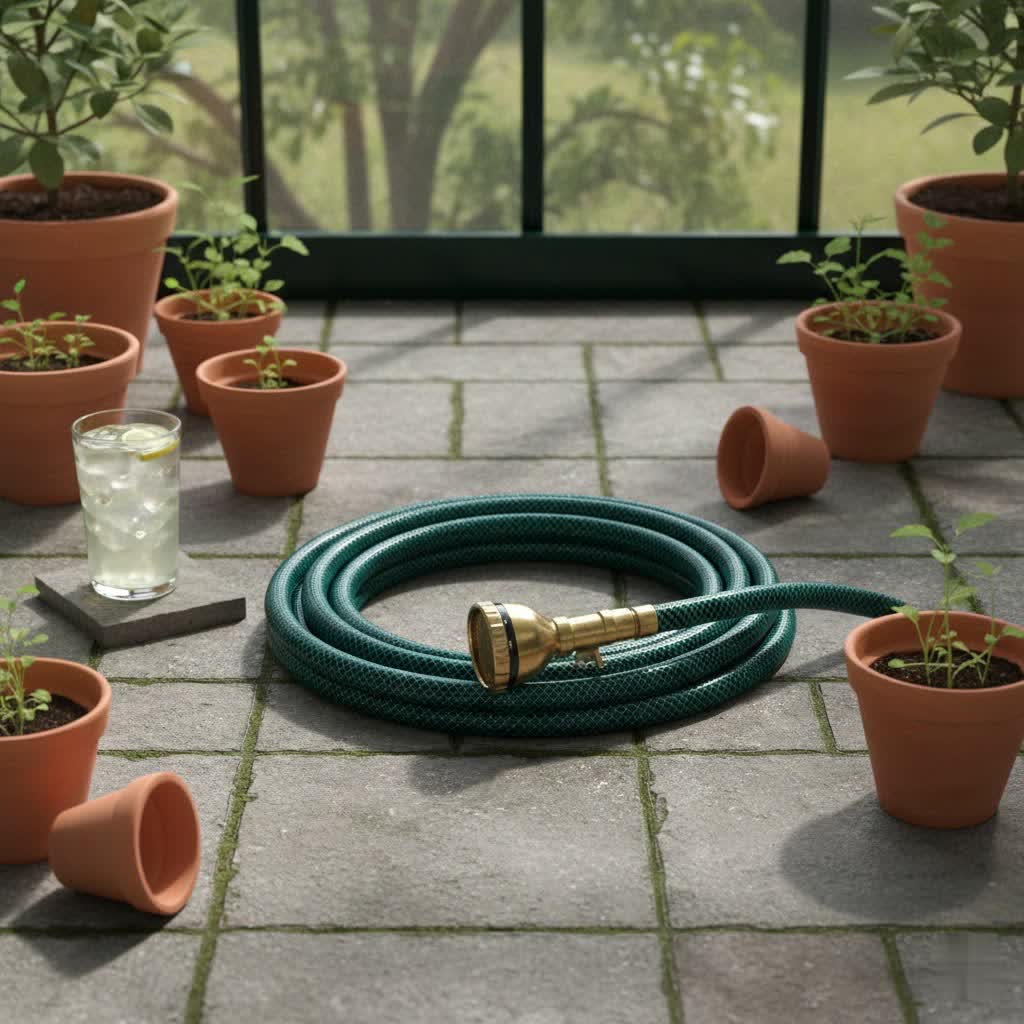
Maintaining a vibrant garden often hinges on having the right tools, and a reliable garden hose is paramount among them. Yet, the traditional bulky, heavy, and perpetually kinking hoses can turn a simple watering task into a frustrating chore. This is where the 100-foot expandable garden hose steps in, promising a revolution in convenience and efficiency for gardeners and homeowners alike.
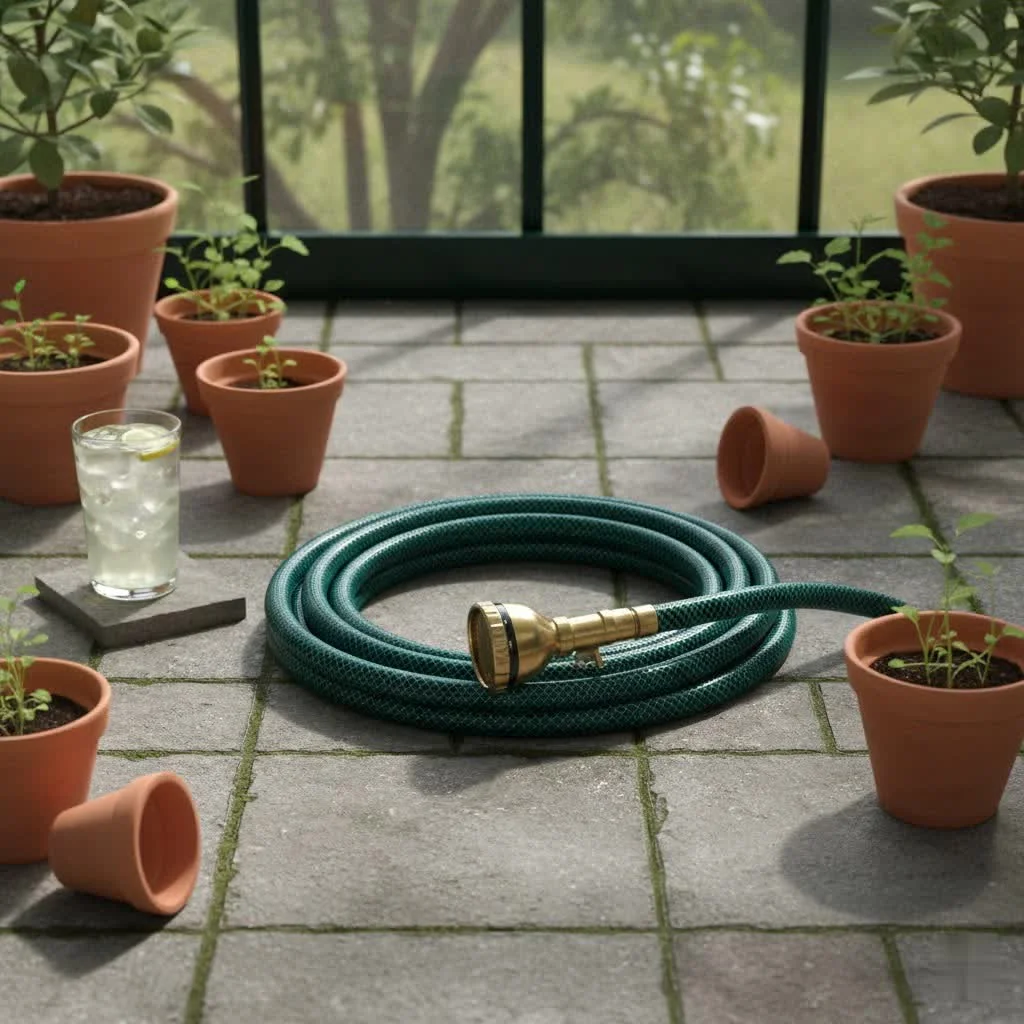
This guide aims to cut through the confusion, offering comprehensive insights into selecting, using, and maintaining the ideal 100-foot expandable garden hose to perfectly match your gardening needs. We’ll explore the various types, highlight key buying considerations, and share expert tips to ensure your watering tasks are always a breeze. For shop curated garden hose on this site.
Understanding Expandable Garden Hoses
Expandable garden hoses are a modern innovation designed to make watering less of a hassle. Unlike their traditional counterparts, these hoses are remarkably lightweight and compact when empty, expanding significantly—often up to three times their original length—once filled with water pressure. After use, as the water drains, they shrink back down to their compact size for effortless storage.
Advantages of a 100-Foot Expandable Garden Hose
- Lightweight and Easy to Maneuver: A 100-foot traditional hose can be incredibly heavy and cumbersome to drag around your yard. Expandable hoses, however, are surprisingly light, making them easy to carry, navigate around obstacles, and use for extended periods without fatigue.
- Space-Saving Storage: Their ability to retract to a fraction of their length is a major draw. A 100-foot expandable hose can condense into a small coil, freeing up valuable storage space in your garage, shed, or even a small bucket.
- Kink-Resistant Design: The flexible nature of expandable hoses generally makes them highly resistant to kinking and tangling, which are common frustrations with rubber or vinyl hoses. This ensures a continuous flow of water and a smoother watering experience.
- Versatility: Many expandable hoses come equipped with multi-pattern spray nozzles, allowing you to easily switch between various watering tasks, from a gentle mist for delicate seedlings to a powerful jet for cleaning patios.
Potential Drawbacks to Consider
While expandable hoses offer numerous benefits, they do come with certain considerations. Some users report that their water pressure might not be as consistent as with traditional hoses, and the inner tubing, usually latex or thermoplastic copolyester (TPC), can be susceptible to punctures or bursts if dragged over sharp objects or exposed to extreme conditions. The lifespan of expandable hoses can sometimes be shorter than heavy-duty rubber hoses, particularly if not cared for properly.
Common Types of Garden Hoses
While our focus is on expandable hoses, it’s helpful to understand them in the context of other types.
- Rubber Hoses: Known for their exceptional durability and resistance to kinks, rubber hoses are heavy and less flexible, making storage and maneuverability challenging, especially in longer lengths like 100 feet.
- PVC/Vinyl Hoses: These are generally lighter and more affordable than rubber hoses. However, they are more prone to kinking, can become brittle over time, and have a shorter lifespan.
- Expandable Hoses: Featuring a flexible inner core (often latex or TPC) and a woven outer fabric, these hoses expand with water pressure and contract when empty. They excel in portability and storage.
- Coil Hoses: Similar to expandable hoses in their space-saving design, coil hoses are shaped like springs. They stretch out during use and recoil automatically. While compact, some can be stiff and difficult to extend to their full length.
- Soaker Hoses: Designed for efficient, slow watering, these hoses release water directly into the soil, minimizing evaporation. They are not typically used for general-purpose watering.
Comparing Hose Types for a 100-Foot Reach
Choosing a 100-foot hose means prioritizing reach, ease of use, and durability. Here’s a brief comparison focusing on qualities relevant for a 100-foot length:
| Feature | Expandable Hose (100ft) | Traditional Rubber Hose (100ft) | Traditional PVC Hose (100ft) |
|---|---|---|---|
| Weight | Extremely lightweight, easy to carry and maneuver | Very heavy, can be difficult to drag | Moderately heavy, lighter than rubber |
| Storage | Shrinks to a small, manageable coil | Bulky, requires significant space or a reel | Bulky, prone to kinking when coiled |
| Kinking | Generally kink-resistant, smooth water flow | Highly kink-resistant, very durable | Prone to kinking and tangling |
| Durability | Varies by quality, can be prone to punctures/bursts | Excellent, highly resistant to wear and tear | Fair, can become brittle and crack |
| Water Pressure | Can be less consistent for some models | Excellent, consistent flow | Good, but can be impacted by kinks |
| Flexibility | Highly flexible when full, easy to navigate | Rigid, requires effort to bend and position | Moderate, becomes less flexible with age |
| Cost | Generally affordable, varies by material and brand | Higher initial cost but long lifespan | Most budget-friendly, but shorter lifespan |
A Comprehensive Guide to Buying a 100-Foot Expandable Garden Hose
When investing in a 100-foot expandable garden hose, several factors influence its performance and longevity. Making an informed decision ensures you get a hose that serves your needs effectively for seasons to come.
1. Evaluate Your Specific Watering Needs
|
Our Picks for the Best Garden Hose in 2026
As an Amazon Associate I earn from qualifying purchases.
|
||
| Num | Product | Action |
|---|---|---|
| 1 | Flexi Hose Expandable Garden Hose with 8 Function Nozzle, 50FT - Lightweight Retractable Garden Hose, Water Hose - No-Kink Flexibility, 3/4 Inch Solid Brass Fittings and Double Latex Core |

|
| 2 | Easy to Use Garden Hose 100 FT, Lightweight and Leak-Proof Heavy-Duty Flexible Water Hose 100FT with Reinforced TPE Core, 3/4" Solid Brass Fittings, Ultra-Flow Manguera Para Jardin, Built to Last |
|
| 3 | Flexzilla Garden Hose 5/8 in. x 50 ft., Lightweight All-Weather Water Hose, Durable and Flexible, Leak-Free Connections |
|
| 4 | YAMATIC 100FT 5/8" Garden Hose, 300 PSI Kink-Resistant Water Hose with 360° Swivel Connector & 3/4" Brass GHT Fittings, Flexible All-Weather Outdoor Hose for Yard, Lawn, Garden & Driveway |
|
| 5 | Nilight RV Water Hose 100FT Garden Drinking Hoses with Storage Bag Leakproof Anti-Kink 5/8" Inner Diameter Flexible Lightweight Freshwater Hose for RVs Campers Travel Trailer Boat Car Wash Accessories |
|
| 6 | Flexi Hose Expandable Garden Hose with 8 Function Nozzle, 100FT - Lightweight Retractable Garden Hose, Water Hose - No-Kink Flexibility, 3/4 Inch Solid Brass Fittings and Double Latex Core |
|
| 7 | Flexzilla Garden Hose 5/8 in. x 25 ft., Lightweight All-Weather Water Hose, Durable and Flexible, Leak-Free Connections |
|
| 8 | Flexzilla Garden Hose 5/8 in. x 100 ft., Lightweight All-Weather Water Hose, Durable and Flexible, Leak-Free Connections |
|
| 9 | Amazon Basics - Garden Hose, 100ft |
|
| 10 | Flexi Hose Expandable Garden Hose with 8 Function Nozzle, 50FT - Lightweight Retractable Garden Hose, Water Hose - No-Kink Flexibility, 3/4 Inch Solid Brass Fittings and Double Latex Core |
|
Consider the size and layout of your garden or yard. A 100-foot length is excellent for larger spaces, reaching distant plants, or washing a car in the driveway. Think about the types of plants you’ll be watering – delicate flowers might need a gentle mist, while established shrubs can handle a stronger spray. Also, assess your water pressure; expandable hoses rely on sufficient pressure to fully expand. If your home has low water pressure, some expandable hoses might not perform optimally.
2. Prioritize Material Quality
The durability of an expandable hose largely depends on its construction.
- Inner Tubing: Look for hoses with a double-layer latex core or high-grade thermoplastic copolyester (TPC). Double-layer latex offers superior elasticity and burst resistance compared to single-layer options.
- Outer Fabric Casing: A robust outer shell made from high-density, durable fabric (like 3750D or 5000D) protects the inner core from punctures, abrasions, and UV damage. Some advanced materials like DAC-5 fiber also offer enhanced protection.
3. Check the Fittings
The weakest link in many hoses can be the fittings.
- Brass Fittings: These are highly recommended. Solid brass connectors are rust-proof, corrosion-resistant, and significantly more durable than plastic fittings. They provide a secure, leak-free connection to your spigot and attachments.
- Plastic Fittings: While lighter and cheaper, plastic fittings are more prone to cracking, stripping, and leaking over time. If opting for plastic, ensure it’s high-quality, reinforced ABS plastic.
4. Consider Hose Diameter
Most expandable hoses come in standard diameters like 5/8-inch or 3/4-inch. A larger diameter (e.g., 3/4-inch) generally allows for a greater volume of water flow, which can be beneficial for larger watering tasks or when you need higher pressure at the nozzle. However, a larger diameter also means a slightly heavier hose when full.
5. Look for Included Accessories and Features
Many expandable hoses come with useful additions:
- Spray Nozzle: A multi-pattern nozzle with various spray settings (e.g., mist, jet, shower, flat) adds versatility for different tasks. Ensure it’s durable and easy to operate.
- Shut-Off Valve: An integrated shut-off valve at the hose end allows you to control water flow without returning to the spigot, saving water and making tasks more convenient.
- Storage Hook/Bag: These accessories can help with organized storage when the hose is contracted.
6. Research Reputable Brands and Warranties
Choosing a trusted brand can provide peace of mind regarding quality and customer support. Brands frequently praised for their expandable hoses include Flexi Hose, Pocket Hose, Xhose Pro, and TheFitLife. Check for warranties; a good warranty (e.g., 1-year or more) indicates the manufacturer stands behind their product.
Top Expandable Garden Hose Brands (Often Available in 100-Foot Lengths)
While specific models can vary, several brands consistently receive positive feedback for their expandable garden hoses. When looking for a 100-foot option, these are worth considering:
- Flexi Hose: Known for its strong, durable construction and often including high-quality brass fittings and a multi-function spray nozzle. Many users praise its lightweight design and kink resistance.
- Pocket Hose Silver Bullet: Frequently cited for its excellent expansion and contraction capabilities, flexibility, and often being budget-friendly. It’s available in 100-foot lengths.
- Xhose Pro: Marketed as an original expandable hose, it’s recognized for being surprisingly lightweight and easy to maneuver, even at 100 feet. It often features brass fittings for enhanced durability.
- TheFitLife Flexible and Expandable Garden Hose: This brand is noted for its sturdy build quality, often featuring solid brass connectors and multiple spray pattern nozzle options.
- AmazingForLess Expandable: This brand offers a good variety of length options, including 100 feet and even longer, and is often praised for resisting kinks and good reshrinking capabilities.
Expert Tips for Using and Maintaining Your Expandable Garden Hose
Proper care is crucial for extending the life of your 100-foot expandable garden hose and ensuring optimal performance.
- Drain Completely After Each Use: This is perhaps the most important tip. Once you’re done watering, turn off the water at the spigot, then open the nozzle to release all remaining water pressure. The hose will then contract fully. Leaving water inside can lead to premature wear, bursting in cold weather, or mildew buildup.
- Store Out of Direct Sunlight: Prolonged exposure to UV rays can degrade the outer fabric and inner core material, leading to brittleness and leaks. Store your hose in a shaded area, a hose bag, or inside a shed or garage.
- Protect from Extreme Temperatures: Freezing temperatures can cause residual water inside the hose to expand and burst the inner latex. Always store your expandable hose indoors during winter months. High heat can also cause degradation.
- Avoid Dragging Over Rough Surfaces: While the outer casing offers protection, repeatedly dragging the hose over sharp rocks, concrete edges, or thorny bushes can cause tears or punctures. Lift the hose over obstacles when possible.
- Use Appropriate Water Pressure: Expandable hoses are designed to work within a specific pressure range. Excessively high pressure can stress the inner core and lead to bursting, while very low pressure may prevent the hose from expanding fully.
- Check Connections Regularly: Periodically inspect the fittings for any signs of wear, cracks, or leaks. Replace washers if necessary to maintain a tight seal.
Common Problems with Expandable Hoses and How to Address Them
Even with proper care, you might encounter issues with your expandable hose. Here’s how to troubleshoot common problems:
- Leaks:
- At the connection: Often caused by loose fittings or worn-out rubber washers. Tighten connections or replace the washer.
- Along the hose body: Could be a puncture or a burst in the inner lining. Small punctures might be patched with specialized repair kits, but significant damage often requires hose replacement.
- Hose Not Expanding Fully:
- Low water pressure: Ensure your spigot is fully open and there are no other major water-consuming appliances running.
- Obstruction in the hose: Check for kinks or blockages. Ensure the nozzle isn’t closed or partially blocked, preventing water flow.
- Hose Not Contracting:
- Water still inside: Make sure all water pressure has been released from the hose by turning off the spigot and opening the nozzle.
- Damage to the inner core: If the inner latex is stretched or damaged, it may lose its elasticity. This usually means it’s time for a replacement.
- Hose Kinks (rare for quality expandable hoses):
- If kinking occurs, it might indicate a lower-quality hose or a snag on an obstacle. Gently untwist the hose and try to avoid sharp turns. Some coil-style hoses might tangle on themselves more easily.
Conclusion
Choosing the right 100-foot expandable garden hose can truly transform your gardening experience, turning a tedious task into a simple pleasure. Their lightweight nature, compact storage, and kink-resistant design make them an attractive alternative to traditional hoses, especially for those with larger yards or limited storage space. By prioritizing quality materials, durable brass fittings, and adhering to simple maintenance practices, you can ensure your expandable hose remains a reliable tool for years to come.
Remember to consider your unique watering needs and the specific features that matter most to you when making your selection. With the insights provided, you’re now equipped to make an informed decision and enjoy the effortless watering that a high-quality 100-foot expandable garden hose can offer.
What will you water first with your new, easy-to-manage hose?
Frequently Asked Questions
How long do 100-foot expandable garden hoses typically last?
The lifespan of an expandable garden hose varies widely based on material quality, frequency of use, and proper care. High-quality hoses with double-layer latex and robust outer casings, when drained and stored correctly, can last several seasons. However, they are generally not as long-lived as heavy-duty rubber hoses.
Can I leave my expandable garden hose outside year-round?
It is not recommended to leave expandable garden hoses outside year-round, especially in areas with freezing temperatures or intense sunlight. Extreme cold can make the inner core brittle and cause it to burst, while prolonged UV exposure can degrade the outer fabric and lead to leaks. Always drain and store it indoors during winter.
What water pressure is required for a 100-foot expandable hose to work?
Expandable hoses generally require moderate to good water pressure to fully expand. While specific PSI requirements can vary by manufacturer, most household water pressures are sufficient. If your home has very low water pressure, the hose may not expand to its full length or provide adequate flow.
Are expandable hoses suitable for hot water?
Most expandable garden hoses are designed for cold or lukewarm water use. Using hot water can potentially damage the inner latex or thermoplastic materials, compromising the hose’s integrity and lifespan. Always check the manufacturer’s specifications regarding water temperature limits.
How do I fix a leak in my expandable garden hose?
Minor leaks at the connections can often be fixed by tightening the fittings or replacing old rubber washers. For leaks or punctures along the hose body, some small repair kits are available, but often significant damage to the inner core necessitates replacing the entire hose, as repairing the stretchy material can be challenging.
Get our weekly buyer guide
Practical specs, not advice. Unsubscribe anytime.
