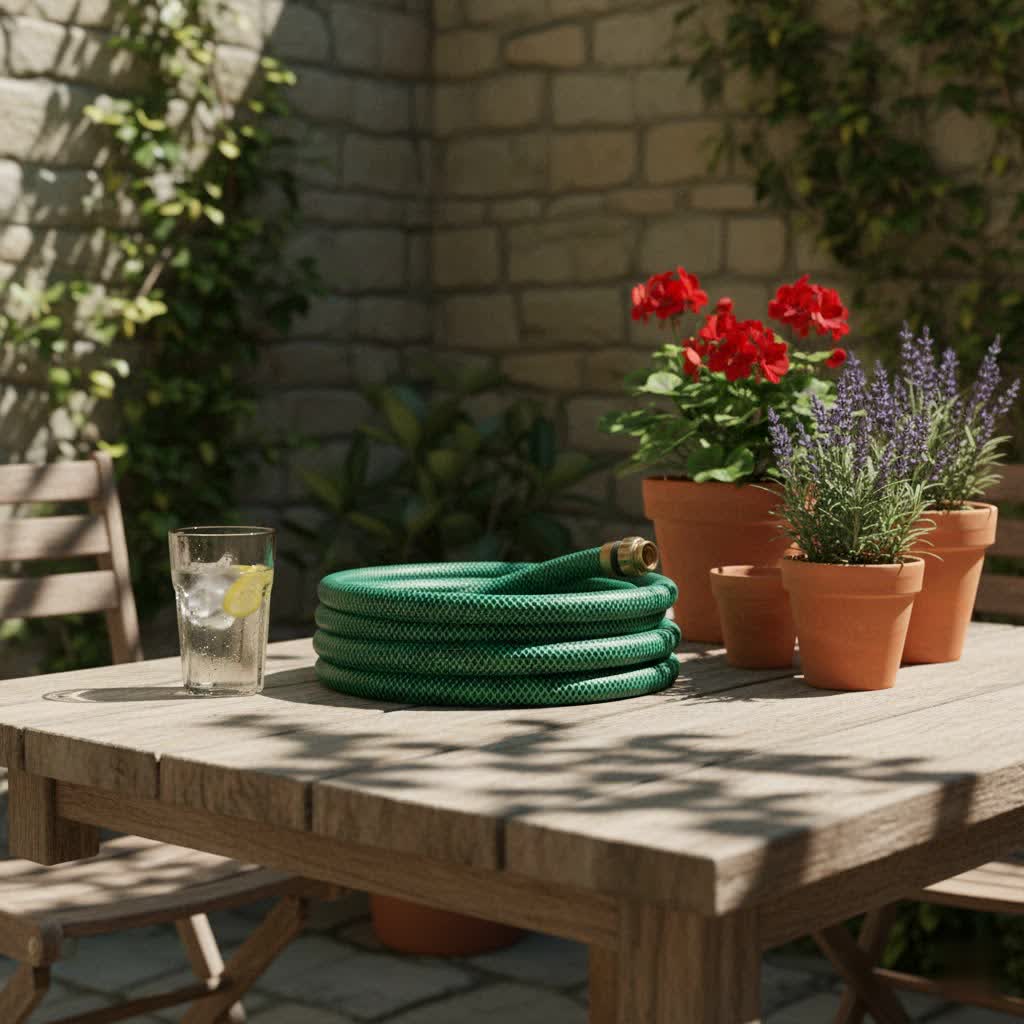
Are you tired of wrestling with overly long, cumbersome garden hoses for small tasks? Imagine a watering solution that’s just the right size, easy to handle, and perfect for your patio, balcony, or quick car washes. A 10-foot garden hose offers unparalleled convenience and efficiency for a multitude of focused watering needs. This comprehensive guide will walk you through everything you need to know about selecting, using, and maintaining the ideal short garden hose to simplify your outdoor chores.
Understanding the Different Types of Garden Hoses
The world of garden hoses extends beyond just length, encompassing a variety of materials and designs, each with unique characteristics. For a 10-foot hose, certain types excel in maneuverability and storage. For expert garden hose reviews on this site.
- Rubber Hoses: Known for their exceptional durability and flexibility, rubber hoses are heavy-duty options that can withstand extreme temperatures and resist kinking. While traditionally heavier, some modern rubber hoses are engineered to be surprisingly lightweight, making them suitable even in shorter lengths. They are often a long-term investment due to their robust construction.
- PVC (Vinyl) Hoses: These are generally the most affordable and lightweight hoses available. However, PVC can be prone to kinking, cracking, and becoming stiff in cold weather or brittle under prolonged sun exposure. For a 10-foot length, where less material means less weight and easier handling, PVC can be a budget-friendly option for light-duty tasks, but their longevity might be a concern.
- Hybrid Polymer Hoses: Combining the best aspects of rubber and PVC, hybrid polymer hoses offer a good balance of flexibility, durability, and lighter weight. They are often designed to resist kinking and remain pliable in various temperatures, making them a popular choice for all-around use, including shorter lengths. Brands like Flexzilla are known for their hybrid polymer offerings, often available in 10-foot lead-in hose options.
- Expandable Hoses: These innovative hoses dramatically expand in length when filled with water and shrink back to a compact size for easy storage when drained. They are incredibly lightweight and flexible, making them ideal for small spaces and users who prioritize ease of storage and minimal kinking. However, their durability can sometimes be less than traditional hoses, and they may be susceptible to punctures.
- Flat Hoses: Designed to lie flat when empty, these hoses are space-saving and easy to coil. While not as common in extremely short lengths like 10 feet for primary use, their compact nature is a significant advantage for storage in tight spaces. They can sometimes suffer from lower water pressure compared to round hoses.
- Stainless Steel Hoses: These hoses feature a flexible stainless steel outer layer, offering superior kink-resistance, puncture-proof durability, and often a lightweight design. They are highly resistant to corrosion and UV damage and remain cool to the touch even in direct sunlight. Brands like Morvat and Bionic Steel offer stainless steel hoses, some of which are available in 10-foot lengths.
- Coil Hoses: These hoses naturally coil back into a compact spiral shape when not in use. They are excellent for small areas where self-storage and tangle-free operation are priorities. While their coiled nature can restrict reach slightly compared to a straight hose of the same nominal length, a 10-foot coil hose can be perfect for very specific, close-range tasks.
Side-by-Side Comparison of Common 10-Foot Garden Hose Types
Choosing the perfect 10-foot garden hose depends heavily on your specific needs. This comparison table highlights key characteristics to help you make an informed decision:
| Hose Type | Material | Durability | Price | Pros | Cons |
|---|---|---|---|---|---|
| Rubber | Rubber, EPDM Rubber | High | High | Excellent durability, flexibility, kink-resistant, handles temp extremes | Heavier, higher initial cost |
| PVC (Vinyl) | PVC (Vinyl) | Low to Medium | Low | Very lightweight, affordable, easy to store when not pressurized | Prone to kinking, cracks, stiff in cold, susceptible to UV damage |
| Hybrid Polymer | Hybrid Polymer (e.g., Flexzilla) | Medium to High | Medium | Good balance of flexibility, durability, kink-resistant, lighter than rubber | Can be heavier than expandable/vinyl when full |
| Expandable | Fabric shell with inner latex/rubber core | Medium | Medium | Extremely lightweight, compact storage, tangle-free, expands with water | Durability varies, susceptible to punctures, not for high pressure |
| Stainless Steel | Stainless Steel outer shell | High | Medium to High | Kink-proof, puncture-resistant, lightweight for metal, UV & corrosion-resistant | Can get hot in direct sun, may not be as flexible as rubber |
| Coil | Polyurethane, other polymers | Medium | Medium | Self-coiling for easy storage, lightweight, tangle-resistant | Limited reach due to coiled design, can snag on obstacles |
Your Guide to Selecting the Perfect 10-Foot Garden Hose
When every foot of hose matters, choosing a 10-foot option requires careful consideration. Here’s how to ensure you pick the best fit for your gardening lifestyle:
Identify Your Watering Needs
|
Our Picks for the Best Garden Hose in 2026
As an Amazon Associate I earn from qualifying purchases.
|
||
| Num | Product | Action |
|---|---|---|
| 1 | Nilight RV Water Hose 100FT Garden Drinking Hoses with Storage Bag Leakproof Anti-Kink 5/8" Inner Diameter Flexible Lightweight Freshwater Hose for RVs Campers Travel Trailer Boat Car Wash Accessories |

|
| 2 | Flexzilla Garden Hose 5/8 in. x 25 ft., Lightweight All-Weather Water Hose, Durable and Flexible, Leak-Free Connections |
|
| 3 | Flexi Hose Expandable Garden Hose with 8 Function Nozzle, 50FT - Lightweight Retractable Garden Hose, Water Hose - No-Kink Flexibility, 3/4 Inch Solid Brass Fittings and Double Latex Core |
|
| 4 | Flexi Hose Expandable Garden Hose with 8 Function Nozzle, 50FT - Lightweight Retractable Garden Hose, Water Hose - No-Kink Flexibility, 3/4 Inch Solid Brass Fittings and Double Latex Core |
|
| 5 | Flexzilla Garden Hose 5/8 in. x 100 ft., Lightweight All-Weather Water Hose, Durable and Flexible, Leak-Free Connections |
|
| 6 | Amazon Basics - Garden Hose, 100ft |
|
| 7 | Flexi Hose Expandable Garden Hose with 8 Function Nozzle, 100FT - Lightweight Retractable Garden Hose, Water Hose - No-Kink Flexibility, 3/4 Inch Solid Brass Fittings and Double Latex Core |
|
| 8 | Easy to Use Garden Hose 100 FT, Lightweight and Leak-Proof Heavy-Duty Flexible Water Hose 100FT with Reinforced TPE Core, 3/4" Solid Brass Fittings, Ultra-Flow Manguera Para Jardin, Built to Last |
|
| 9 | Flexzilla Garden Hose 5/8 in. x 50 ft., Lightweight All-Weather Water Hose, Durable and Flexible, Leak-Free Connections |
|
| 10 | YAMATIC 100FT 5/8" Garden Hose, 300 PSI Kink-Resistant Water Hose with 360° Swivel Connector & 3/4" Brass GHT Fittings, Flexible All-Weather Outdoor Hose for Yard, Lawn, Garden & Driveway |
|
Before anything else, consider how you’ll primarily use your short hose.
- Small Patios or Balconies: For watering potted plants, hanging baskets, or small garden beds on a limited surface, a lightweight expandable or coil hose offers excellent maneuverability and storage.
- RV or Boat Use: Compact, kink-free, and drinking-water-safe options (like many hybrid polymer or specialized RV hoses) are crucial for onboard water connections and cleaning.
- Car Washing or Quick Rinse-Offs: A flexible, kink-resistant hybrid polymer or stainless steel hose can make these tasks effortless, especially when your spigot is close by.
- Connecting to Sprinklers/Pressure Washers: For these applications, you need a hose that can handle consistent pressure and offers reliable, leak-free connections. Durability and burst strength are key.
Choose the Right Material
The material dictates a hose’s performance and lifespan.
- Hybrid Polymer: Often recommended for its balance of flexibility, kink resistance, and durability, performing well in various temperatures. Flexzilla is a notable brand in this category.
- Rubber: Offers maximum durability and resistance to wear and tear, but can be heavier. Modern lightweight rubber options are excellent if longevity is your top priority. AG-LITE offers robust rubber hoses.
- Stainless Steel: Provides exceptional kink and puncture resistance, making it great for rough surfaces or where sharp objects might be present. Morvat is a brand offering this.
- Expandable: Best for ultimate lightweight handling and compact storage, ideal for light watering tasks.
Consider Hose Diameter
While less critical for a 10-foot hose than for longer ones, diameter still impacts water flow.
- 1/2-inch: Common for shorter hoses, this diameter provides adequate water flow for most light-duty watering, like potted plants or small gardens. It also tends to be lighter and more flexible.
- 5/8-inch: The most common residential garden hose size, offering a good balance of water flow and pressure. Many 10-foot leader hoses come in this diameter. For small tasks, it might be overkill but ensures strong flow for attachments.
Inspect Product Quality
A hose’s construction details significantly impact its reliability.
- Couplings: Look for durable, crush-resistant couplings, preferably made of brass or nickel-plated brass. These materials resist corrosion and provide secure, leak-free connections. Aluminum couplings are lighter but may not last as long. Many hoses also feature ergonomic grips or collars around the couplings for easier attachment and detachment.
- Kink Resistance: This is a major pain point for any hose. Look for hoses advertised as “kink-free” or “kink-resistant,” often achieved through specific materials (hybrid polymers, rubber, stainless steel) or design features.
- Flexibility: A hose that remains flexible in various temperatures is easier to handle and store.
Reputable Brands
While specific 10-foot models might vary, some brands are consistently praised for quality across their hose lines:
- Flexzilla: Highly rated for flexibility, kink resistance, and lightweight hybrid polymer construction. Their SwivelGrip models are particularly user-friendly.
- Zero-G: Known for ultra-lightweight, flexible, and durable designs that resist kinking.
- Dramm ColorStorm: Praised for durable rubber hoses that are less likely to kink, although they can be heavier.
- Morvat & Bionic Steel: Good choices for stainless steel, kink-free options.
- AG-LITE: Offers sturdy rubber hoses that are durable and kink-resistant.
Top Brands for 10-Foot Garden Hoses
While many popular brands focus on longer hoses, several offer high-quality options suitable for the 10-foot segment, often as “leader hoses” or dedicated short hoses.
- Flexzilla: A standout for its hybrid polymer construction, Flexzilla offers 10-foot leader hoses that are remarkably flexible, kink-free, and often drinking water safe. Their SwivelGrip feature makes connecting and disconnecting effortless, a huge plus for shorter hoses frequently attached and detached.
- Morvat: Known for their stainless steel hoses, Morvat provides durable, kink-free 10-foot options. These are excellent for rugged use and resistance to punctures, making them a good fit for specific tasks where durability is paramount.
- AG-LITE: If you prefer the robustness of rubber, AG-LITE offers 10-foot rubber hoses that are built to last. They are praised for their durability and kink resistance, providing a strong, consistent flow for demanding small jobs.
- Project Source and Ray Padula: These brands offer more budget-friendly 10-foot options in materials like vinyl and hybrid polymer, suitable for light-duty, occasional use where cost is a primary concern.
- CAMCO: Often specializing in RV and marine products, CAMCO offers 10-foot hybrid polymer hoses that are lightweight and designed for portable water needs, frequently being drinking water safe.
Smart Usage and Maintenance Tips for Your 10-Foot Garden Hose
Even a short hose benefits from proper care to maximize its lifespan and performance.
- Drain After Use: Always release any residual water from your hose after each use. This prevents mildew and algae buildup and is crucial in colder climates to avoid freezing and cracking, which can compromise the hose’s integrity.
- Store Properly: Coil your 10-foot hose neatly and store it off the ground. While a hose reel might be overkill for such a short length, a simple wall hook or a small basket keeps it tidy and prevents tripping hazards. Keeping it in a shaded, dry area protects it from harsh UV rays and extreme weather, which can degrade materials over time.
- Regular Inspection: Periodically check your hose for any signs of wear, such as cracks, bulges, or leaks around the couplings. Addressing small issues early can prevent them from becoming major problems.
- Mind the Pressure: While 10-foot hoses are typically robust, avoid exposing them to excessively high water pressure if not designed for it, as this can weaken the hose and its connections.
- Keep it Clean: Occasionally flush the interior of your hose to remove sediment. Wipe down the exterior to keep it free of dirt and debris.
Common Issues and Quick Fixes
Even the best hoses can encounter problems. Here’s how to troubleshoot some common issues with your 10-foot garden hose:
- Leaks at the Connection: This is frequently caused by a worn-out rubber washer inside the coupling. Simply replace the washer to restore a tight, leak-free seal. Ensure the connection is securely tightened, but avoid over-tightening, which can strip threads.
- Kinking: While many short hoses are designed to be kink-resistant, they can still kink under certain conditions. For persistent kinking, try to uncoil the hose completely and lay it straight in the sun for a while to help it regain its memory. For future use, pull the hose out fully before turning on the water to minimize twisting.
- Low Water Pressure: First, check your spigot to ensure it’s fully open. If the hose has a filter, check if it’s clogged. Inspect the hose for any kinks or obstructions that might be impeding water flow. A smaller diameter hose will naturally have slightly lower flow than a larger one.
- Hose Stiffness: Some materials, particularly PVC, can become stiff in cold weather. If possible, opt for a hybrid polymer or rubber hose for better all-weather flexibility. Storing the hose indoors during winter can also help maintain its pliability.
Conclusion
A 10-foot garden hose is more than just a convenience; it’s a smart tool for efficient and enjoyable outdoor care. Whether you’re tending to a small patio garden, washing your car, or needing a compact solution for an RV, choosing the right 10-foot garden hose can make all the difference. Consider your primary uses, preferred material, and essential features like kink resistance and coupling quality to find a hose that perfectly matches your needs. With proper care, your chosen 10-foot garden hose will provide years of reliable service, proving that sometimes, less truly is more.
What small watering task could a perfectly sized 10-foot garden hose make easier for you this season?
Frequently Asked Questions
What are the main advantages of a 10-foot garden hose over a longer one?
A 10-foot garden hose offers superior maneuverability, is significantly lighter, takes up minimal storage space, and eliminates the hassle of excess hose tangling for small, localized watering tasks. It’s perfect for patios, balconies, car washing, or filling buckets where a full-length hose is unnecessary and cumbersome.
Can a 10-foot garden hose provide enough water pressure?
Yes, a 10-foot garden hose can provide excellent water pressure, often comparable to longer hoses, especially if it has a standard 5/8-inch diameter. The shorter length means less friction loss, potentially even resulting in slightly better pressure at the nozzle compared to a very long hose of the same diameter.
Are 10-foot garden hoses suitable for drinking water?
Many 10-foot garden hoses, especially those made from hybrid polymer or specialized RV/marine hoses, are designed to be drinking water safe. Always check the product specifications for labels like “lead-free” and “drinking water safe” if you intend to use it for potable water.
Get our weekly buyer guide
Practical specs, not advice. Unsubscribe anytime.

I’ve been looking for a good short hose for ages, and this guide really helped me narrow it down. I ended up getting a lightweight vinyl one for my balcony plants, and it’s perfect. No more dragging a huge hose around for a few pots! It’s so much easier to coil up and store too.
I appreciated the breakdown of different hose materials. I decided to try a rubber hose for its durability, thinking it would be great for my small patio. While it’s definitely tough, it’s a bit heavier than I expected for a 10-foot hose, which makes it a little less convenient to move around than I hoped. Still, it feels like it will last forever.
Finally, someone talks about the utility of a short hose! I’ve always struggled with my long, cumbersome hose for small tasks around the front porch. The advice on choosing a hose for focused watering needs was spot on. I picked up a polyurethane one and it’s fantastic for watering my hanging baskets without any tangles.
This was super helpful for finding a hose for quick car washes. I used to use my long hose and it was such a pain. I went with a hybrid hose as suggested for a good balance of durability and flexibility. It’s definitely made washing the car a quicker job, though I wish the fittings felt a little more robust.