A reliable garden hose is an indispensable tool for any homeowner or gardening enthusiast, essential for keeping lawns lush, plants thriving, and outdoor spaces spotless. Yet, with a bewildering array of options on the market, selecting the perfect garden hose can feel like navigating a maze. From varying materials and lengths to features like kink resistance and drinking water safety, the choice you make significantly impacts your watering efficiency and the longevity of your investment. This comprehensive guide will equip you with the knowledge needed to make an informed decision, ensuring you pick a hose that perfectly matches your specific needs and stands the test of time.
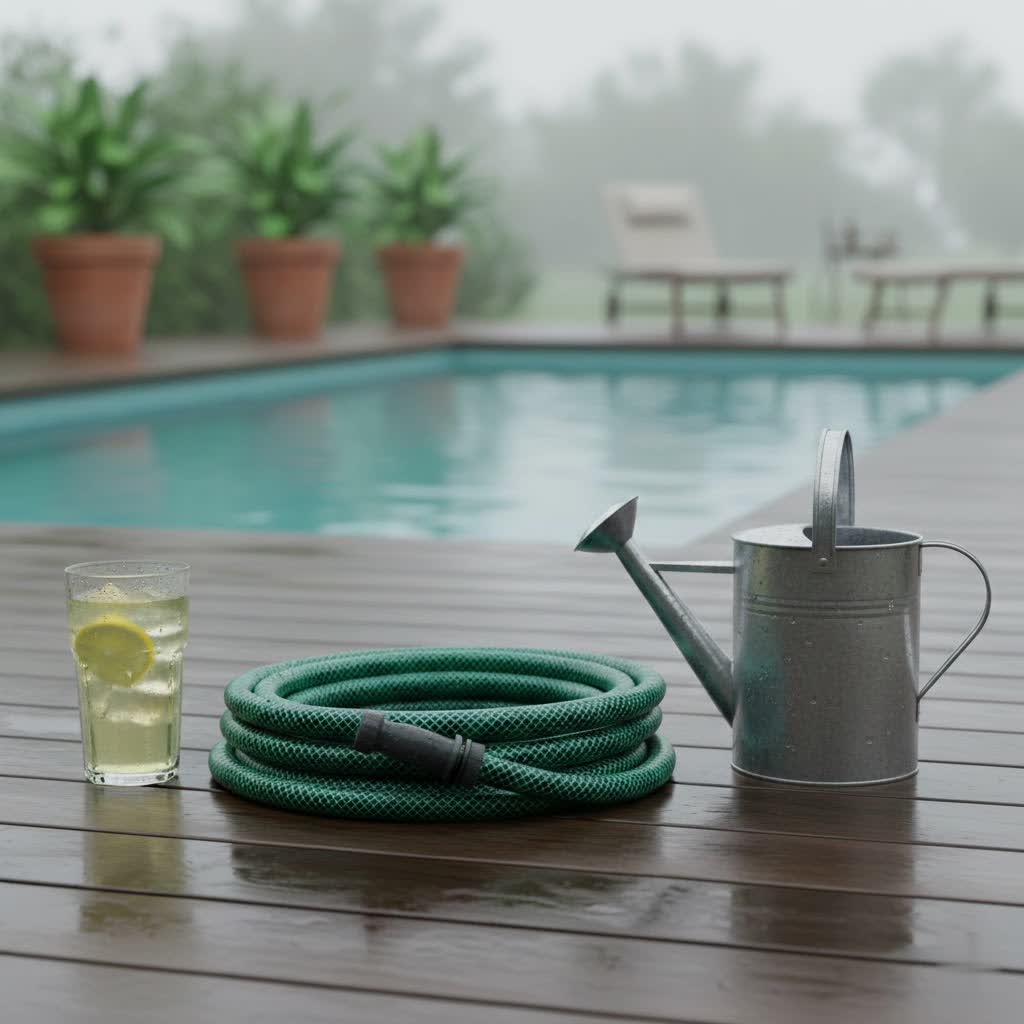
Popular Types of Garden Hoses
Understanding the distinct characteristics of different garden hose types is the first step toward finding your ideal watering companion. Each type offers a unique balance of advantages and drawbacks, influencing its suitability for various tasks and environments.
Rubber Hoses
|
Our Picks for the Best Garden Hose in 2026
We may earn a commission when you use one of our links to make a purchase.
|
||
| Num | Product | Action |
|---|---|---|
| 1 | Easy to Use Garden Hose 100 FT, Lightweight and Leak-Proof Heavy-Duty Flexible Water Hose 100FT with Reinforced TPE Core, 3/4" Solid Brass Fittings, Ultra-Flow Manguera Para Jardin, Built to Last |

|
| 2 | Flexzilla Garden Hose 5/8 in. x 100 ft., Lightweight All-Weather Water Hose, Durable and Flexible, Leak-Free Connections |
|
| 3 | YAMATIC 100FT 5/8" Garden Hose, 300 PSI Kink-Resistant Water Hose with 360° Swivel Connector & 3/4" Brass GHT Fittings, Flexible All-Weather Outdoor Hose for Yard, Lawn, Garden & Driveway |
|
| 4 | Nilight RV Water Hose 100FT Garden Drinking Hoses with Storage Bag Leakproof Anti-Kink 5/8" Inner Diameter Flexible Lightweight Freshwater Hose for RVs Campers Travel Trailer Boat Car Wash Accessories |
|
| 5 | Flexzilla Garden Hose 5/8 in. x 25 ft., Lightweight All-Weather Water Hose, Durable and Flexible, Leak-Free Connections |
|
| 6 | Amazon Basics - Garden Hose, 100ft |
|
| 7 | Flexzilla Garden Hose 5/8 in. x 50 ft., Lightweight All-Weather Water Hose, Durable and Flexible, Leak-Free Connections |
|
| 8 | Flexi Hose Expandable Garden Hose with 8 Function Nozzle, 50FT - Lightweight Retractable Garden Hose, Water Hose - No-Kink Flexibility, 3/4 Inch Solid Brass Fittings and Double Latex Core |
|
| 9 | Flexi Hose Expandable Garden Hose with 8 Function Nozzle, 50FT - Lightweight Retractable Garden Hose, Water Hose - No-Kink Flexibility, 3/4 Inch Solid Brass Fittings and Double Latex Core |
|
| 10 | Flexi Hose Expandable Garden Hose with 8 Function Nozzle, 100FT - Lightweight Retractable Garden Hose, Water Hose - No-Kink Flexibility, 3/4 Inch Solid Brass Fittings and Double Latex Core |
|
Rubber hoses are often lauded for their exceptional durability and flexibility. They are built to withstand heavy use, harsh weather conditions, and even hot water, making them a robust choice for demanding tasks and long-term investment. While their heavier weight can sometimes make them more challenging to maneuver and store, their resistance to kinking and prolonged lifespan often justify the higher price point.
PVC (Vinyl) Hoses
Vinyl hoses, typically made from PVC, present a lightweight and more affordable alternative. These hoses are suitable for light-duty watering tasks where ease of handling and cost-effectiveness are priorities. However, they are generally less durable than rubber hoses, more prone to kinking, and can become brittle or crack with prolonged exposure to sunlight and extreme temperatures, leading to a shorter lifespan.
Expandable Hoses
Expandable hoses are a modern innovation designed for convenience and space-saving. They are remarkably lightweight and expand significantly when filled with water, then contract to a fraction of their size when drained, making them easy to store. These hoses are ideal for small gardens, patios, or light watering tasks, though they may not always offer the same level of durability or high water pressure as traditional options, and can be susceptible to punctures.
Flat Hoses
Flat hoses, as their name suggests, lie flat when not in use, offering excellent space efficiency and easy coiling for storage. They are typically lightweight and convenient for occasional use. However, they often deliver weaker water pressure compared to round hoses and can be less resistant to kinking, particularly when fully extended.
Soaker Hoses
Soaker hoses are specifically designed for efficient, targeted watering. Made from porous materials, they slowly “weep” water directly into the soil, delivering moisture precisely to the root zones of plants. This method significantly reduces water waste from evaporation, making them excellent for garden beds, hedges, and conserving water, though they are not suitable for general-purpose watering or high-pressure tasks.
Comparing Garden Hose Types
Choosing the right hose often comes down to weighing the pros and cons of each material and design against your specific gardening habits.
| Hose Type | Material | Durability | Price | Key Advantages | Potential Disadvantages |
|---|---|---|---|---|---|
| Rubber | Rubber | High | High | Very durable, flexible, handles hot water, kink-resistant | Heavy, can scuff surfaces, higher cost |
| PVC (Vinyl) | PVC | Medium | Low | Lightweight, affordable, easy to coil | Prone to kinking, less durable, shorter lifespan |
| Hybrid | Rubber/Vinyl/Polymer | High | Medium | Good balance of flexibility, durability, and weight, often kink-resistant | Can be heavier than pure vinyl |
| Expandable | Latex/Fabric | Low-Medium | Medium | Lightweight, compact storage, expands with water | Less durable, can puncture, lower pressure |
| Flat | PVC/Fabric | Medium | Low-Medium | Space-saving, easy to store | Weaker water pressure, can be prone to kinks |
| Soaker | Porous Rubber/Fabric | Medium | Medium | Water-efficient, delivers water to roots, reduces evaporation | Not for general use, can clog, low pressure |
| Metal | Stainless Steel | Very High | High | Kink-proof, puncture-resistant, durable, lightweight | Can get hot in sun, may require specific fittings |
“The best garden hose isn’t one-size-fits-all; it’s the one that perfectly aligns with your specific watering needs, yard size, and budget.”
Essential Factors for Choosing a Garden Hose
Making an informed decision about your garden hose involves more than just picking a color. Consider these critical factors to ensure you select a hose that serves you well for years.
Assess Your Usage Needs
Before you even think about materials or length, consider how you’ll primarily use the hose. Will it be for delicate flowerbeds, washing the car, filling a pool, or heavy-duty cleaning with a pressure washer? The intensity and frequency of use will guide your choices regarding durability and water pressure requirements. For instance, a soaker hose is excellent for uniform garden bed watering, while a heavy-duty rubber hose is better for extensive cleaning tasks.
Material Matters: Durability vs. Weight
The hose material directly influences its durability, weight, and flexibility.
- Rubber hoses offer superior longevity and can withstand rough treatment and extreme temperatures, though they are notably heavier.
- Vinyl hoses are lighter and more economical, ideal for occasional, lighter tasks, but are more susceptible to kinking and wear.
- Hybrid hoses, combining rubber and vinyl or other polymers, aim to strike a balance, offering good durability and flexibility without excessive weight.
- Metal hoses, often stainless steel, are incredibly durable and kink-resistant, providing excellent performance for various tasks.
Length and Diameter Considerations
Choosing the correct length and diameter is crucial for efficiency.
- Length: Measure the furthest point you need to reach from your water source. Hoses typically come in lengths from 25 to 100 feet. Opting for a hose that is too long can reduce water pressure and make storage cumbersome, while too short will leave areas unwatered. Avoid connecting multiple hoses, as this can lead to leaks and pressure loss.
- Diameter: Common diameters are 1/2 inch, 5/8 inch, and 3/4 inch. A larger diameter (e.g., 3/4 inch) allows for greater water flow and pressure, making it ideal for heavy-duty tasks or larger areas. A 5/8 inch hose is a popular all-around choice for most gardening needs, while 1/2 inch hoses are best for light watering and smaller spaces.
Kink Resistance and Flexibility
Kinking is a common frustration that can shorten a hose’s life and interrupt your watering. Look for hoses advertised as “kink-resistant” or featuring “hose armor” or special weaving in their construction. Flexible hoses are easier to maneuver around obstacles, but excessive flexibility can sometimes lead to more kinks. The goal is to find a hose that offers a good balance of flexibility for use and sufficient rigidity to prevent annoying twists.
Couplings and Connectors
The fittings that connect your hose to the spigot and attachments are vital for leak-free performance. Metal couplings (brass or aircraft-grade aluminum) are generally more durable and resistant to crushing and corrosion than plastic ones. Some hoses feature swivel grips, making it easier to attach and detach them without straining your hands.
Drinking Water Safety
If you plan to use your garden hose to fill pet bowls, children’s pools, or for any purpose where water might be consumed, look for hoses labeled “drinking water safe” or “lead-free.” Standard garden hoses can contain chemicals that leach into the water, making them unsafe for consumption.
Top Garden Hose Brands for Reliability
Investing in a reputable brand often translates to higher quality and better performance. While specific product lines evolve, some brands consistently receive high marks for their garden hoses:
- Flexzilla: Widely praised for its hybrid polymer hoses that offer excellent flexibility, kink resistance, and are often drinking water safe. The Flexzilla SwivelGrip is a notable model for ease of use.
- Stanley FatMax: Known for producing robust, heavy-duty hoses designed for demanding tasks and durability, often a top choice for those needing a tough hose.
- Teknor Apex (Zero-G): Offers innovative designs, including semi-collapsible hoses that are lightweight when drained, flexible, and kink-resistant, making storage and handling easier.
- Eley: Specializes in high-quality polyurethane hoses known for extreme durability, resistance to punctures and abrasions, and often backed by strong warranties.
- DeWalt: Provides professional-grade hoses that demonstrate strong overall performance, including excellent kink resistance and durable couplings, suitable for heavy use.
Tips for Using and Maintaining Your Garden Hose
Proper care and maintenance can significantly extend the life of your garden hose, saving you money and hassle in the long run.
- Drain After Each Use: Always drain all the water from your hose after each use. This prevents water from sitting in the hose, which can lead to algae buildup, aging of the material, and potential damage from freezing in cold weather.
- Coil Neatly: Coil your hose loosely in large circles after use, either by hand or with a hose reel or hanger. This prevents kinks and tangles, which can create weak spots and shorten the hose’s lifespan.
- Store Away from Sunlight: UV rays from direct sunlight can degrade and weaken the hose material over time, leading to cracks and brittleness. Store your hose in a shaded area, a hose reel cover, garage, or shed when not in use.
- Winterize Properly: In colder climates, ensure your hose is completely drained and disconnected from the spigot before freezing temperatures hit. Store it indoors in a shed or garage to prevent water residue from freezing and damaging the hose.
- Handle with Care: Avoid dragging your hose across rough surfaces, around sharp corners, or running over it with vehicles, which can cause abrasions, punctures, and leaks.
- Check and Replace Washers: Periodically inspect the rubber washers inside the hose couplings. Worn or missing washers are a common cause of leaks. Replace them regularly, ideally every spring, to ensure a tight, leak-free seal.
- Use Recommended Water Pressure: Operating your hose at excessive water pressure can stress the material and lead to ruptures. Ensure your water pressure is within the hose’s recommended limits.
Common Garden Hose Problems and How to Fix Them
Even with the best care, garden hoses can encounter issues. Here’s how to troubleshoot and fix common problems:
Leaky Connections
- Problem: Water drips or sprays from where the hose connects to the spigot or nozzle.
- Solution: First, check the rubber washer inside the female end of the hose. If it’s worn, cracked, or missing, replace it with a new one. For stubborn leaks, wrap plumber’s tape (Teflon tape) around the threads of the male connector before attaching the hose. Ensure all connections are tightened securely but without over-tightening. If the leak is from a sprayer, it might need a new washer or the sprayer itself may need replacement.
Kinks and Twists
- Problem: The hose twists and kinks, restricting water flow and causing frustration.
- Solution: Prevention is key. Invest in a kink-resistant hose and always coil your hose properly after use, ideally on a reel or hanger. For existing kinks, lay the hose out straight in the sun; the heat can help the material relax. Gently massage stubborn kinks while running warm water through the hose to help it regain its shape.
Low Water Pressure or Blockages
- Problem: Water flow is weak, or no water comes out.
- Solution: First, check for any visible kinks or twists along the entire length of the hose and straighten them out. Next, ensure your spigot is fully open. If the problem persists, disconnect the nozzle and check for mineral buildup or debris that might be restricting flow; clean it thoroughly. If you have multiple hoses connected, try using a single, shorter hose to see if pressure improves. For blockages within the hose, try flushing it with high water pressure or using a slender tool to gently clear obstructions near the ends. Regular cleaning and emptying the hose after use can prevent serious blockages.
Cracked or Split Hose
- Problem: A visible crack or split in the hose body, causing significant leaks.
- Solution: For small holes, you can attempt a temporary fix with electrical tape or specialized hose repair tape, ensuring the area is clean and dry before wrapping. For larger cracks or splits, the most effective solution is to cut out the damaged section and reconnect the remaining hose pieces using a hose mender kit. These kits are readily available and allow you to salvage a significant portion of your hose.
Conclusion
Choosing the right garden hose doesn’t have to be a daunting task. By understanding the different types available, considering your specific needs, and paying attention to factors like material, length, diameter, and kink resistance, you can select a product that not only makes your gardening tasks easier but also proves to be a durable and valuable asset for years to come. proper usage and diligent maintenance are just as crucial as the initial selection, ensuring your chosen hose remains a reliable partner in cultivating your beautiful outdoor space. What will be the first project you tackle with your perfect garden hose?
Get our weekly buyer guide
Practical specs, not advice. Unsubscribe anytime.
