Imagine a serene morning, sunlight dappling through leaves, as you effortlessly water your prized rose bushes or rinse down your patio, all without wrestling a heavy, oversized garden hose. For many homeowners with compact spaces, a 25-foot garden hose isn’t just a convenience; it’s the ideal solution for efficient and enjoyable outdoor tasks. While longer hoses promise greater reach, they often bring unnecessary bulk, weight, and the inevitable frustration of kinks, especially when your watering needs are modest. This comprehensive guide will navigate the world of 25-foot garden hoses, helping you understand the various types, essential features, and top brands to ensure you pick the perfect companion for your gardening and cleaning endeavors.
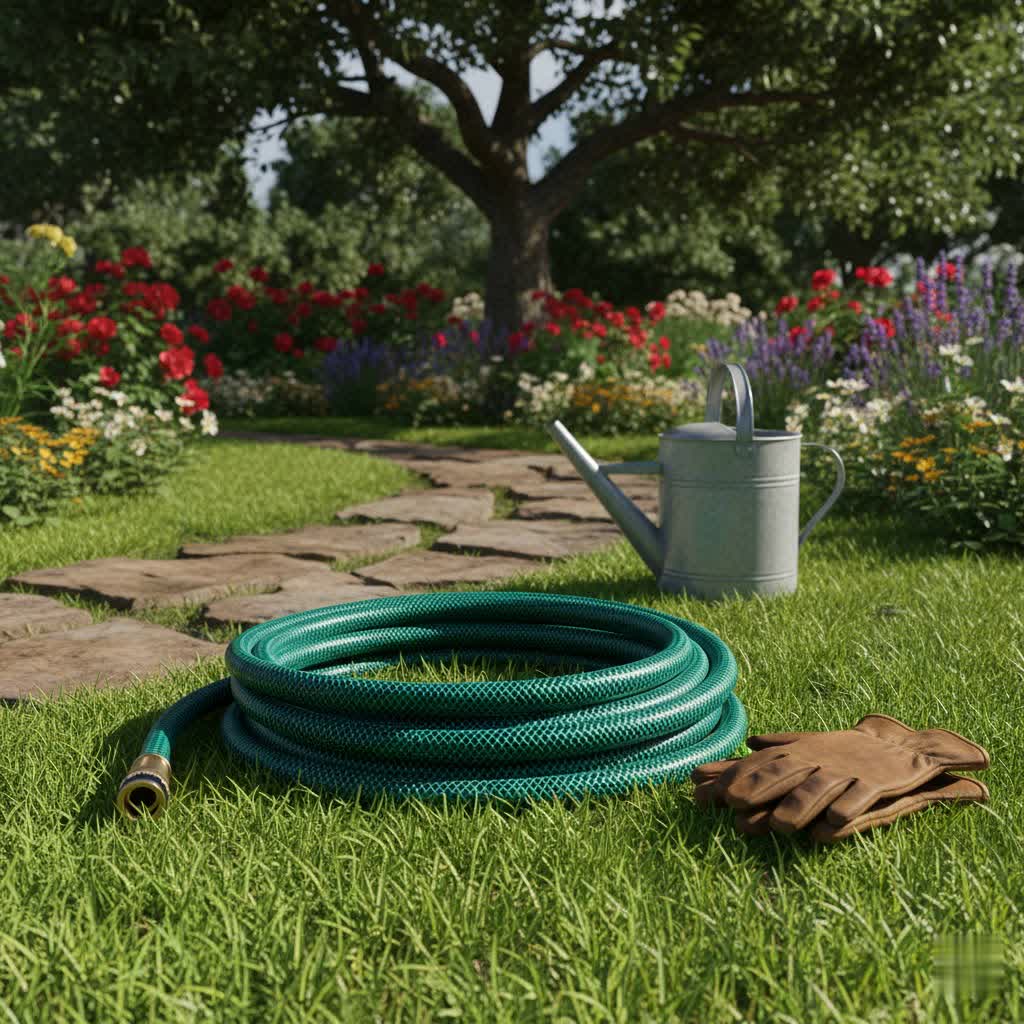
Why a 25-Foot Garden Hose is Often Your Best Bet
Opting for a 25-foot garden hose offers distinct advantages, particularly for those with smaller yards, patios, or specific spot-watering needs. Its compact length makes it significantly lighter and easier to maneuver, eliminating the struggle of dragging excessive hose around tight corners or delicate plantings. This shorter length also translates to less water pressure drop, ensuring a consistent and strong flow for tasks like watering container gardens, filling bird baths, or even washing a small car. Storage becomes a breeze as well, as a 25-foot hose occupies minimal space, whether coiled on a hanger or tucked away in a shed. It’s the smart choice for targeted, efficient, and hassle-free watering.
Exploring Popular 25-Foot Garden Hose Types
The material and design of a garden hose significantly impact its performance, durability, and user experience. For a 25-foot hose, these distinctions are particularly important for balancing weight, flexibility, and longevity in a compact tool.
- Rubber Hoses: Renowned for their exceptional durability and flexibility across various temperatures, rubber hoses are a premium choice. They are highly resistant to kinking, abrasion, and harsh weather conditions, offering a long lifespan. However, they tend to be heavier than other types, which is less pronounced in a 25-foot length, making them a viable option for those prioritizing robustness.
- Vinyl (PVC) Hoses: As the most budget-friendly and lightweight option, vinyl hoses are easy to handle and store. They are suitable for light-duty, infrequent use. The main drawbacks include a higher propensity to kink and a shorter lifespan, as they can become brittle with prolonged sun exposure. Look for reinforced vinyl options, which offer improved kink resistance and durability.
- Polyurethane Hoses: Often considered a superior option, polyurethane hoses strike an excellent balance between lightweight design and impressive durability. They are highly flexible, resistant to kinks, and often boast UV protection, making them ideal for long-term outdoor use. Many polyurethane hoses are also drinking water safe, a significant advantage for pets or potable water needs.
- Hybrid Hoses: These hoses combine the best attributes of different materials, such as rubber and PVC or polyurethane and rubber, to offer a balanced performance. Hybrid hoses typically provide good flexibility, kink resistance, and durability, often at a more moderate price point than pure rubber or polyurethane. They are designed to remain pliable in various temperatures.
- Expandable Hoses: These innovative hoses are incredibly lightweight and compact when empty, expanding up to three times their length when filled with water. Made with a flexible inner core (often latex) and a fabric outer shell, they are easy to store and maneuver. While convenient, their durability can vary, and they may be more susceptible to punctures or bursting if not handled with care.
Here’s a quick comparison to help you weigh your options for a 25-foot garden hose:
| Hose Type | Material | Durability | Price | Kink Resistance | Weight (25 ft) | Key Advantage | Key Disadvantage |
|---|---|---|---|---|---|---|---|
| Rubber | Rubber | High | High | Excellent | Moderate-Heavy | Very durable, flexible, long-lasting | Heavier |
| Vinyl (PVC) | PVC | Low-Medium | Low | Low-Medium | Light | Most affordable, very lightweight | Prone to kinks, shorter life |
| Polyurethane | Polyurethane | High | Moderate | High | Light | Flexible, durable, often drinking safe | Higher cost than vinyl |
| Hybrid | Rubber/Polymer/PVC Blends | Medium-High | Moderate | High | Light-Moderate | Good balance of features | Quality varies by blend |
| Expandable | Latex core/Fabric sheath | Medium | Moderate | Excellent | Very Light | Ultra-compact, easy storage | Can be less durable, prone to punctures |
Essential Features to Look for in a 25-Foot Garden Hose
When selecting your ideal 25-foot garden hose, several features contribute to its overall performance, ease of use, and longevity. Paying attention to these details will ensure you make a smart investment.
Kink Resistance
|
Our Picks for the Best Garden Hose in 2026
We may earn a commission when you use one of our links to make a purchase.
|
||
| Num | Product | Action |
|---|---|---|
| 1 | Nilight RV Water Hose 100FT Garden Drinking Hoses with Storage Bag Leakproof Anti-Kink 5/8" Inner Diameter Flexible Lightweight Freshwater Hose for RVs Campers Travel Trailer Boat Car Wash Accessories |

|
| 2 | Flexi Hose Expandable Garden Hose with 8 Function Nozzle, 50FT - Lightweight Retractable Garden Hose, Water Hose - No-Kink Flexibility, 3/4 Inch Solid Brass Fittings and Double Latex Core |
|
| 3 | Flexi Hose Expandable Garden Hose with 8 Function Nozzle, 100FT - Lightweight Retractable Garden Hose, Water Hose - No-Kink Flexibility, 3/4 Inch Solid Brass Fittings and Double Latex Core |
|
| 4 | Flexzilla Garden Hose 5/8 in. x 25 ft., Lightweight All-Weather Water Hose, Durable and Flexible, Leak-Free Connections |
|
| 5 | Flexzilla Garden Hose 5/8 in. x 50 ft., Lightweight All-Weather Water Hose, Durable and Flexible, Leak-Free Connections |
|
| 6 | Easy to Use Garden Hose 100 FT, Lightweight and Leak-Proof Heavy-Duty Flexible Water Hose 100FT with Reinforced TPE Core, 3/4" Solid Brass Fittings, Ultra-Flow Manguera Para Jardin, Built to Last |
|
| 7 | Flexi Hose Expandable Garden Hose with 8 Function Nozzle, 50FT - Lightweight Retractable Garden Hose, Water Hose - No-Kink Flexibility, 3/4 Inch Solid Brass Fittings and Double Latex Core |
|
| 8 | Amazon Basics - Garden Hose, 100ft |
|
| 9 | Flexzilla Garden Hose 5/8 in. x 100 ft., Lightweight All-Weather Water Hose, Durable and Flexible, Leak-Free Connections |
|
| 10 | YAMATIC 100FT 5/8" Garden Hose, 300 PSI Kink-Resistant Water Hose with 360° Swivel Connector & 3/4" Brass GHT Fittings, Flexible All-Weather Outdoor Hose for Yard, Lawn, Garden & Driveway |
|
A hose that kinks frequently is a source of constant frustration, interrupting water flow and shortening the hose’s lifespan. For a 25-foot hose, which is often maneuvered in tighter spaces, kink resistance is paramount. Look for materials like rubber, polyurethane, or reinforced hybrid designs that naturally resist twisting. Some hoses also feature special constructions, like hexagonal shapes or reinforced sections near the fittings, to minimize kinking. [cite: 1_s2, 2_s2]
Durability and Lifespan
A good quality hose should withstand years of use without cracking, leaking, or becoming brittle. High-quality rubber and polyurethane hoses are known for their long lifespans, enduring extreme temperatures and harsh conditions. [cite: 1_s3, 2_s3] When examining vinyl hoses, prioritize those with multiple plies (layers of reinforcement) as they offer better strength and tear resistance.
Fittings and Couplings
The quality of the fittings, where the hose connects to the spigot or accessories, can make or break your hose experience. Brass fittings are generally superior to plastic, offering greater durability, corrosion resistance, and a more secure, leak-proof connection. [cite: 5_s2] They also resist cross-threading, ensuring easier attachment. Some hoses feature ergonomically shaped plastic couplings or reinforced areas around the fittings to prevent kinking right at the faucet.
Weight and Flexibility
For a 25-foot hose, one of its main appeals is ease of handling. A lightweight and flexible hose is much simpler to coil, uncoil, and carry around your yard. Polyurethane and expandable hoses excel in this area, providing excellent flexibility without significant weight. While rubber hoses are heavier, their inherent flexibility still makes them surprisingly manageable, even for a 25-foot length. [cite: 3_s3, 4_s3]
Hose Diameter
The most common hose diameters are 3/8 inch, 1/2 inch, and 5/8 inch. [cite: 2_s2] For general watering and cleaning tasks with a 25-foot hose, a 5/8-inch diameter typically provides a good balance of water flow and manageable weight. A 3/8-inch hose will deliver less water but is very lightweight, suitable for very light tasks, while a 3/4-inch hose offers maximum flow but is heavier and often unnecessary for shorter lengths.
Drinking Water Safety
If you plan to use your hose to fill pet bowls, children’s pools, or for any potable water use, look for hoses explicitly labeled “drinking water safe.” Standard garden hoses often contain chemicals like lead or phthalates that can leach into the water and are not safe for consumption.
UV Protection
Hoses left exposed to direct sunlight can degrade over time, leading to cracking and brittleness. Many quality hoses, especially those made from polyurethane or reinforced vinyl, come with UV protection to extend their lifespan outdoors.
Choosing the Right 25-Foot Garden Hose for Your Specific Needs
The “best” 25-foot garden hose ultimately depends on how you plan to use it.
- For Small Gardens & Container Plants: A lightweight and flexible polyurethane or expandable hose is excellent. Their ease of maneuverability allows you to navigate around delicate plants without damage and store them easily.
- For Patios & Balconies: Expandable hoses are perfect here due to their compact storage. A good quality hybrid or polyurethane hose also works well for rinsing surfaces and watering pots.
- For Car Washing & Light Cleaning: A durable rubber or hybrid hose with strong, crush-proof brass fittings will withstand the demands of frequent use with nozzles or pressure washers. Kink resistance is a huge plus when moving around a vehicle.
- For RVs & Boating: Specifically designed RV/marine hoses (often 25 feet) are ideal, as they are typically drinking water safe and designed for compact storage and portable use.
Top Brands for Quality Garden Hoses (Often Available in 25-Foot Lengths)
Several brands consistently receive high marks for quality and innovation in the garden hose market. While specific 25-foot models vary, these brands generally offer reliable options:
- Flexzilla: Known for their extreme flexibility and kink resistance, Flexzilla hoses are popular for ease of use.
- Stanley FatMax: Often lauded for durability and robust construction, providing excellent performance for various tasks. [cite: 4_s1]
- Dramm Colorstorm: Offers durable rubber hoses, often in a hexagonal shape for stability, known for handling hot water and standing up to tough use. A 25-foot rubber version is available. [cite: 1_s2]
- Eley: Highly regarded for durable, kink-resistant polyurethane hoses, often considered a premium choice.
- Zero-G: A popular lightweight and flexible option that aims to be durable with crush-proof couplings.
- Giraffe Tools: Offers hybrid hoses that balance flexibility and durability, with features like swivel grips and nickel-plated brass fittings. [cite: 4_s4]
- Joyday: Recognized for budget-friendly expandable hoses that offer good flexibility and kink resistance in shorter lengths like 25 feet. [cite: 4_s4]
Smart Tips for Using and Maintaining Your 25-Foot Garden Hose
Proper care can significantly extend the life of your 25-foot garden hose and ensure it performs optimally for years.
- Coil Neatly After Each Use: Avoid haphazardly tossing your hose. Neatly coiling it, whether by hand or with a hose reel, prevents kinks and tangles that can weaken the hose over time.
- Store Out of Direct Sunlight: UV rays can degrade hose materials, leading to cracking and brittleness. Store your hose in a shaded area, a hose reel with a cover, or inside a shed when not in use. [cite: 2_s3]
- Drain Water Before Storage: Especially in colder climates, draining the water from your hose before storing it prevents freezing, which can cause the hose to crack or burst.
- Check and Tighten Fittings Regularly: Loose connections can lead to leaks and wasted water. Periodically check that fittings are securely tightened to both the spigot and any attachments.
- Avoid Driving Over Hoses: Even durable hoses can be damaged by the weight of vehicles, leading to internal structural damage and eventual leaks.
Common Issues with Garden Hoses and Quick Fixes
Even the best hoses can encounter minor issues. Here are a few common problems and how to address them:
- Persistent Kinking: If your hose still kinks, ensure you’re unwinding it fully before turning on the water and coiling it properly after use. Consider a hose with a higher kink-resistance rating or a different material if the problem persists.
- Leaks at the Connection: Often, a leak at the spigot or nozzle connection is due to a worn-out rubber washer inside the fitting. Replacing these washers is a simple and inexpensive fix. Ensure fittings are tight but don’t overtighten, which can strip threads.
- Reduced Water Pressure: For a 25-foot hose, this is less common but can occur if there’s an obstruction in the hose (check for kinks or debris) or if your water source pressure is low. Check your spigot for any issues.
Conclusion
Choosing the right 25-foot garden hose can improve your outdoor watering and cleaning routines from a chore into a seamless and efficient experience. By understanding the advantages of its compact length and carefully considering factors like material, kink resistance, and fitting quality, you can select a hose that perfectly matches your needs and lasts for many seasons to come. Prioritize durability, ease of use, and a hose that complements your specific tasks, whether it’s nurturing delicate plants or tackling quick cleanup jobs.
What aspect of your new 25-foot garden hose are you most excited to experience in your garden?
Frequently Asked Questions
What is the ideal length for a garden hose?
The ideal length depends on your needs. For small gardens, patios, or specific spot-watering tasks, a 25-foot garden hose is often ideal because it’s lightweight, easy to maneuver, and minimizes storage space without sacrificing water pressure for typical tasks.
Are all 25-foot garden hoses the same in terms of water pressure?
No, water pressure can vary slightly. While length is a primary factor in pressure drop, the internal diameter of the hose also plays a role. A 5/8-inch diameter will typically provide a good flow for most tasks with a 25-foot hose, better than a narrower 3/8-inch hose.
Can I connect two 25-foot hoses if I occasionally need more length?
Yes, you can connect two 25-foot hoses using a hose coupler. However, this can sometimes lead to reduced water pressure and potential leaks if the connections are not tight. It’s generally more efficient to use a single hose of the appropriate length.
What does “drinking water safe” mean for a garden hose?
A “drinking water safe” label indicates that the hose is made from materials free of harmful chemicals like lead, phthalates, or BPA, which can leach into the water. This is crucial if you use the hose for filling pet bowls, children’s pools, or for any human consumption.
How can I prevent my 25-foot garden hose from kinking?
To prevent kinking, choose hoses made from materials like rubber or polyurethane, which are inherently more flexible. Always uncoil the hose completely before turning on the water, and coil it neatly after use. Some hoses feature reinforced areas or unique designs to further reduce kinking.
Get our weekly buyer guide
Practical specs, not advice. Unsubscribe anytime.
