For many garden enthusiasts, the traditional garden hose has long been a source of both utility and frustration. Heavy, prone to kinking, and a constant battle to coil neatly for storage, it often feels more like a chore than a tool. Enter the “shrinking garden hose,” more commonly known as the expandable garden hose—a modern solution promising lightweight convenience and effortless storage. But do these innovative hoses truly deliver on their promises, or do they come with their own set of challenges? This comprehensive guide will examine everything you need to know about shrinking garden hoses, helping you decide if they’re the right fit for your gardening needs.
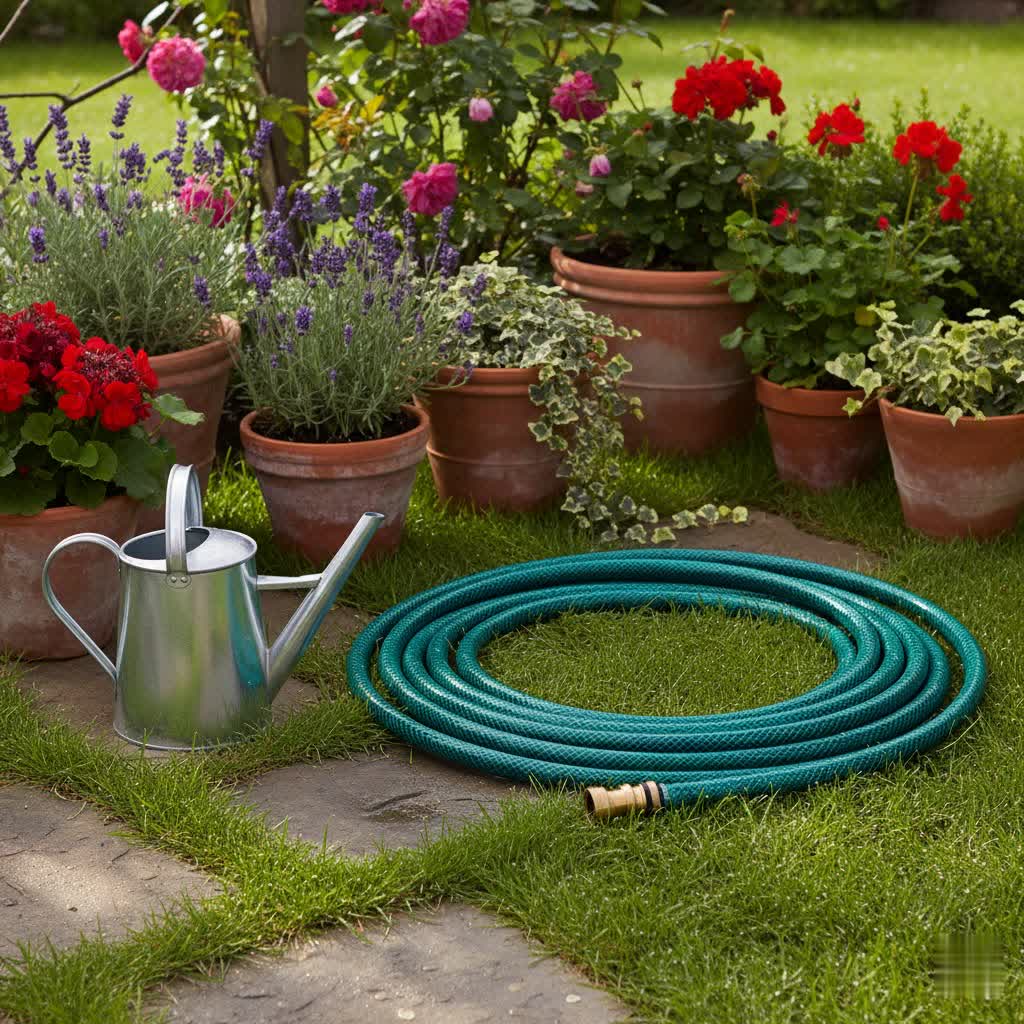
What Exactly is a Shrinking Garden Hose?
A shrinking garden hose is an ingenious watering tool designed for ultimate convenience. Unlike rigid traditional hoses, these innovative hoses dramatically expand in length when filled with water and then automatically contract back to a fraction of their size once the water pressure is released. This unique functionality makes them incredibly compact for storage and remarkably lightweight during use, revolutionizing how many gardeners approach their watering tasks.
These hoses achieve their impressive expansion and contraction through a clever two-layer design. The inner layer is typically made from a highly elastic material like latex or thermoplastic polyurethane (TPU). This core expands under water pressure. Encasing this inner tube is a durable outer fabric, often woven from polyester or nylon, which protects the elastic core and dictates the hose’s maximum expanded length. When water flows in, the inner tube stretches, causing the entire hose to extend. When the water is turned off and the hose is drained, the elastic core recoils, pulling the outer fabric back, and the hose “shrinks” to its original compact size.
The Undeniable Advantages of Expandable Hoses
Expandable garden hoses offer several compelling benefits that make them a popular choice for many homeowners and gardeners. Their design directly addresses some of the most common frustrations associated with traditional hoses, making garden chores a little less strenuous.
Firstly, their lightweight nature is a major upgrade. Carrying a long, heavy rubber hose around a large garden can be exhausting, especially for those with limited strength or mobility. Expandable hoses, even when fully extended, are significantly lighter, making watering a much more manageable task. Secondly, space-saving storage is a major draw. When empty, these hoses coil down into a remarkably small footprint, easily fitting into buckets, small sheds, or on hooks without consuming valuable storage space. This eliminates the unsightly and often tangled piles of traditional hoses.
Expandable hoses are celebrated for being virtually kink-free. The flexible inner core and protective outer shell are designed to prevent the frustrating twists and kinks that plague traditional hoses, ensuring a continuous, uninterrupted flow of water. This not only saves time and effort during watering but also prolongs the life of the hose by preventing weak points caused by constant kinking. Their inherent flexibility also makes them incredibly easy to maneuver around garden beds, pathways, and obstacles, adapting effortlessly to your movements without resistance.
Potential Drawbacks and Common Issues
While shrinking garden hoses offer significant advantages, it’s crucial to be aware of their potential limitations and common complaints to make an informed decision. Durability is often the most cited concern among users. The elastic inner core, especially if made from lower-quality latex, can be more susceptible to punctures, tears, and degradation over time, particularly with prolonged exposure to UV sunlight. Sharp objects, rough surfaces, or even aggressive tugging can easily compromise the integrity of the inner tube. Unlike traditional hoses that can sometimes be patched, a breach in an expandable hose often means it’s time for a replacement.
Another point of contention is water pressure. While functional for general watering, expandable hoses may not deliver the same robust water pressure as larger-diameter traditional hoses. This can be a disadvantage for tasks requiring a strong spray, such as power washing a car or effectively running certain types of sprinklers. Some users report that sprinklers don’t perform optimally with expandable hoses due to reduced flow or pressure. The very nature of their expansion and contraction can sometimes lead to issues. If the water pressure is too low, the hose might not fully expand, while excessively high pressure could potentially strain the materials and lead to premature failure.
Finally, material degradation from UV exposure is a factor to consider. Even hoses with durable outer shells can experience weakening of their internal elastic components if left in direct sunlight for extended periods. Hard water, with its mineral content, can also contribute to internal scaling over time, potentially reducing flow rates or clogging nozzles.
Shrinking Hoses vs. Traditional Hoses: A Detailed Comparison
Deciding between a shrinking (expandable) hose and a traditional garden hose involves weighing various factors. Here’s a comparison to help highlight the key differences:
| Feature | Shrinking (Expandable) Hoses | Traditional Hoses (Rubber/Vinyl) |
|---|---|---|
| Weight | Significantly lighter | Heavier, especially longer lengths |
| Storage | Contracts for compact, easy storage | Requires more space, can be bulky to coil |
| Kinking | Generally kink-free | Prone to kinking and twisting |
| Durability | Moderate; susceptible to punctures/UV degradation | High; very robust and long-lasting |
| Water Pressure | May deliver slightly less pressure | Consistent, often higher pressure |
| Repairability | Often requires replacement if damaged | Can often be patched or repaired |
| Best Use | Small gardens, patios, light watering, portability | Large yards, heavy-duty tasks, high-pressure needs |
| Cost | Varies, can be comparable or higher for quality models | Varies widely by material and quality |
How to Choose the Right Shrinking Garden Hose
Selecting the perfect shrinking garden hose depends on understanding your specific needs and prioritizing certain features. Consider the following factors:
First, assess your gardening needs. For a small balcony or patio with a few potted plants, a shorter, lightweight expandable hose is ideal. If you have a larger garden but primarily perform light watering, a longer expandable hose can still offer convenience. However, for heavy-duty cleaning, consistently high-pressure tasks, or watering a vast landscape, a traditional hose might be more reliable.
Next, examine the materials. Look for hoses with high-quality inner tubes, such as double or triple-layer latex or durable TPU, as these offer better resilience and lifespan. The outer fabric should be robust, tightly woven polyester or nylon to resist abrasion and protect the inner core. Also, pay attention to the connectors and fittings. Brass fittings are generally superior to plastic, offering better durability and leak resistance.
Consider the length and diameter. While expandable hoses come in various lengths (e.g., 25 ft, 50 ft, 75 ft, 100 ft), that a longer hose might experience a slight pressure drop. For diameter, while less varied than traditional hoses, a slightly wider internal diameter can help maintain better flow. Finally, while specific brands for expandable hoses might not be as universally recognized as traditional ones, researching user reviews for specific models can provide valuable insights into their real-world performance and longevity.
Essential Tips for Using and Maintaining Your Expandable Hose
Proper usage and maintenance can significantly extend the life of your shrinking garden hose and ensure it continues to perform optimally. Following a few simple guidelines can help you avoid common issues and maximize your investment.
Always turn on the water gradually when first using the hose. This allows the hose to expand smoothly and prevents undue stress on the materials. Similarly, after use, drain the hose completely before coiling it for storage. This not only allows it to fully shrink but also prevents water from freezing inside the hose during colder months, which can cause irreparable damage.
Protecting your hose from environmental stressors is crucial. Avoid prolonged exposure to direct sunlight when not in use. UV rays can degrade the elastic inner tube over time, shortening its lifespan. Store the hose in a shaded area, a hose bag, or a designated storage container. Also, be mindful of sharp objects and rough surfaces. Dragging the hose across sharp stones, thorns, or concrete edges can easily puncture the outer fabric and inner tube. Try to lift the hose over obstacles rather than dragging it.
When using nozzles or sprayers, ensure they are securely attached but avoid overtightening, which can damage the connectors. Use the recommended water pressure; excessive pressure can strain the hose, while too little pressure may prevent full expansion. Regularly inspect your hose for any signs of wear, especially around the connectors and any areas that might have experienced abrasion.
Troubleshooting Common Expandable Hose Problems
Even with the best care, you might encounter occasional issues with your shrinking garden hose. Knowing how to troubleshoot these problems can save you time and potentially prolong the hose’s life.
If your hose is leaking, the most common culprits are damaged connectors or a small tear in the inner tube. First, check the connections to your faucet and nozzle, ensuring they are tight and have intact washers. If the leak persists along the hose body, inspect it closely for visible damage. Unfortunately, severe leaks in expandable hoses often necessitate replacement, as internal tube repairs are difficult and rarely restore full functionality.
Experiencing low water pressure can be frustrating. Ensure your main water supply is fully open and that there are no kinks or obstructions in the hose (though less common with expandable types). Sometimes, a partially clogged nozzle or sprayer can restrict water flow; try cleaning or replacing it. If the issue persists, the internal diameter of the expandable hose might simply be smaller than what’s needed for high-pressure tasks.
If your hose isn’t shrinking or expanding properly, check the water pressure. Insufficient pressure will prevent full expansion, while remaining pressure in the hose will prevent it from shrinking. Make sure the water is completely turned off at the faucet and any residual water in the hose is drained by activating the nozzle until no more water comes out. Over time, material fatigue or degradation can also affect the hose’s ability to fully expand or contract.
Conclusion
Shrinking garden hoses, or expandable hoses, represent a significant advancement in garden watering technology, offering unparalleled convenience, lightweight portability, and compact storage. They are an excellent choice for individuals with small to medium-sized gardens, patios, or anyone seeking to minimize the physical effort and storage challenges associated with traditional hoses. Their kink-free design and ease of maneuverability make watering a far more enjoyable task.
However, it’s essential to approach their selection with realistic expectations regarding durability and water pressure capabilities. While less robust than heavy-duty rubber hoses, a high-quality expandable hose, coupled with mindful usage and proper care, can provide years of reliable service. By considering your specific needs, evaluating material quality, and adhering to simple maintenance practices, you can confidently choose the shrinking garden hose that best suits your lifestyle and transforms your gardening experience.
Frequently Asked Questions
Are shrinking garden hoses truly kink-free?
|
Our Picks for the Best Garden Hose in 2026
We may earn a commission when you use one of our links to make a purchase.
|
||
| Num | Product | Action |
|---|---|---|
| 1 | YAMATIC 100FT 5/8" Garden Hose, 300 PSI Kink-Resistant Water Hose with 360° Swivel Connector & 3/4" Brass GHT Fittings, Flexible All-Weather Outdoor Hose for Yard, Lawn, Garden & Driveway |

|
| 2 | Flexi Hose Expandable Garden Hose with 8 Function Nozzle, 100FT - Lightweight Retractable Garden Hose, Water Hose - No-Kink Flexibility, 3/4 Inch Solid Brass Fittings and Double Latex Core |
|
| 3 | Flexi Hose Expandable Garden Hose with 8 Function Nozzle, 50FT - Lightweight Retractable Garden Hose, Water Hose - No-Kink Flexibility, 3/4 Inch Solid Brass Fittings and Double Latex Core |
|
| 4 | Flexi Hose Expandable Garden Hose with 8 Function Nozzle, 50FT - Lightweight Retractable Garden Hose, Water Hose - No-Kink Flexibility, 3/4 Inch Solid Brass Fittings and Double Latex Core |
|
| 5 | Nilight RV Water Hose 100FT Garden Drinking Hoses with Storage Bag Leakproof Anti-Kink 5/8" Inner Diameter Flexible Lightweight Freshwater Hose for RVs Campers Travel Trailer Boat Car Wash Accessories |
|
| 6 | Amazon Basics - Garden Hose, 100ft |
|
| 7 | Easy to Use Garden Hose 100 FT, Lightweight and Leak-Proof Heavy-Duty Flexible Water Hose 100FT with Reinforced TPE Core, 3/4" Solid Brass Fittings, Ultra-Flow Manguera Para Jardin, Built to Last |
|
| 8 | Flexzilla Garden Hose 5/8 in. x 50 ft., Lightweight All-Weather Water Hose, Durable and Flexible, Leak-Free Connections |
|
| 9 | Flexzilla Garden Hose 5/8 in. x 100 ft., Lightweight All-Weather Water Hose, Durable and Flexible, Leak-Free Connections |
|
| 10 | Flexzilla Garden Hose 5/8 in. x 25 ft., Lightweight All-Weather Water Hose, Durable and Flexible, Leak-Free Connections |
|
Yes, most shrinking garden hoses are designed to be largely kink-free due to their flexible, expanding inner core and woven outer shell, which prevent the hose from twisting and knotting during use.
How long do expandable garden hoses typically last?
The lifespan of an expandable garden hose varies widely depending on material quality, frequency of use, and proper care, ranging from one to five years. Higher quality materials and careful storage away from direct sunlight tend to increase their longevity.
Can I use a shrinking garden hose with a sprinkler?
While you can attach a sprinkler to a shrinking garden hose, they may not always provide optimal performance. The internal diameter and pressure output of expandable hoses can sometimes result in lower water pressure, which might not be sufficient for all types of sprinklers to operate effectively.
What’s the best way to store a shrinking garden hose?
The best way to store a shrinking garden hose is to ensure it’s completely drained of water and then coil it loosely. Store it in a cool, dry place away from direct sunlight, such as a shed, garage, or in a dedicated hose bag or container, to protect the materials from UV degradation and freezing temperatures.
Do shrinking hoses work with low water pressure?
Shrinking hoses require a certain level of water pressure to fully expand. If your household water pressure is particularly low (e.g., below 40 PSI), the hose may not expand to its advertised length, which can affect its functionality and reach.
Get our weekly buyer guide
Practical specs, not advice. Unsubscribe anytime.
