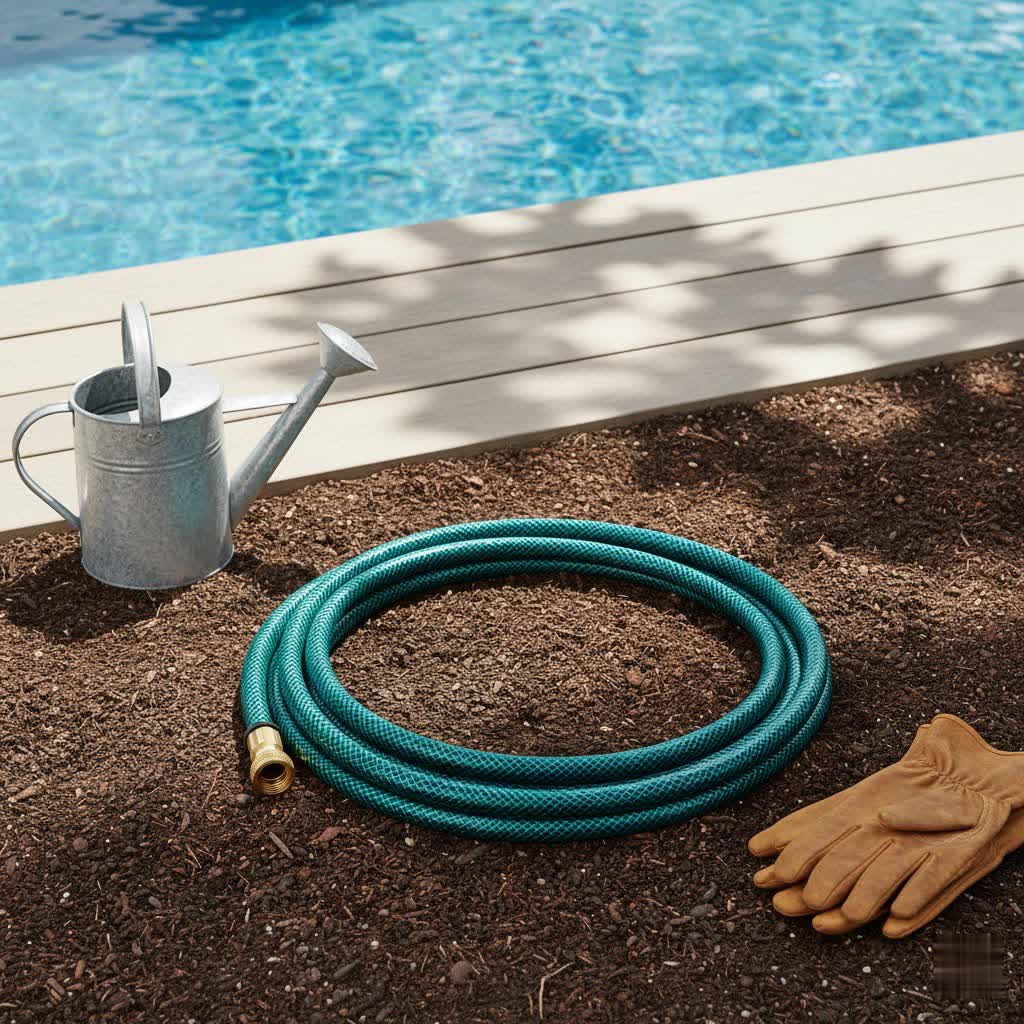
Choosing the best standard garden hose involves evaluating material, diameter, length, and PSI rating to match specific gardening needs. For example, a 5/8-inch diameter rubber hose is a versatile choice for general home use, offering a balance of water flow and durability. Understanding these factors ensures you select a hose that provides reliable service and efficient water usage for tasks from plant care to car washing.
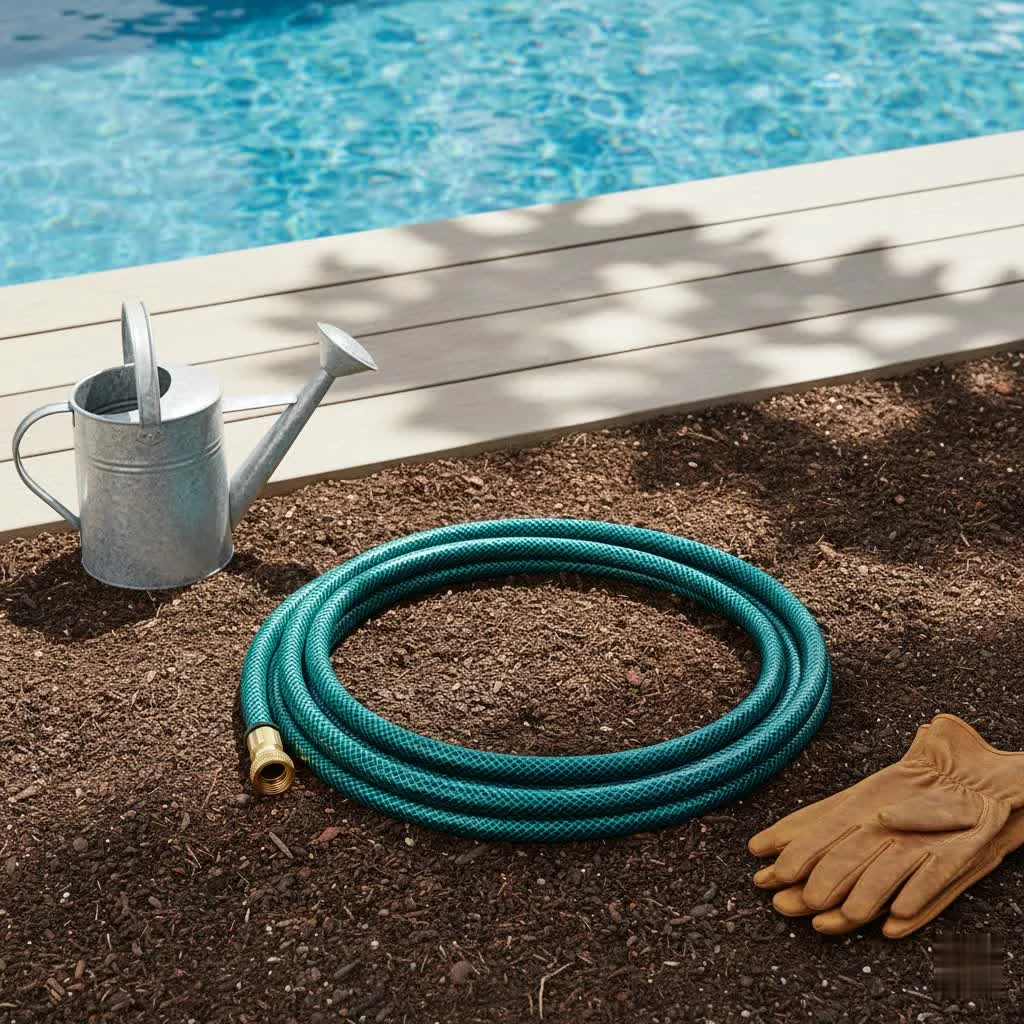
Popular Types of Garden Hoses
Understanding the different types of garden hoses available is the first step in making an informed choice. Each type offers distinct advantages and disadvantages, primarily based on its construction material and design. For complete garden hose library on this site.
-
Rubber Hoses: Often considered the gold standard for durability, rubber hoses are known for their robust construction and resistance to kinking, cracking, and extreme temperatures. They are highly flexible and can withstand heavy use, making them ideal for demanding tasks and all-weather conditions. However, their significant weight and higher price point can be a drawback for some users.
-
PVC (Vinyl) Hoses: Polyvinyl chloride, or vinyl, hoses are a more budget-friendly and lightweight alternative. They are typically reinforced with a mesh of nylon or polyester cording to enhance their strength. While easier to maneuver and store due to their lighter nature, PVC hoses are more prone to kinking, can become stiff in colder weather, and generally have a shorter lifespan compared to rubber hoses.
-
Expandable Hoses: These innovative hoses dramatically expand in length when filled with water and contract to a compact size when empty, offering excellent space-saving benefits. They are incredibly lightweight and easy to store, making them a convenient option for small spaces or light-duty tasks. However, expandable hoses are generally less durable, can be susceptible to punctures or tears, and may experience reduced water pressure due to their design.
-
Flat Hoses: Resembling a fireman’s hose, flat hoses lie completely flat when not in use, making them highly efficient for storage and draining. They are lightweight and ideal for straight-line watering, particularly where space is at a premium. The primary downsides are their tendency to kink, especially around corners, and the necessity to unroll the entire hose before water can flow freely. They often share the durability limitations of vinyl.
-
Drip Hoses (Soaker Hoses): Designed for water conservation, drip hoses release water slowly and directly into the soil, minimizing evaporation and ensuring deep root saturation. They are excellent for established garden beds and can be buried under mulch. However, they are not suitable for general watering tasks requiring a spray and can be prone to clogging if not maintained.
Comparing Popular Garden Hose Types
To help you visualize the differences, here’s a detailed comparison of common garden hose types:
| Hose Type | Material | Durability | Price | Key Advantages | Key Disadvantages |
|---|---|---|---|---|---|
| Rubber | Rubber | High | High | Excellent flexibility, highly durable, kink-resistant, good in all temperatures | Heavy, more expensive, can scuff surfaces |
| PVC (Vinyl) | PVC (Vinyl) | Medium | Low | Lightweight, affordable, easy to maneuver, wide color selection | Prone to kinking, stiff in cold, shorter lifespan, can become rigid in sun |
| Expandable | Latex/TPC core with fabric sheath | Low | Medium | Extremely lightweight, compact storage, expands significantly when in use | Less durable, easily torn/punctured, inconsistent water pressure |
| Flat | Vinyl (often) | Low to Medium | Low to Medium | Lightweight, drains well, easy to store, space-saving | Prone to kinking (especially around corners), must be fully unrolled, shorter lifespan |
| Drip (Soaker) | Recycled rubber/Porous polyethylene | Medium | Medium | Water-efficient, delivers water directly to roots, prevents evaporation | Not for general watering, can clog, low pressure, needs specific setup |
How to Choose the Right Garden Hose
Selecting the best garden hose involves evaluating several factors to match your specific needs and environment.
- Determine Your Usage Needs: Consider how frequently you’ll use the hose and for what purposes. For daily, heavy-duty tasks like pressure washing or extensive garden watering, a durable rubber or hybrid hose is ideal. For occasional light watering of pots, a lightweight PVC or expandable hose might suffice.
- Select the Appropriate Material: As detailed above, rubber offers the best durability and performance, while PVC provides affordability and lightness. Expandable and flat hoses are excellent for compact storage but come with trade-offs in durability and pressure consistency.
- Choose the Correct Diameter: The hose’s diameter influences water flow. Common diameters are 1/2-inch, 5/8-inch, and 3/4-inch.
- 1/2-inch: Best for light-duty tasks and smaller areas, offering less water volume.
- 5/8-inch: The most common and versatile choice for general home use, balancing water flow and manageability.
- 3/4-inch: Provides maximum water flow, suitable for large gardens, sprinklers, or pressure washing where high volume is needed, but is heavier.
- Consider Hose Length: Hoses typically come in lengths from 25 to 100 feet. Measure the furthest distance from your water source to the areas you need to reach, then add a little extra slack to prevent stretching and damage. Longer hoses can result in a drop in water pressure and are heavier to manage and store. If you only occasionally need a long hose, consider connecting two shorter hoses.
- Check PSI Rating: PSI (Pounds per Square Inch) indicates the water pressure a hose can safely handle. While typical residential water pressure is around 45-80 PSI, a hose with a higher PSI rating (e.g., 350-600 PSI) signifies greater durability and burst resistance.
- Examine Couplings and Fittings: The fittings, or couplings, connect the hose to the spigot and accessories. Brass fittings are generally more durable and corrosion-resistant than plastic. Look for sturdy, reinforced connections to prevent kinking at the faucet and ensure a leak-free seal.
- Prioritize Kink Resistance: Kinking is a common frustration. Hoses with multiple layers (plies) and reinforcement (like nylon mesh) tend to be more kink-resistant. Rubber hoses inherently resist kinking better than most vinyl options.
Top Garden Hose Brands
Several brands are renowned for producing high-quality garden hoses that stand the test of time. While specific recommendations may vary, brands like Gardena, Claber, and Cellfast are consistently praised for their innovation, durability, and performance, offering a range of options for different needs.
Tips for Using and Maintaining Your Garden Hose
Proper care can significantly extend the life of your garden hose and prevent common issues.
- Drain After Use: Always drain the water from your hose after each use, especially before coiling it. This prevents stagnant water buildup and reduces stress on the hose material.
- Store Properly: Coil your hose neatly on a hose reel, hanger, or in a storage container. Avoid leaving it in tangled heaps, which can lead to kinks and damage.
- Protect from Sun and Extreme Temperatures: Prolonged exposure to direct sunlight can degrade hose materials, causing them to crack and become brittle. Store your hose in a shaded area or indoors during harsh summer heat and freezing winter temperatures.
- Avoid Kinks: When using the hose, try to prevent kinks, as these create weak points that can lead to leaks and ruptures over time. Uncoil the hose completely before turning on the water.
- Use Correct Water Pressure: Operate your hose within its recommended pressure limits. Excessive pressure can strain the hose and its fittings.
- Clean Regularly: Periodically clean the nozzle and hose interior to remove mineral buildup or debris that can obstruct water flow.
Common Garden Hose Problems and Solutions
Even with proper care, garden hoses can encounter issues. Here’s how to troubleshoot them:
- Hose Leaks: Leaks often occur at the fittings or due to small punctures.
- Solution: For leaks at connections, tighten the fittings or replace worn-out washers. For punctures, repair kits are available, or you may need to replace the damaged section of the hose.
- Kinking: A common annoyance, especially with lighter-duty hoses.
- Solution: Invest in a higher-quality, kink-resistant hose, or try fully uncoiling your hose before use. Hose reels can also help manage kinks.
- Low Water Pressure: Can be caused by various factors.
- Solution: Check for kinks or obstructions in the hose. Ensure your spigot is fully open. If using a long hose, consider a shorter one or one with a larger diameter.
- Hose Tangles: Often happens with expandable or lighter hoses not stored correctly.
- Solution: Always coil your hose properly after use. Consider a hose reel or a coiled hose that retracts automatically.
Conclusion
Choosing the right standard garden hose is a small investment that yields significant returns in convenience and efficiency for your gardening and outdoor chores. By carefully considering the material, length, diameter, and specific needs of your garden, you can select a durable and reliable hose that makes watering and cleaning a breeze. A well-chosen hose not only simplifies your tasks but also contributes to efficient water usage and the overall health of your garden.
What kind of watering tasks do you find yourself doing most often, and how might a specific hose type better support those activities?
Frequently Asked Questions
What is the ideal length for a garden hose?
|
Our Picks for the Best Garden Hose in 2026
We may earn a commission when you use one of our links to make a purchase.
|
||
| Num | Product | Action |
|---|---|---|
| 1 | Flexzilla Garden Hose 5/8 in. x 50 ft., Lightweight All-Weather Water Hose, Durable and Flexible, Leak-Free Connections |

|
| 2 | Flexzilla Garden Hose 5/8 in. x 100 ft., Lightweight All-Weather Water Hose, Durable and Flexible, Leak-Free Connections |
|
| 3 | Nilight RV Water Hose 100FT Garden Drinking Hoses with Storage Bag Leakproof Anti-Kink 5/8" Inner Diameter Flexible Lightweight Freshwater Hose for RVs Campers Travel Trailer Boat Car Wash Accessories |
|
| 4 | Amazon Basics - Garden Hose, 100ft |
|
| 5 | Easy to Use Garden Hose 100 FT, Lightweight and Leak-Proof Heavy-Duty Flexible Water Hose 100FT with Reinforced TPE Core, 3/4" Solid Brass Fittings, Ultra-Flow Manguera Para Jardin, Built to Last |
|
| 6 | Flexi Hose Expandable Garden Hose with 8 Function Nozzle, 100FT - Lightweight Retractable Garden Hose, Water Hose - No-Kink Flexibility, 3/4 Inch Solid Brass Fittings and Double Latex Core |
|
| 7 | Flexi Hose Expandable Garden Hose with 8 Function Nozzle, 50FT - Lightweight Retractable Garden Hose, Water Hose - No-Kink Flexibility, 3/4 Inch Solid Brass Fittings and Double Latex Core |
|
| 8 | Flexi Hose Expandable Garden Hose with 8 Function Nozzle, 50FT - Lightweight Retractable Garden Hose, Water Hose - No-Kink Flexibility, 3/4 Inch Solid Brass Fittings and Double Latex Core |
|
| 9 | Flexzilla Garden Hose 5/8 in. x 25 ft., Lightweight All-Weather Water Hose, Durable and Flexible, Leak-Free Connections |
|
| 10 | YAMATIC 100FT 5/8" Garden Hose, 300 PSI Kink-Resistant Water Hose with 360° Swivel Connector & 3/4" Brass GHT Fittings, Flexible All-Weather Outdoor Hose for Yard, Lawn, Garden & Driveway |
|
The ideal length depends on your garden’s size and the furthest distance you need to reach from your water source. Measure that distance and add about 10-15 feet for slack. Hoses typically come in 25, 50, 75, and 100-foot lengths. Choosing a hose that is too long can lead to reduced water pressure and make storage more cumbersome.
How do I prevent my garden hose from kinking?
To prevent kinking, opt for hoses made of high-quality rubber or hybrid materials, which are naturally more flexible and less prone to kinking. Always unroll your hose completely before turning on the water, and coil it neatly after use using a hose reel or hanger.
Are expandable hoses worth it?
Expandable hoses offer excellent portability and storage convenience due to their lightweight and compact design. They are generally best for light-duty tasks and smaller areas. However, their durability is often lower than traditional rubber hoses, and they can sometimes lead to inconsistent water pressure, making them a trade-off between convenience and longevity.
Frequently Asked Questions
What are the main types of garden hoses available?
There are five main types of garden hoses: rubber, PVC (vinyl), expandable, flat, and drip (soaker) hoses. Each type offers distinct advantages based on material and design, such as rubber for durability and PVC for affordability.
Which garden hose material is the most durable?
Rubber hoses are generally considered the most durable material for garden hoses. They are highly resistant to kinking, cracking, and extreme temperatures, making them suitable for heavy use and all-weather conditions.
How does hose diameter affect water flow and usage?
Hose diameter directly influences water flow. A 1/2-inch hose is for light tasks, a 5/8-inch hose is the most common for general use, and a 3/4-inch hose provides maximum water flow for large areas or pressure washing.
What is the ideal length for a garden hose?
The ideal length depends on your garden's size and the furthest distance you need to reach from your water source. Measure that distance and add about 10-15 feet for slack. Hoses typically come in 25, 50, 75, and 100-foot lengths. Choosing a hose that is too long can lead to reduced water pressure and make storage more cumbersome.
How do I prevent my garden hose from kinking?
To prevent kinking, opt for hoses made of high-quality rubber or hybrid materials, which are naturally more flexible and less prone to kinking. Always unroll your hose completely before turning on the water, and coil it neatly after use using a hose reel or hanger.
Are expandable hoses worth it?
Expandable hoses offer excellent portability and storage convenience due to their lightweight and compact design. They are generally best for light-duty tasks and smaller areas. However, their durability is often lower than traditional rubber hoses, and they can sometimes lead to inconsistent water pressure, making them a trade-off between convenience and longevity.
How to Choose the Right Garden Hose
Selecting the best garden hose involves evaluating several factors to match your specific needs and environment for optimal performance and longevity.
Consider how frequently you'll use the hose and for what purposes. For daily, heavy-duty tasks like pressure washing, a durable rubber hose is ideal, while occasional light watering might suit a lightweight PVC hose.
Choose a hose material based on durability and flexibility. Rubber offers the best performance and kink resistance, while PVC is more affordable but prone to kinking. Expandable hoses are lightweight but less durable.
The most common and versatile diameter is 5/8-inch for general home use. Measure the furthest distance from your water source and add 10-15 feet for slack to determine the appropriate length, typically 25 to 100 feet.
Look for a hose with a higher PSI rating (e.g., 350-600 PSI) for greater durability and burst resistance. Opt for brass fittings over plastic for better corrosion resistance and a leak-free seal.
To avoid frustration, choose hoses with multiple layers and reinforcement, as these tend to be more kink-resistant. Rubber hoses inherently resist kinking better than most vinyl options.
Get our weekly buyer guide
Practical specs, not advice. Unsubscribe anytime.

I was hoping a vinyl hose would be a good budget option for my small patio, but I’m already seeing some minor kinks after just a few weeks. It’s fine for light watering of my potted plants, but I wish I’d splurged a little more for something with better kink resistance. Next time I’ll probably go for a reinforced vinyl or even a light duty rubber hose.
I’ve been using a lightweight expandable hose for a while, but it just wasn’t cutting it for car washing. The info here about PSI ratings really helped me understand why. I switched to a hybrid hose and it’s been a game changer for pressure and durability. It’s a bit heavier than I’m used to, but the performance makes up for it.
My old hose used to crack in the sun all the time, but the rubber hose I got based on the recommendations here has been fantastic. It’s been through a hot summer already and shows no signs of wear. The flexibility is great too, making it easy to maneuver around my larger garden. I appreciate the detailed breakdown of materials.
I finally replaced my old, leaky hose with a new 5/8-inch rubber hose after reading about them here. What a difference! The water flow is so much better for my garden beds, and it feels incredibly sturdy. I don’t have to worry about it kinking up every time I move it around the yard. Definitely worth the investment for anyone serious about their gardening.